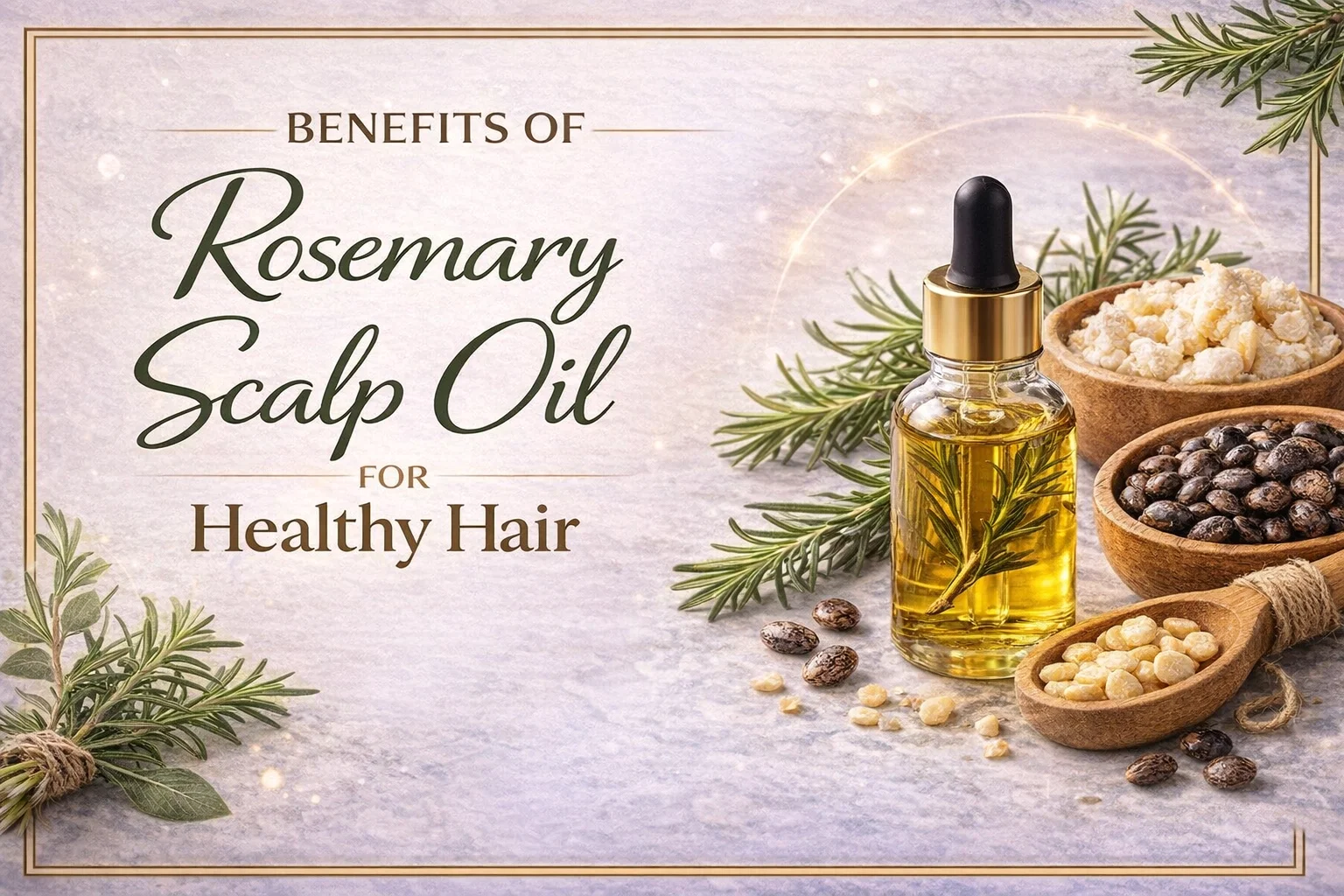
DIY Rosemary Scalp Oil Recipe for Hair Growth Scalp Health Stimulating Botanical Oil
Have you ever looked at your hair and felt like it needed a serious wake-up call? We have all been there. Between heat styling, environmental stressors, and the general busyness of life, our scalp often takes a backseat in our beauty routines. But here is the secret that professional stylists and herbalists have known for centuries: healthy hair starts at the root. Literally. If you want luscious, vibrant locks, you have to feed your scalp the nutrients it craves. That is where the magic of a Stimulating Botanical Hair Oil comes into play. Today, we are diving deep into a simple, effective, and completely natural Rosemary Scalp Oil recipe that you can whip up in your own kitchen.
The Science of Scalp Health: Why Rosemary is a Game Changer
You might recognize rosemary as a fragrant herb in your spice rack, but in the world of holistic hair care, it is a powerhouse ingredient. Rosemary essential oil is celebrated for its ability to improve cellular generation. When applied to the scalp, it acts as a natural vasodilator, which means it helps to expand blood vessels and improve circulation. Better blood flow means more oxygen and nutrients are reaching your hair follicles, creating the perfect environment for growth.
Recent studies have even compared the effectiveness of rosemary oil to over-the-counter hair growth treatments, finding that it can produce similar results without the harsh chemical side effects or scalp irritation. It is also naturally antimicrobial and anti-inflammatory, making it a go-to solution for those struggling with dryness, itchiness, or dandruff. By incorporating this botanical oil into your routine, you are not just masking hair issues; you are addressing them at the source.
Breaking Down the Formula: Why These Ingredients Work
When crafting a DIY beauty product, the quality of your carrier oils is just as important as the essential oils themselves. This formula is carefully balanced to provide deep nourishment without leaving your hair feeling like a greasy mess. Let us take a closer look at what makes this specific blend so effective.
Jojoba Oil: The Ultimate Mimic
The base of our recipe is Jojoba oil, and for good reason. Technically, jojoba is not an oil but a liquid wax ester. Its molecular structure is strikingly similar to sebum, the natural oil produced by your skin. This allows jojoba oil to penetrate deep into the scalp without clogging pores. it helps to balance oil production, making it suitable for both oily and dry hair types. In this recipe, we use 70 grams of jojoba to ensure a lightweight, breathable finish.
Castor Oil: The Strength Builder
Next, we add 25 grams of Castor oil. If jojoba is the hydrator, castor oil is the fortifier. It is rich in ricinoleic acid, a type of fatty acid that has been shown to fight inflammation. It is much thicker than jojoba, which is why we blend them together. Castor oil provides that “slip” that is perfect for a scalp massage and helps to coat the hair shaft, reducing the likelihood of breakage and split ends.
Vitamin E: The Protective Antioxidant
We include a small but mighty 0.5 grams of Vitamin E (tocopherol). This ingredient serves two purposes. First, it is incredible for the skin, helping to reduce oxidative stress on the scalp. Second, it acts as a natural stabilizer for the other oils, helping to prevent them from going rancid. It adds a layer of protection that keeps your DIY creation fresh and effective for longer.
How to Make Your Rosemary Scalp Oil at Home
Creating your own professional-grade hair oil is surprisingly simple. You do not need a laboratory; just a few basic tools and a bit of patience. Following a weight-based formula ensures that every batch you make is consistent and safe for your skin.
Step 1: Preparation is Key
Before you start, make sure all your equipment is clean and completely dry. Water is the enemy of oil-based products as it can introduce bacteria. Use a digital scale to measure your ingredients precisely. Start by taring your bowl and adding 70 grams of Jojoba oil and 25 grams of Castor oil.
Step 2: The Essential Blend
Carefully add 1 gram of Rosemary essential oil. This is roughly equivalent to 20 drops. It is important to stick to this ratio; essential oils are highly concentrated and should always be diluted in carrier oils to avoid sensitization or irritation. Finally, add your 0.5 grams of Vitamin E.
Step 3: Mixing and Bottling
Stir the mixture gently with a glass rod or a clean spoon until the oils are fully blended. You will notice the consistency becomes uniform. Transfer the final product into a glass dropper bottle or a pump bottle. Glass is preferred over plastic, especially when working with essential oils, as it preserves the integrity of the botanical compounds.
Step 4: Proper Storage
Store your bottle in a cool, dark place away from direct sunlight. Sunlight can break down the essential oils and reduce the potency of the treatment. A bathroom cabinet or a bedroom dresser is usually a perfect spot.
Mastering the Scalp Massage Technique
Applying the oil is only half the battle. To truly see the benefits of this stimulating formula, you need to master the art of the scalp massage. This physical action works in tandem with the rosemary oil to maximize blood flow and ensure the nutrients are absorbed effectively.
Start by parting your hair into sections. Using the dropper, apply a small amount of oil directly to the scalp along the parts. You do not need to soak your entire head; a little goes a long way. Use the pads of your fingers, not your nails, to apply gentle but firm pressure in circular motions. Start from the front of your hairline and work your way back toward the nape of your neck.
This process should take about 5 to 10 minutes. Not only does this help the oil penetrate, but it is also an incredible way to relieve tension and stress. Many people find that a nightly scalp massage helps them unwind after a long day. If you have specific areas of concern, such as thinning at the temples, spend an extra minute or two focusing on those spots.
Integrating the Treatment into Your Weekly Routine
Consistency is the secret ingredient to any beauty transformation. You likely won’t see dramatic changes overnight, but with regular use, the results will begin to show. For the best outcome, aim to use your Rosemary Scalp Oil 2 to 3 times per week.
You have two main options for how to use this treatment:
- The Pre-Wash Treatment: Apply the oil and leave it on for 30 to 60 minutes before your regular shower. This gives the oils enough time to work their magic without leaving your hair greasy for the day.
- The Overnight Mask: If your scalp is feeling particularly dry or neglected, you can leave the oil in overnight. Just be sure to cover your hair with a silk bonnet or use an old pillowcase to protect your linens.
When it is time to rinse, you may find that you need to shampoo twice to fully remove the castor oil. Focus the shampoo on your roots, and follow up with your favorite conditioner on the mid-lengths and ends. Your hair should feel soft, manageable, and exceptionally clean.
The Benefits Beyond Growth
While most people turn to rosemary oil for growth, the benefits extend far beyond just length. Regular scalp treatments can significantly improve the texture and “manageability” of your hair. By nourishing the scalp, you are reducing the occurrence of flakiness and irritation that can lead to dull-looking hair.
Furthermore, the aromatherapy benefits of rosemary should not be underestimated. Rosemary is known in the world of essential oils for its ability to improve focus and mental clarity. As you massage the oil into your scalp, the steam from your shower or the warmth of your skin releases the herbal scent, providing a refreshing mental boost. It turns a basic grooming task into a luxurious spa-like experience.
A Sustainable and Cost-Effective Beauty Choice
One of the best things about making your own hair oil is knowing exactly what is in the bottle. Many commercial hair oils are filled with synthetic silicones, artificial fragrances, and preservatives that can actually build up on your hair over time, making it look heavy and lifeless. By choosing a DIY route, you are opting for a clean, vegan, and cruelty-free alternative.
It is also much friendlier on your wallet. While the initial investment in a few high-quality oils might seem higher than a drugstore bottle, those ingredients will last for dozens of batches. You are getting a premium, high-concentration product for a fraction of the price of luxury “botanical” brands.
Conclusion: Your Journey to Healthier Hair
Taking control of your hair care through natural, DIY solutions is an empowering step toward holistic wellness. This Rosemary Scalp Oil is more than just a recipe; it is an invitation to slow down and care for yourself in a way that is both effective and intentional. By combining the circulatory boost of rosemary with the deep nourishment of jojoba and castor oils, you are giving your hair the best possible foundation to thrive.
Whether you are looking to address thinning hair, soothe a dry scalp, or simply want to add a bit of shine to your locks, this formula is a versatile and powerful tool. Give it a try, be patient with the process, and enjoy the journey to the healthy, beautiful hair you deserve. Your scalp will thank you!
Would you like me to help you create a custom label design or a shopping list for these ingredients?