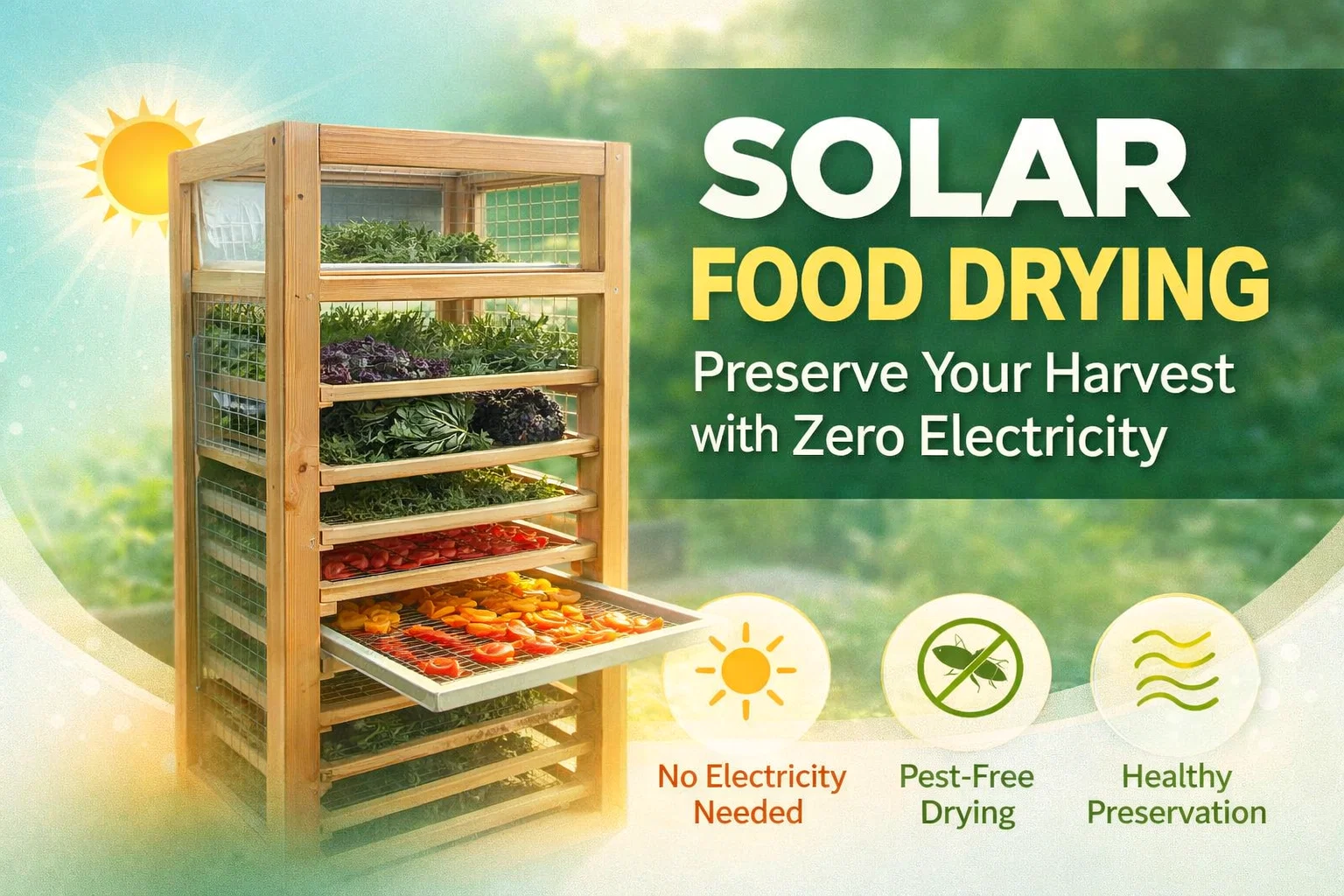
DIY Solar Food Dehydrator Cabinet for Preserving Herbs and Vegetables Garden Harvest Ideas
Capturing the fleeting abundance of a summer garden is one of the most rewarding parts of being a grower. There is a specific kind of magic that happens when your backyard transitions from tiny sprouts to a sprawling canopy of greens, reds, and purples. However, the challenge always remains: how do you keep that harvest fresh without letting a single leaf go to waste? While electric dehydrators are a popular choice, there is a growing movement toward more sustainable, low-tech solutions that work in harmony with nature. Enter the solar drying cabinet, a brilliant DIY project that uses nothing but the sun and the wind to preserve your hard-earned harvest. This method is not just about saving money on electricity; it is about embracing a slower, more intentional way of living that honors the seasonal cycle of your land.
Understanding the Mechanics of a Solar Drying Cabinet
At first glance, a solar drying cabinet looks like a simple wooden shelving unit wrapped in mesh, but its design is rooted in clever physics. The goal of any food preservation method is to remove moisture quickly enough to prevent mold and bacteria from forming, while keeping the temperature low enough to retain the nutritional integrity of the food. A well-constructed solar cabinet achieves this through a combination of radiant heat and passive airflow.
The 2×2 wood frame provides a sturdy skeleton that can withstand the elements, while the fine screen on all sides ensures that air can move freely through the structure. This constant breeze is what carries the moisture away from your sliced tomatoes, peppers, and herbs. Unlike an oven, which can often cook the food, the solar cabinet relies on the ambient warmth of a sunny day to gently pull water out of the plant cells. By placing the unit in a breezy, full-sun spot, you create a microclimate that is perfectly optimized for long-term preservation.
The Importance of Airflow and Ventilation
One of the biggest enemies of food preservation is stagnant air. If moisture sits on the surface of a sliced vegetable for too long, it creates a breeding ground for mold. This is why the mesh top and the sliding tray bottoms are the most critical features of this design. By using mesh instead of solid wood or plastic for the trays, you ensure that air reaches the bottom of the food just as easily as the top. This 360-degree exposure means you do not have to spend your afternoon flipping individual slices of peppers or bundles of mint. The natural rising of warm air creates a chimney effect, pulling fresh air in through the sides and pushing moist air out through the top.
Step by Step Guide to Building Your Own Drying Station
Building a solar drying cabinet is a fantastic weekend project for anyone with basic woodworking skills. You do not need a shop full of expensive power tools to create a functional and beautiful piece of garden equipment. The beauty of this design lies in its simplicity. By using standard 2×2 lumber, you can create a lightweight yet durable frame that is easy to move around your yard as the sun shifts throughout the day.
Materials and Tools Needed
To get started, you will need a few basic supplies from your local hardware store. Focus on choosing untreated wood to ensure that no chemicals leach into your food during the drying process. Cedar is an excellent choice because it is naturally resistant to rot and insects, though pine is a more budget friendly alternative if you plan to keep the unit under a porch during rainy weather.
- Lumber: 2×2 boards for the main frame and thinner lath strips for the tray slides.
- Screening: Food-grade stainless steel mesh or fine window screening. Avoid fiberglass screens that might off-gas in the heat.
- Hardware: Outdoor rated screws, a pair of hinges for the front door, and a simple latch to keep it closed.
- Trays: Custom built frames that fit snugly into the cabinet slots.
Assembling the Frame and Trays
Start by cutting your 2x2s into the vertical corner posts and horizontal crossbars. Once the rectangular box is assembled, you can attach the horizontal strips that will serve as the tracks for your sliding trays. Space these about four to six inches apart to allow for plenty of air movement between the layers. The door should be built as a separate frame and attached with hinges, allowing for easy loading and unloading of your harvest. Once the wood structure is complete, wrap the entire unit in your chosen mesh. Be sure to pull the screen tight and staple it securely to prevent gaps where flies or bees might try to enter.
Best Crops for Solar Dehydrating
While almost anything can be dehydrated, some crops are particularly well suited for the solar cabinet. Depending on your climate and the intensity of the sun, different foods will require different drying times. It is always best to start with thinner, more delicate items as you get a feel for how your cabinet performs in your specific backyard environment.
Preserving Culinary and Medicinal Herbs
Herbs are the easiest things to dry because they have a very low water content to begin with. In a high-quality solar cabinet, herbs like rosemary, thyme, oregano, and sage can be fully dried in just one to two days. Simply wash them, pat them dry, and lay them out in a single layer on the top trays. Because the top of the cabinet usually stays the warmest, it is the ideal spot for these quick drying plants. Once the leaves crumble easily between your fingers, they are ready to be stored in airtight glass jars.
Drying Fruits and Vegetables for Long Term Storage
For denser vegetables like tomatoes and peppers, the process takes a bit longer, usually between two and three days. The key here is to slice everything uniformly. Thin slices of bell peppers or halved cherry tomatoes work beautifully. These items should be placed on the middle trays where the temperature is consistent. As they dry, they will shrink significantly and take on a leathery, concentrated flavor. These are incredible for adding to winter soups, stews, or even rehydrating in olive oil for a gourmet snack.
Maintenance and Pest Protection
One of the primary concerns with outdoor food preservation is keeping the local wildlife away from your snacks. The fine screen on all sides of the cabinet acts as a physical barrier against flies, wasps, and ants. However, it is important to inspect the mesh regularly for any small tears or gaps. If you live in an area with high humidity, you might want to bring the trays inside at night to prevent the evening dew from rehydrating your food. Simply slide the trays out, keep them on your kitchen counter overnight, and pop them back into the cabinet once the sun comes up the next morning.
Cleaning and Storing Your Cabinet
At the end of the harvest season, give your cabinet a good cleaning before storing it for the winter. Wipe down the wooden frame with a mixture of vinegar and water to remove any dust or sticky residue from fruit juices. The mesh trays can be sprayed down with a hose and allowed to air dry completely. Storing the unit in a dry shed or garage will extend the life of the wood and ensure that it is ready to go the moment your first spring herbs are ready for picking next year.
The Benefits of Living a More Sustainable Lifestyle
Investing the time to build and use a solar drying cabinet is a powerful step toward self sufficiency. In a world where we often rely on energy intensive appliances for every task, there is a deep satisfaction in using the free energy provided by the sun. This method reduces your carbon footprint and helps you become less dependent on the grocery store supply chain. Furthermore, the quality of sun dried food is often superior to store bought versions. The slow drying process preserves the vibrant colors and intense aromas of your garden, ensuring that your winter meals are just as delicious as your summer ones.
Creating a Homestead Aesthetic
Beyond the functional benefits, there is no denying that a wooden solar cabinet adds a beautiful, rustic charm to any garden or patio. It serves as a visual reminder of the work you have put into your land and the bounty it has provided. It often becomes a conversation piece for visitors, sparking interest in traditional food preservation methods and sustainable living. It is a functional piece of art that celebrates the intersection of gardening, woodworking, and culinary skill.
Tips for Maximum Efficiency
To get the most out of your solar drying cabinet, timing is everything. Always check the weather forecast before starting a large batch of produce. You want a window of at least two to three days of clear, sunny skies. If a sudden rainstorm rolls in, the hinged door makes it easy to quickly unload the cabinet and move your trays to safety. Additionally, try to rotate your trays once a day. Since the sun moves across the sky, one side of your cabinet might get more direct light than the other. Swapping the top trays with the bottom ones halfway through the process ensures that everything dries at a similar rate.
Proper Storage of Dried Goods
Your work is not quite done once the food comes out of the cabinet. Proper storage is the final step in the preservation journey. Always allow your dried goods to cool completely before putting them into jars. If you pack warm food into a cold jar, it can create condensation, which leads to spoilage. Use vacuum sealed bags or glass jars with tight fitting lids, and store them in a cool, dark place like a pantry or cellar. Check your jars frequently during the first week; if you see any moisture on the inside of the glass, simply put the food back in the solar cabinet for another few hours.
Embracing the Slow Food Movement
The solar drying cabinet is more than just a tool; it is a gateway into the slow food movement. It encourages us to slow down and work with the rhythms of nature rather than trying to bypass them. There is a profound sense of peace that comes with checking your trays each afternoon, smelling the concentrated aroma of drying basil, and watching the sun do the heavy lifting. By preserving your harvest this way, you are creating a more resilient home and a deeper connection to the food you eat. It is a simple, effective, and beautiful way to ensure that the flavors of your garden stay with you all year round.