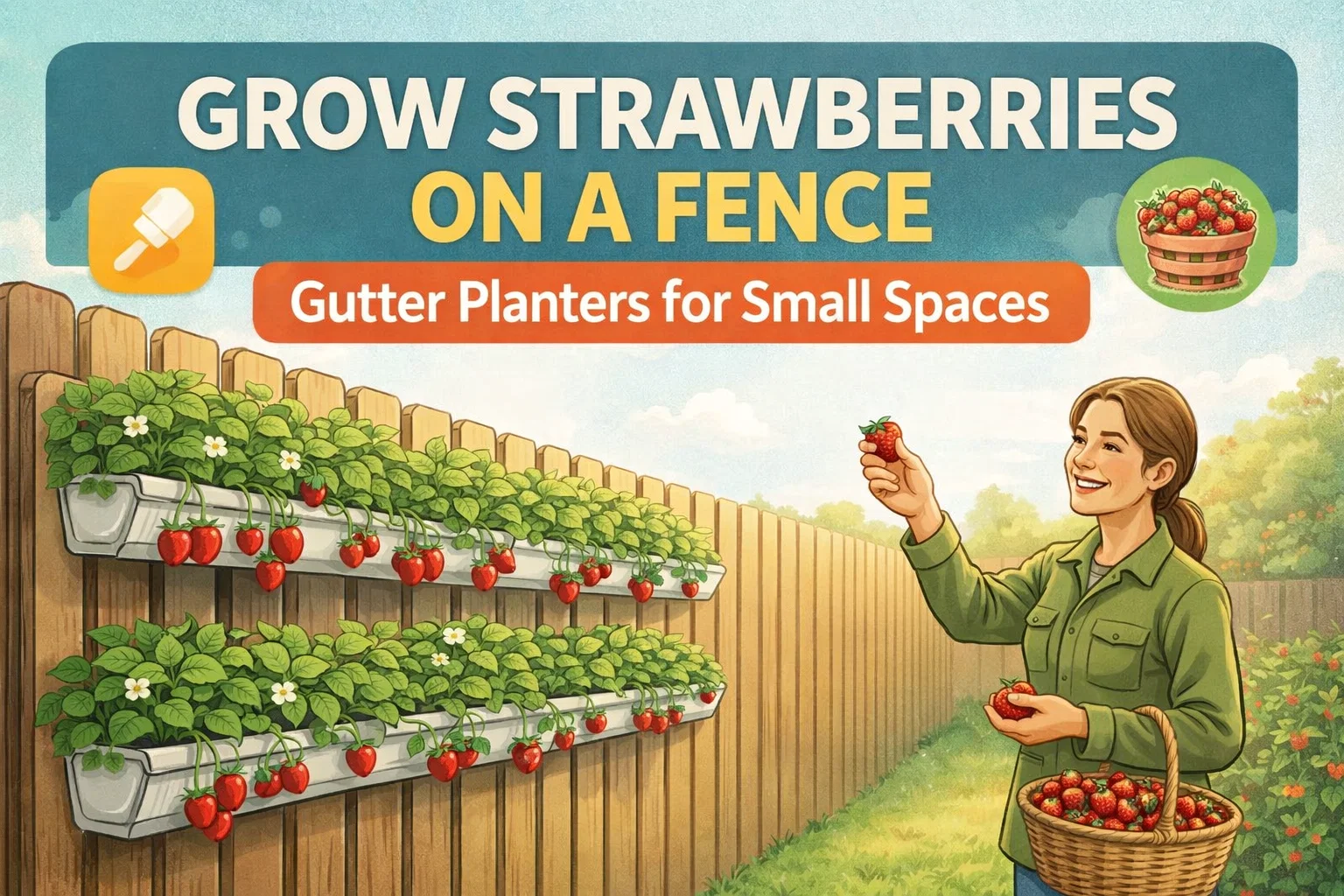
DIY Strawberry Gutter Garden How to Grow 30 Plants on a Fence with Zero Ground Space
Are you tired of tripping over sprawling strawberry patches or feeling like your garden is just too small to grow the fresh produce you crave? You are not alone. Many urban gardeners and suburban homeowners feel restricted by a lack of traditional garden bed space. The good news is that you do not need a sprawling plot of land to enjoy a bountiful harvest. Vertical gardening is the secret weapon for the modern gardener, and specifically, the strawberry gutter system is one of the most efficient, budget-friendly ways to transform an unused fence into a productive berry paradise.
Why Vertical Gardening Is the Future
Vertical gardening has moved far beyond a trend. It is now a practical necessity for many of us. By growing upwards rather than outwards, you are essentially increasing your growing surface area without changing your property footprint. This approach is particularly effective for shallow-rooted plants like strawberries. When you utilize a vertical space, you are also making plant care much easier on your back and knees. No more bending down to the ground to weed or harvest, which makes gardening a more sustainable hobby for years to come.
The beauty of this system is its simplicity. By repurposing common hardware store materials like vinyl gutters, you can create a customized, multi-tiered growing environment. This setup allows for superior airflow around the foliage, which is critical for reducing the risk of fungal diseases that often plague strawberries grown directly on the soil.
Maximizing Your Yield in Minimal Space
The math behind a strawberry gutter system is impressive. A standard fence panel, when outfitted with a few parallel rows of gutters, can easily accommodate 30 or more plants. Compare that to a traditional garden bed of the same width, and you are effectively doubling or even tripling your production. Because the plants are elevated, they are also less accessible to common ground-dwelling pests like slugs and snails, which are notorious for ruining a perfectly good crop of strawberries just as they begin to ripen.
Getting Started: Essential Materials
Before you dive into construction, gather your supplies. You do not need expensive specialized equipment to build a professional-looking system. Most of these items are easily found at your local home improvement center.
- Vinyl Gutters: These are lightweight, weather-resistant, and perfect for the job.
- End Caps: Essential for keeping your soil and water inside the trough.
- Mounting Brackets: Ensure your fence is strong enough to hold the weight of wet soil and plants.
- Drill and Bits: You will need to create drainage holes to prevent root rot.
- Quality Potting Mix: Avoid heavy garden soil; use a mix that provides excellent aeration.
- Strawberry Starts: Choose a variety that suits your local climate, such as June-bearing or everbearing types.
The Importance of Proper Drainage
While gutters are designed to move water away from a roof, when repurposed for a garden, they must hold enough moisture while allowing excess water to escape. If you fail to drill adequate drainage holes in the bottom, your soil will become waterlogged, leading to root rot and eventual plant failure. Drill a series of small holes about every six inches along the base of the gutter. If you are mounting multiple tiers, you can position these holes to allow water to drip down to the lower tiers, though it is usually safer to maintain independent drainage to prevent disease from spreading between plants.
Step-by-Step Installation Guide
The installation process is straightforward enough for a beginner to handle in a single weekend. The first step is to secure your brackets to the fence. Make sure you use a level to ensure your gutters are perfectly horizontal. If they are tilted, water will collect at one end, potentially causing an imbalance and putting unnecessary stress on that side of the system.
Once the gutters are mounted and secure, add your end caps. Then, fill them with a high-quality potting mix. Incorporate a little bit of compost or slow-release organic fertilizer to give your strawberries the fuel they need. When planting, space your strawberries about six inches apart. This spacing gives them enough room to spread their crowns without overcrowding, ensuring that each plant gets the sunlight and air circulation required for maximum fruit production.
Cultivating Your Strawberry Wall
Once everything is planted, the real magic begins. However, you must stay attentive to your new garden. Because these containers are exposed to air on all sides, the soil will dry out faster than it would in a traditional garden bed. During the peak of summer, you may need to water your strawberry wall daily. Check the moisture level by inserting your finger about an inch into the soil. If it feels dry, it is time to hydrate.
Harvesting at Eye Level
There is nothing more satisfying than walking up to your fence and picking a handful of sun-warmed strawberries. Because the berries hang over the edge of the gutter, they remain clean and free from soil contact. This means they are often ready to eat the moment you pick them. Teach your family members or neighbors how to identify the deep red, fully ripe berries so you do not miss a single delicious harvest.
Maintaining Your System for Years to Come
While this project is fairly permanent, it does require seasonal maintenance. As the seasons change, you will want to prune back any dead foliage or runners that are not being used for propagation. In colder climates, consider whether you need to protect the gutters during the winter. Because the root systems are above ground and more exposed, a hard freeze can be more damaging than if they were in the ground. Wrapping the gutters with burlap or moving them to a more sheltered location can help ensure your plants survive to see another spring.
Final Thoughts: Growing Your Own Happiness
Creating a strawberry gutter system is more than just a home improvement project; it is a step toward a more self-sufficient and rewarding lifestyle. Whether you are working with a tiny balcony fence or a long stretch of backyard privacy fencing, this method proves that you do not need massive amounts of land to experience the joy of growing your own food. It is simple, affordable, and incredibly productive. Pick up your drill, select your favorite strawberry variety, and turn that blank fence into the most delicious feature of your home garden.