DIY Winter Deep Breath Warming Rub Recipe Natural Herbal Balm for Congestion Circulation
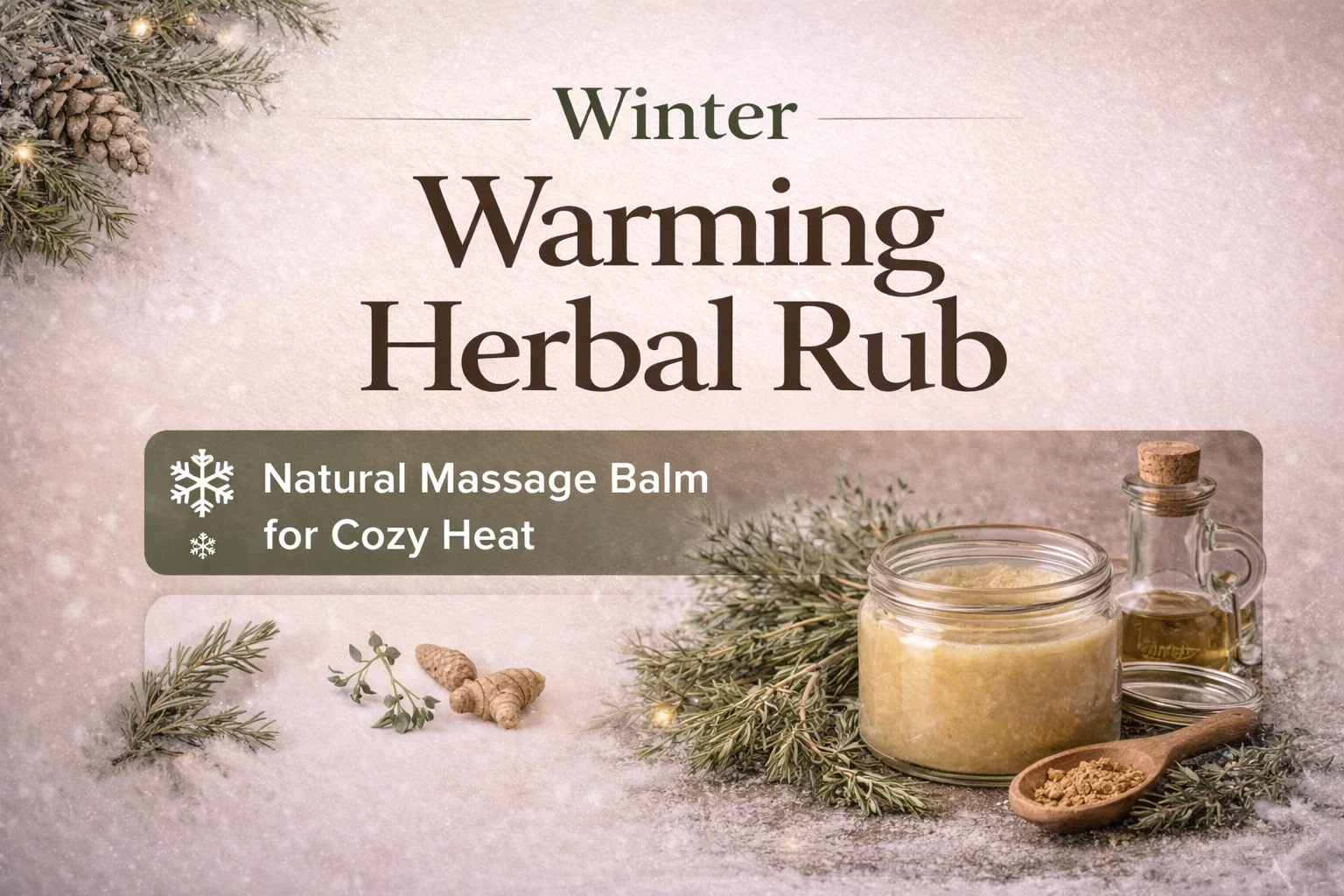
As the frost begins to patterns the windowpanes and the air turns crisp, our bodies naturally crave warmth and restoration. There is something deeply grounding about turning to the kitchen pantry to find relief from the biting cold. While store bought vapor rubs are a common staple, many are filled with synthetic petroleum bases and artificial fragrances that can feel harsh on sensitive skin. That is why creating a handcrafted, waterless balm like the Deep Breath Warming Rub is such a game changer for your winter wellness routine. This concentrated herbal infusion uses the gentle, natural heat of common kitchen herbs to open the breath and soothe chilled extremities. In this guide, we will explore why this specific blend of thyme, rosemary, and ginger is a must have for your natural medicine cabinet.
The Magic of Waterless Balms
Most commercial lotions are water based, which means they require heavy preservatives to prevent mold and bacteria growth. A waterless balm, or an anhydrous balm, is composed entirely of oils, herbs, and waxes. This makes it incredibly concentrated. Because there is no water to evaporate, the balm creates a protective barrier on the skin, sealing in the medicinal properties of the herbs and keeping your skin hydrated against the dry winter air. This specific rub is designed to be firm yet spreadable, melting into the skin upon contact to deliver a slow, steady release of herbal warmth.
Why Herbal Infusions Matter
Instead of just mixing essential oils into a base, this recipe calls for a traditional oil infusion. By heating dried thyme and rosemary in olive oil for two hours, you are extracting the full spectrum of the plant’s fat soluble compounds. This results in a more holistic and gentle product. While essential oils are powerful, whole plant infusions offer a subtlety that is often better suited for long term use on the chest, neck, and feet. It is the difference between a quick flash of heat and a slow, simmering glow that lasts throughout the evening.
Deconstructing the Ingredients: The Power of Thyme and Rosemary
The heart of this warming rub lies in the combination of thyme and rosemary. These are not just for roasting potatoes; they are two of the most potent respiratory supports found in the average garden. Both herbs are rich in volatile oils that have been used for centuries to support clear breathing and immune health.
Thyme: The Respiratory Specialist
Thyme contains a compound called thymol. In the world of herbalism, thyme is legendary for its ability to support the lungs. When applied topically in a rub, the warmth of your body helps release these aromatic compounds, which you then breathe in. It acts as a gentle expectorant, helping to clear out the “muck” that often settles in the chest during flu season. Using two tablespoons of dried thyme ensures that your olive oil base is saturated with these protective properties.
Rosemary: The Circulatory Spark
Rosemary is a warming herb that is famous for stimulating blood flow. It contains camphor, which provides that signature “opening” sensation in the sinuses. Beyond just helping you breathe, rosemary is excellent for those who suffer from cold hands and feet. By stimulating localized circulation, it helps bring blood to the surface of the skin, providing a natural feeling of heat. This makes the Deep Breath rub double as a fantastic foot balm before you tuck into bed with a pair of wool socks.
The Base: Olive Oil and Beeswax
The texture of a salve is just as important as the herbs inside. To get that perfect “rub” consistency that stays on the skin rather than sliding off, we use a specific ratio of carrier oil to wax.
- Olive Oil: A heavy, nourishing oil that penetrates the skin slowly. It is stable enough to withstand the two hour heating process without going rancid.
- Beeswax Pellets: This is the “glue” that holds everything together. Beeswax creates a breathable barrier on the skin. It protects the area from cold wind while ensuring the herbal oils stay exactly where you need them.
Adding the Spice: The Role of Ginger
While the infusion provides the aromatic relief, the ginger powder added at the end provides the literal “spice.” Ginger is a rubefacient, which is a fancy way of saying it increases local blood circulation. By stirring in half a teaspoon of ginger powder at the very end, you ensure the heat sensitive gingerols remain potent. This is what gives the rub its “warming” title. It creates a subtle, tingly heat that is incredibly comforting on a sore chest or stiff, cold joints.
Step by Step Instructions for the Perfect Batch
Creating this balm is a meditative process that will fill your home with the scent of a summer garden. Follow these steps to ensure a shelf stable, high quality product.
1. The Infusion Phase
Place your half cup of olive oil in a double boiler. Add your dried thyme and rosemary. Keep the heat on low. You do not want to fry the herbs; you want to gently coax the oils out of the leaves. Let this simmer for at least two hours. If you do not have a double boiler, you can place a glass bowl over a pot of simmering water. Once the time is up, strain the oil through a fine mesh sieve or cheesecloth into a clean bowl. Make sure to squeeze the herbs to get every last drop of that potent green oil.
2. The Melting Phase
Clean your double boiler and add the strained herbal oil back in along with one ounce of beeswax pellets. Stir occasionally until the wax has completely dissolved into the oil. The mixture should look clear and golden.
3. The Binding Phase
This is the most critical step. Remove the pot from the heat. You must work quickly here. Add the ginger powder and stir vigorously. If you wait too long, the beeswax will begin to harden and the ginger will clump. Once it is smooth and integrated, pour the liquid immediately into small glass jars or metal tins.
How to Use Your Warming Rub
This balm is versatile enough for the whole family, though it is always wise to do a small patch test first. To use it for respiratory support, scoop out a pea sized amount and massage it vigorously into the chest and back. The friction of your hands helps activate the ginger and rosemary. For cold extremities, apply a generous layer to the soles of the feet. This is particularly effective right before sleep, as the ginger helps maintain warmth throughout the night. Because it is waterless, a little goes a long way, so start with a small amount and add more as needed.
Storage and Shelf Life
One of the best things about this recipe is its longevity. Since there is no water, bacteria have a hard time growing. If stored in a cool, dark place, your Deep Breath Warming Rub will stay fresh for up to 12 months. This means one batch made in November will easily carry you through until the following winter. Always use clean, dry hands when scooping out the balm to prevent introducing moisture into the jar.
The Benefits of a Natural Approach
Choosing to make your own wellness products allows you to take control of your health. When you use this rub, you know exactly what is going onto your skin. There are no synthetic “fragrances” which are often a cocktail of undisclosed chemicals. Instead, you are using the historical wisdom of herbalism to support your body’s natural functions. It is a more sustainable, affordable, and effective way to handle the common discomforts of the winter season.
A Note on Safety
While these kitchen herbs are generally very safe, keep in mind that ginger can be quite warming. Avoid applying the rub to broken skin or sensitive areas like the eyes or face. If you are using this on young children, you may want to decrease the amount of ginger powder by half to ensure it is extra gentle on their delicate skin.
Conclusion: Bringing the Heat Home
The “Deep Breath” Warming Rub is more than just a remedy; it is an invitation to slow down and care for yourself during the harshest time of year. By combining the respiratory power of thyme, the circulatory boost of rosemary, and the fiery comfort of ginger, you create a powerhouse balm that smells like a forest and feels like a warm blanket. Whether you are battling a seasonal sniffle or just trying to stay cozy on a snowy night, this DIY project is a rewarding addition to any holistic lifestyle. Gather your herbs, melt your wax, and prepare to breathe a little easier this winter. Your body and your senses will thank you for the natural, handcrafted care.