Dopamine Menu Ideas for ADHD Productivity Daily Self Care Routine Mental Health Tips
We have all been there. You are sitting at your desk, staring at a mounting to-do list, but your brain feels like it is running on empty. Instead of starting that important project, you find yourself mindlessly scrolling through social media for the third time in an hour. This is not a lack of willpower; it is often a sign that your brain is searching for a quick hit of dopamine. In our modern, high-speed world, we are constantly overstimulated by digital notifications and instant gratification, which can leave our natural reward systems feeling depleted. This is where the concept of a Dopamine Menu comes into play, offering a structured and healthy way to refuel your mental energy and regain focus.
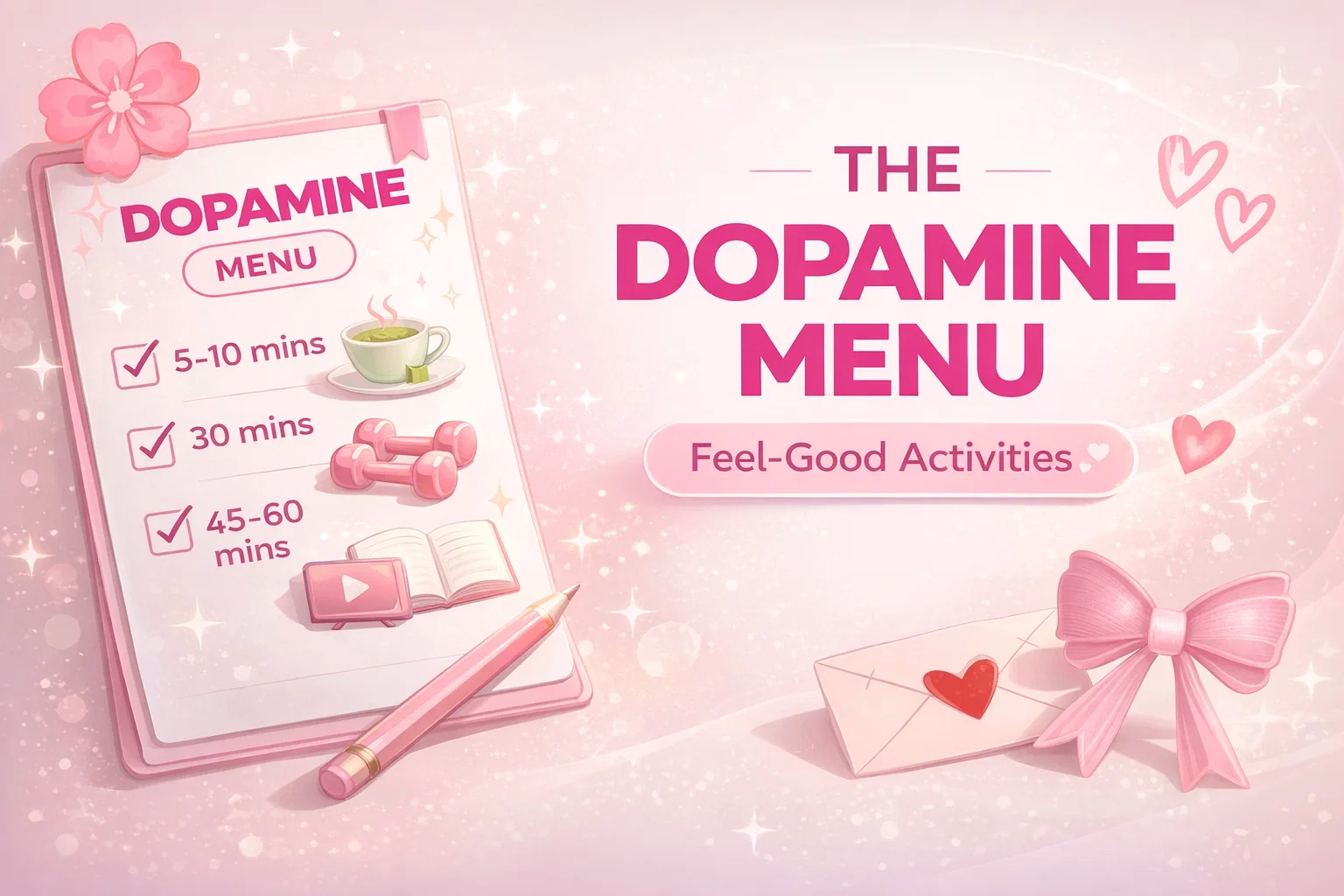
A Dopamine Menu, or Dopa-menu, is a curated list of activities that you know will provide a genuine sense of pleasure, relaxation, or accomplishment. By categorizing these activities by the amount of time they take and the type of energy they provide, you create a toolkit for your brain. Instead of defaulting to low-value stimulation like “doom-scrolling,” you can choose a nourishing “appetizer,” “entree,” or “dessert” that actually helps you feel better in the long run. This approach is particularly transformative for those navigating ADHD, chronic stress, or creative burnout, but it is a powerful productivity hack for anyone looking to live more intentionally.
Understanding the Science of the Reward System
To appreciate why a Dopamine Menu works, we first need to understand what dopamine actually does. Often mislabeled as the “pleasure chemical,” dopamine is actually more about motivation, anticipation, and the pursuit of rewards. It is the brain’s way of saying, “Hey, pay attention to this! This feels good, let us do it again.” When we engage in activities that are naturally rewarding, like finishing a workout or enjoying a great meal, our brain releases a healthy amount of dopamine.
The problem arises with “cheap dopamine.” Social media apps, video games, and online shopping are designed to trigger frequent, intense spikes of dopamine with very little effort on our part. Over time, our brains can become desensitized to these high peaks, making everyday tasks feel boring or impossible to start. By creating a menu of varied activities, you are essentially retraining your brain to find satisfaction in a wider range of experiences, including those that require more engagement but offer deeper fulfillment.
The Benefits of Categorizing Your Joy
One of the most effective ways to build your menu is to think about it like a real restaurant menu. If you only have five minutes between meetings, you cannot sit down for a “Main Course” like cooking an elaborate meal. Having “Appetizers” ready to go ensures you do not waste those small pockets of time. Similarly, “Specials” are there for when you need a major reset on your weekend. This structure removes the “decision fatigue” that often leads us back to our phones. When you are tired, the last thing you want to do is think of what to do. The menu does the thinking for you.
Appetizers: Quick 5 to 15 Minute Boosts
Appetizers are short, low-barrier activities that provide a quick lift without requiring a massive time commitment. These are perfect for transitions during your workday or when you feel a slump coming on. They act as a “palate cleanser” for your brain, helping you pivot from one task to another with a bit more clarity.
- Deep Breathing and Meditation: Just ten minutes of intentional breathing can lower your cortisol levels and reset your nervous system. It is one of the fastest ways to move from a state of stress to a state of calm.
- Hydration and Green Tea: Often, what we perceive as brain fog is simply mild dehydration. Taking five minutes to enjoy a warm cup of green tea provides a gentle caffeine boost alongside L-theanine, which promotes focused relaxation.
- Daily Planning: Spending five minutes mapping out your day can reduce anxiety. When you know what is coming next, your brain does not have to waste energy worrying about forgotten tasks.
- Skin Care Micro-Routines: A quick splash of cold water or applying a favorite moisturizer can be a sensory “ping” that wakes up your senses and makes you feel more “human” during a long day of screen time.
Entrees: 25 to 30 Minute Mindful Tasks
Entrees are the “meat” of your self-care. These activities require a bit more movement or cognitive engagement but provide a substantial return on investment. If you find yourself in a funk that an appetizer cannot fix, it is time for an entree. These tasks often involve “flow states,” where you lose track of time in a positive way.
Moving Your Body
Physical activity is perhaps the most reliable way to generate dopamine naturally. Whether it is a brisk 25-minute walk outside or a targeted exercise session, movement increases blood flow to the brain and releases endorphins. The key here is not intensity, but consistency. A short walk in nature can be just as effective for mental clarity as a gym session.
The Power of the Everything Shower
There is a reason why the “everything shower” has become a viral self-care staple. Combining exfoliation, hair care, and a warm environment creates a powerful sensory experience. It serves as a physical and symbolic way to “wash off” the stress of the day. It is thirty minutes of dedicated “me time” that leaves you feeling refreshed and ready to tackle the next challenge.
Home Environment and Mental Clarity
Our external environment often reflects our internal state. Spending twenty-five minutes cleaning a room or decluttering a workspace can provide an immediate sense of accomplishment. It removes visual “noise” that competes for your attention, allowing your brain to rest more easily when the task is done.
Main Courses: 45 Minutes to 1 Hour of Deep Engagement
Main Courses are the activities that leave you feeling truly nourished. These are usually “high-effort, high-reward” tasks. They require sustained focus, but they contribute to your long-term growth and happiness. These are the activities we often say we “do not have time for,” yet they are the most important for preventing burnout.
- Reading a Book: Diving into a story or learning a new topic through a physical book is a wonderful way to practice sustained attention. Unlike scrolling a webpage, a book provides a linear, calm experience for the mind.
- Cooking a Nutritious Meal: The process of chopping, seasoning, and creating something from scratch is incredibly grounding. It engages all five senses and results in a tangible, healthy reward.
- Building a New Skill: Whether it is practicing a language, learning to code, or playing an instrument, spending an hour on a skill provides a deep sense of competence. This “mastery” is a significant driver of long-term dopamine and self-esteem.
- Content Creation: If you are a creative person, actually making something rather than consuming it is vital. Planning a blog post, drawing, or editing a video allows you to express your internal world, which is highly satisfying.
Specials: Weekend Resets and Social Connection
Every menu needs specials. These are not daily occurrences but things you look forward to. They are often social or out-of-the-ordinary events that break the monotony of the week. “Specials” help you maintain a “big picture” perspective on life, reminding you that there is more to existence than just work and chores.
Cafe hopping, visiting a local bookstore, or attending a live concert are all ways to engage with your community and your interests. Even “Self Date Days,” where you take yourself out to a movie or a museum, can be incredibly empowering. These activities provide a variety of stimuli that keep your brain engaged and curious about the world around you.
Desserts: Handling Temptations with Intention
In a Dopamine Menu, desserts are those activities that are fun but should be “consumed” in moderation. These are things like scrolling social media, online shopping, or watching mindless TV. The goal is not to eliminate these things entirely; that is usually unrealistic. Instead, the goal is to be mindful of them.
When you recognize these as “desserts,” you acknowledge that while they taste good in the moment, they do not provide long-term sustenance. By placing them at the end of your menu, you ensure you have had your “nutritious” activities first. This changes the relationship from an impulsive habit to a chosen treat.
How to Customize Your Own Menu
The most important thing to remember is that your Dopamine Menu should be unique to you. What feels like an “entree” to one person might feel like a chore to another. To build your own, start by paying attention to your energy levels throughout the week. When do you feel most alive? What activities make you forget to check your phone? Write those down. Start small with two or three items in each category and refine it as you go. You can even design a physical version of your menu and hang it in your workspace as a visual reminder to choose joy over distraction.
Conclusion: Cultivating a Sustainable Lifestyle
Creating a Dopamine Menu is more than just a productivity trend; it is an act of self-kindness. It is an acknowledgment that your brain is a complex organ that needs diverse types of stimulation to thrive. By moving away from the “all or nothing” mindset of productivity and toward a “menu” mindset of nourishment, you create a sustainable rhythm for your life.
Start today by picking one “appetizer” from the list above. Whether it is a five-minute stretch or a glass of water, notice how it feels to make a conscious choice for your well-being. Over time, these small choices compound into a lifestyle that is not just productive, but deeply fulfilling. Your brain will thank you for the variety, and you will likely find that the things you used to struggle to focus on become much easier when your mental “tank” is full of the right kind of fuel.