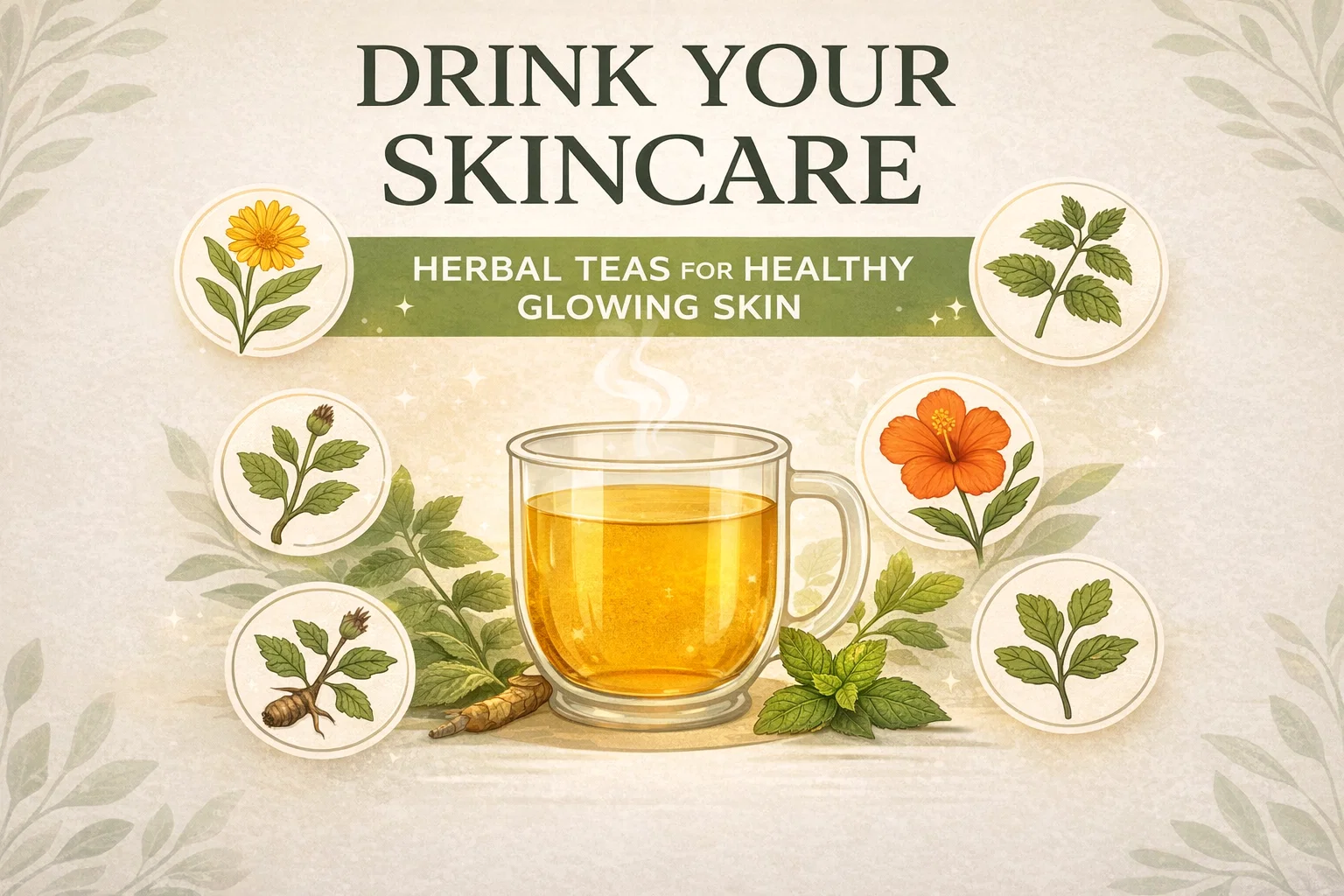
Drink Your Skincare 5 Best Herbal Teas for Clear, Glowing Skin Acne
We often spend hundreds of dollars on serums, creams, and ten-step routines in the pursuit of a flawless complexion. We scrutinize ingredient lists for hyaluronic acid and retinol, layering products on our faces every morning and night. But what if the secret to that elusive “lit-from-within” glow isn’t actually something you put on your face, but something you put in your body? The concept of “drinking your skincare” is rapidly changing how we approach beauty, shifting the focus from topical fixes to internal nourishment. It turns out that your grandmother’s herbal remedies might just be more effective than that luxury moisturizer sitting on your vanity.
The skin is our body’s largest organ, and it is often a mirror reflecting our internal health. Issues like cystic acne, dullness, inflammation, and premature aging are frequently signals that our internal systems—specifically our digestion, hormones, and detoxification pathways—need support. By incorporating specific herbal teas into your daily ritual, you aren’t just hydrating; you are delivering potent antioxidants, minerals, and anti-inflammatory compounds directly to your bloodstream. Let’s dive deep into the world of botanical beauty and explore how these five specific powerhouse herbs can transform your skin from the inside out.
The Science of Sipping: How Tea Transforms Skin
Before we explore the specific herbs, it is crucial to understand why this method works. Topical skincare can only penetrate so deep. While serums treat the epidermis (the surface layer), herbal teas work systemically. They target the root causes of skin distress.
For instance, chronic inflammation is a leading cause of redness and acne. Cooling herbs can soothe this internal heat. Similarly, if your liver is sluggish and struggling to filter toxins, those toxins often try to escape through the skin, resulting in breakouts. Detoxifying roots can assist the liver, clearing the path for healthy skin. Furthermore, hydration is key. Dehydrated skin looks tired and emphasizes fine lines. When you swap sugary lattes or sodas for herbal infusions, you are doubling down on benefits: removing inflammatory sugar and adding therapeutic hydration.
1. Spearmint: The Hormonal Balancer
If you struggle with those painful, deep cysts that pop up around your jawline and chin right before your cycle, spearmint tea might just become your holy grail. Hormonal acne is notoriously difficult to treat with topical creams because the issue stems from an internal imbalance, often related to androgens (male hormones like testosterone) which can overstimulate oil glands.
Why it works: Studies have suggested that spearmint tea has significant anti-androgenic effects. By naturally helping to regulate these hormone levels, it reduces the excess sebum (oil) production that clogs pores and feeds acne bacteria. It acts as a gentle, natural regulator.
Beyond acne, spearmint is fantastic for digestion. A happy gut often equals happy skin. By soothing stomach upset and reducing bloating, spearmint ensures your body is absorbing nutrients effectively, which eventually shows up as a clearer complexion. To see real results, consistency is key; most experts recommend drinking two cups daily to maintain those hormone-balancing effects.
2. Hibiscus: The “Natural Botox”
Visually stunning with its deep crimson color, hibiscus tea is as potent as it is beautiful. Often referred to in the natural beauty community as the “Botox plant,” hibiscus is a powerhouse for anyone looking to maintain firm, youthful skin or revive a dull complexion.
The Collagen Connection: Hibiscus is incredibly rich in Vitamin C, a crucial nutrient required for the production of collagen. Collagen is the structural protein that keeps our skin plump and prevents sagging. As we age, collagen production naturally dips, but high-Vitamin C beverages can help stimulate your body’s natural synthesis machinery.
Additionally, hibiscus is a natural source of Alpha Hydroxy Acids (AHAs). You have likely seen AHAs like glycolic acid or lactic acid in expensive chemical exfoliants. When consumed and applied (yes, you can use cooled tea as a toner!), these natural acids help speed up cell turnover, shedding dead skin cells to reveal the fresh, glowing skin underneath. The high antioxidant content, specifically anthocyanins (which give it that red color), also fights off free radicals caused by pollution and UV exposure, preventing oxidative stress and premature aging.
3. Burdock Root: The Master Detoxifier
Burdock root is an earthy, grounding herb that has been a staple in Traditional Chinese Medicine and Western herbalism for centuries, primarily for its blood-purifying properties. If your skin feels congested, prone to frequent breakouts, or just looks “muddy,” Burdock root is the heavy lifter you need.
Clearing the Pathway: Think of your liver and kidneys as your body’s filtration system. When they get overwhelmed, the “trash” backs up. In the body, this backup often manifests as acne, eczema, or psoriasis. Burdock root contains active compounds like arctiin and lignans that stimulate the lymphatic system and support liver function. It helps the body flush out impurities efficiently through natural elimination channels rather than pushing them out through the skin.
Because it is a root, it needs to be steeped longer than delicate flowers like hibiscus. A long infusion extracts the deep, earthy minerals and inulin, a prebiotic fiber that feeds healthy gut bacteria. A healthy microbiome is intimately linked to clearer skin, reducing the severity of inflammatory skin conditions.
4. Calendula: The Internal Healer
You may recognize Calendula (Marigold) as a common ingredient in soothing salves and diaper creams, but drinking it offers profound benefits for internal inflammation. If your skin is red, sensitive, irritated, or slow to heal from old acne scars, Calendula is the gentle nurse your body needs.
Soothing from Within: Calendula is renowned for its vulnerary properties, meaning it promotes wound healing. It is rich in flavonoids and carotenoids—the same compounds that give carrots their orange hue—which are fantastic for skin health. When consumed as a tea, it works to soothe the mucous membranes of the digestive tract. This is vital because of the “gut-skin axis.” Inflammation in the gut (often called “leaky gut”) allows systemic inflammation to travel throughout the body, flaring up rosacea and acne.
By healing the gut lining and reducing internal heat, Calendula calms the fire that leads to red, angry skin. It also supports the lymphatic system, helping to drain stagnant fluids that can cause puffiness, particularly around the eyes and jaw.
5. Nettles: The Mineral Multivitamin
Stinging Nettle might sound intimidating, but once dried and brewed, it is arguably one of the most nutritive herbs on the planet. It is often described as a “multivitamin in a cup.” For skin that looks tired, gray, or depleted, Nettle tea is the ultimate revitalizer.
Nourish and Revitalize: Nettles are packed with minerals that are often missing from the modern diet, including silica, magnesium, potassium, and calcium. Silica, in particular, is a beauty mineral essential for strong connective tissue. It strengthens hair and nails and improves the elasticity of the skin.
Furthermore, Nettles are a natural antihistamine. If your skin issues are related to allergies—such as hives, itchiness, or puffiness—Nettle tea can help calm that histamine response naturally. Its mild diuretic effect also helps flush out excess sodium and water retention, giving you a more sculpted, less puffy appearance in the morning.
Brewing the Perfect Beauty Elixir
Knowing which tea to drink is step one; brewing it correctly is step two. To extract the medicinal compounds effectively, you need to treat these herbs differently than a standard tea bag.
- Cover Your Cup: This is the most important rule. Many of the beneficial compounds in plants, especially spearmint and calendula, are found in the volatile oils. If you brew your tea in an open mug, those oils evaporate with the steam. Cover your mug with a saucer while stepping to trap the medicine in the water.
- Time Matters: For flowers and leaves (Calendula, Nettles, Spearmint, Hibiscus), steep for 10 to 15 minutes. For roots (Burdock), you ideally want to simmer them on the stove for 20 minutes (a method called decoction) or steep them for at least 30 minutes to break down the tough cellular material.
- Consistency over Intensity: Drinking five cups in one day and then none for a week won’t yield results. Herbal medicine works by gently nudging the body back into balance over time. Aim for one to two cups daily for at least a month to see visible changes in your skin texture and clarity.
Creating Your Own Synergy
The beauty of herbalism is that you don’t have to choose just one. These herbs work beautifully in concert. For example, a “Clear Skin Blend” might combine Burdock Root and Spearmint to tackle hormonal acne and detoxification simultaneously. A “Glow Blend” could feature Hibiscus and Nettles for a mineral and Vitamin C boost.
Experiment with flavors. Hibiscus is tart and pairs well with a touch of honey. Spearmint is refreshing and sweet on its own. Burdock is earthy and pairs well with ginger or cinnamon to warm it up.
Final Thoughts
Embracing the “Drink Your Skincare” philosophy is an act of self-love. It slows you down. It forces you to take ten minutes to brew a cup, inhale the steam, and do something beneficial for your body that doesn’t involve covering up flaws. While these teas are powerful, they aren’t magic wands that erase a poor diet or lack of sleep. They work best as the anchor of a holistic lifestyle that prioritizes whole foods and stress management.
So, the next time you feel a breakout coming on or notice your skin looking a little lackluster, skip the drugstore aisle. Head to your kettle, grab some loose-leaf herbs, and brew a potion that heals, nourishes, and illuminates from the inside out.