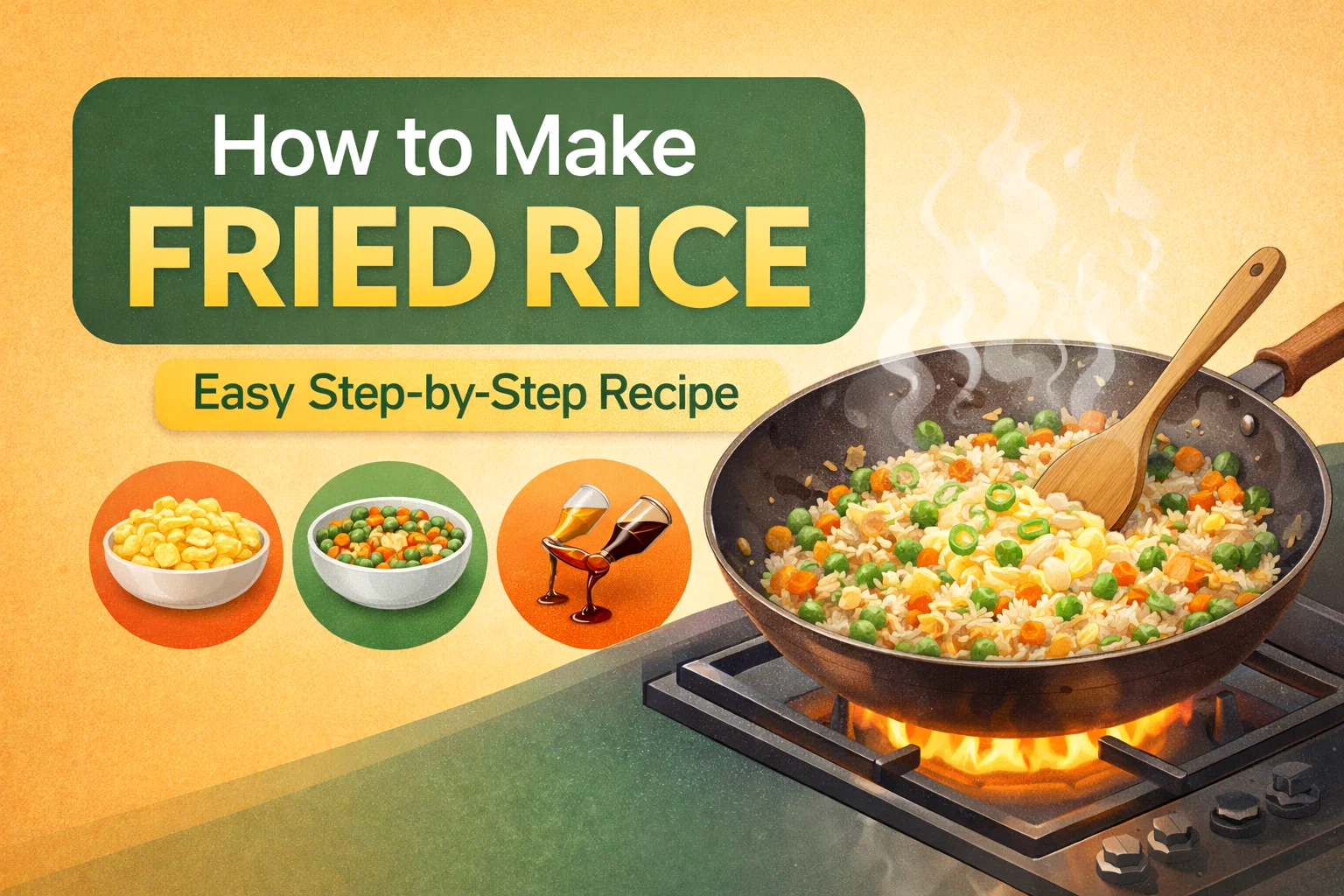
Easy 15-Minute Fried Rice Recipe Quick Healthy Homemade Vegetable Fried Rice Recipe
Bringing the authentic taste of your favorite takeout spot into your own kitchen is one of the most rewarding culinary skills you can master. There is something uniquely satisfying about the sizzle of a hot wok and the aromatic blend of sesame oil and soy sauce filling the air. This simple fried rice recipe is designed for busy weeknights when you need a nutritious, delicious meal on the table in under twenty minutes. By following a few traditional techniques and using basic pantry staples, you can transform humble leftover rice into a gourmet experience that the whole family will request again and again.
The Secret to Perfect Fried Rice Texture
The most common mistake home cooks make when attempting fried rice is ending up with a mushy, clumped-together mess. To achieve those distinct, slightly chewy grains of rice seen in professional kitchens, the temperature and moisture content of your ingredients are critical. Understanding the science behind the grain helps you manipulate the final texture to your liking.
Why Cold Rice is Non-Negotiable
Freshly cooked rice is full of moisture and surface starch. If you throw it straight into a pan, it will steam rather than fry, resulting in a soggy dish. Using rice that has been refrigerated for at least twelve hours allows the grains to dehydrate slightly and the starches to firm up. This process, known as retrogradation, ensures that each grain stays separate and can be individually toasted by the oil and heat of the wok. If you are in a rush and must use fresh rice, spread it out on a baking sheet and place it in front of a fan or in the freezer for fifteen minutes to mimic the aging process.
Choosing the Right Grain
While you can technically fry any rice, long-grain varieties like Jasmine are the gold standard. Jasmine rice has a floral aroma and a sturdy structure that holds up well under high heat. Short-grain or sushi rice tends to be too sticky for this specific application, while brown rice offers a nuttier flavor and extra fiber but requires a bit more oil to prevent sticking.
Essential Tools for the Home Chef
You do not need a professional-grade kitchen to make world-class fried rice, but having the right tools makes the process much smoother. The goal is even heat distribution and enough space to toss the ingredients without them spilling over the sides.
The Power of the Wok
A carbon steel wok is the traditional choice because it heats up incredibly fast and develops a natural non-stick surface over time. The high, sloping sides allow you to push cooked ingredients away from the intense heat at the bottom while you add new items. However, if you do not own a wok, a large stainless steel or cast-iron skillet will work perfectly fine. The key is to ensure the pan is large enough so the rice is not crowded, which allows moisture to escape quickly.
High-Heat Spatulas
A wide wooden spatula or a metal wok turner is essential for breaking up rice clumps and flipping the ingredients. You want a tool that can scrape the bottom of the pan effectively to incorporate those flavorful browned bits that develop during the frying process.
The Four-Step Method to Success
Efficiency is the name of the game when it comes to stir-frying. Because the cooking process happens so quickly, you should have all your ingredients chopped, measured, and ready to go before you even turn on the stove. This preparation, known as mise en place, prevents burning and ensures a stress-free cooking experience.
Step 1: The Foundation of Fluffy Eggs
The first step in our visual guide involves scrambling the eggs. Start by heating a small amount of oil until it shimmer. Pour in your beaten eggs and let them sit for just a few seconds until the edges set. Gently fold them over until they are mostly cooked but still slightly soft. Remove them from the pan immediately and set them aside on a plate. By cooking the eggs first and adding them back at the end, you ensure they remain bright yellow and fluffy rather than getting overcooked and rubbery during the rice-frying stage.
Step 2: Searing the Aromatics and Vegetables
Clean your wok quickly if needed, add another tablespoon of oil, and toss in your diced carrots, peas, and onions. This is the time to add your minced garlic and ginger as well. The high heat will caramelize the natural sugars in the vegetables, creating a deep base of flavor. Stir-fry these for about three to four minutes. You want the carrots to be tender but still retain a slight snap. The fragrance of the garlic hitting the oil is your signal that the foundation of your dish is ready.
Step 3: Toasting the Rice and Building Flavor
Now comes the most important part. Increase the heat to high and add your cold rice to the center of the pan. Use your spatula to press down and break up any large clumps. Let the rice sit undisturbed for thirty seconds at a time to get a bit of a golden crust. Drizzle your soy sauce and toasted sesame oil over the rice. The soy sauce provides salt and umami, while the sesame oil adds that signature nutty aroma. Toss everything vigorously so every grain is coated in the seasoning.
Step 4: The Final Integration
Return the cooked eggs to the pan and add a generous handful of sliced green onions. The residual heat will wilt the onions just enough to release their flavor without losing their vibrant green color. Give everything one final toss to ensure the eggs are evenly distributed. Taste a spoonful and adjust the seasoning if necessary with a pinch of white pepper or an extra splash of soy sauce.
Customizing Your Fried Rice
One of the best things about this recipe is its versatility. Once you have mastered the basic technique, you can use it as a canvas for whatever ingredients you have on hand. It is the ultimate “clean out the fridge” meal.
Adding Protein
To turn this side dish into a hearty main course, consider adding cooked chicken, shrimp, or tofu. If you are using raw protein, sear it in the wok right after the eggs and before the vegetables. Remove the protein once it is cooked through and add it back in during the final step with the eggs. Diced ham or Chinese sausage (lap cheong) are also popular additions that provide a savory, slightly sweet contrast to the salty rice.
Flavor Variations
For a spicy kick, add a teaspoon of chili garlic sauce or sriracha during the sauce phase. If you prefer a more Thai-inspired flavor profile, swap half the soy sauce for fish sauce and add a squeeze of fresh lime juice and some chopped cilantro at the end. For an extra layer of umami, a small amount of oyster sauce or hoisin sauce can be mixed into the liquid seasoning.
Nutritional Benefits of Homemade Stir-Fry
When you make fried rice at home, you have complete control over the ingredients, making it a much healthier option than restaurant versions. You can significantly reduce the sodium content by using low-sodium soy sauce and limit the amount of oil used. By packing the dish with a high ratio of vegetables like bell peppers, broccoli, and snap peas, you increase the fiber and vitamin content of the meal. It is a balanced dish that provides complex carbohydrates, lean protein, and essential nutrients in every bite.
Common Troubleshooting Tips
If you find that your rice is sticking to the pan, it usually means your heat is not high enough or you did not use enough oil. Make sure the pan is hot enough that a drop of water sizzles and evaporates instantly. If the rice feels too dry, add a tablespoon of water or broth to create a little steam, which will help soften the grains without making them greasy. Always remember that fried rice is a fast process, so keep the ingredients moving constantly to prevent the garlic or soy sauce from burning.
Conclusion: A Staple for Every Kitchen
Mastering this simple fried rice recipe opens up a world of culinary possibilities. It is a fast, flexible, and foolproof way to feed yourself or your family with minimal effort and maximum flavor. By focusing on the quality of your rice and the timing of your ingredients, you can achieve a professional result that rivals any restaurant. Whether you keep it strictly vegetarian or load it up with your favorite proteins, this dish is sure to become a permanent fixture in your weekly dinner rotation. Grab your wok, heat up the oil, and start frying your way to a perfect meal today.
Would you like me to generate a specific grocery list or a vegan version of this recipe for your next post?