Easy Homemade Italian Seasoning Recipe Best Dried Herb Blend for Pasta, Soups Bread
There is something undeniably satisfying about the aroma of a home-cooked meal wafting through the kitchen. Often, the secret behind those mouth-watering scents isn’t a complex technique or a professional-grade oven; it is the quality of the herbs and spices used. While store-bought seasoning packets are convenient, they often sit on warehouse shelves for months, losing their potency and vibrance. By the time they reach your pantry, the soul of the herbs has often faded. That is why creating your own Italian seasoning blend at home is a complete game changer for any home cook looking to elevate their culinary game. With just a few staple dried herbs, you can create a versatile, aromatic powerhouse that brings the authentic flavors of the Mediterranean straight to your dinner table.
The Magic of a Balanced Italian Herb Blend
The beauty of Italian cuisine lies in its simplicity and its reliance on high-quality ingredients. An Italian seasoning blend is the backbone of this culinary philosophy. It is a harmonious mixture of earthy, sweet, and slightly peppery notes that work together to enhance the natural flavors of meats, vegetables, and grains. When you look at the classic profile of this blend, you are seeing a curated selection of herbs that have been used for centuries across the hillsides of Italy.
By making this blend yourself, you take full control over the flavor profile. If you prefer a more woodsy undertone, you can lean heavier on the rosemary. If you love the bright, sweet notes found in Neapolitan sauces, you can increase the basil. This customization is something you simply cannot get from a pre-packaged plastic shaker. Plus, you avoid the hidden anti-caking agents and fillers that are sometimes tucked into commercial spice mixes.
Deconstructing the Essential Ingredients
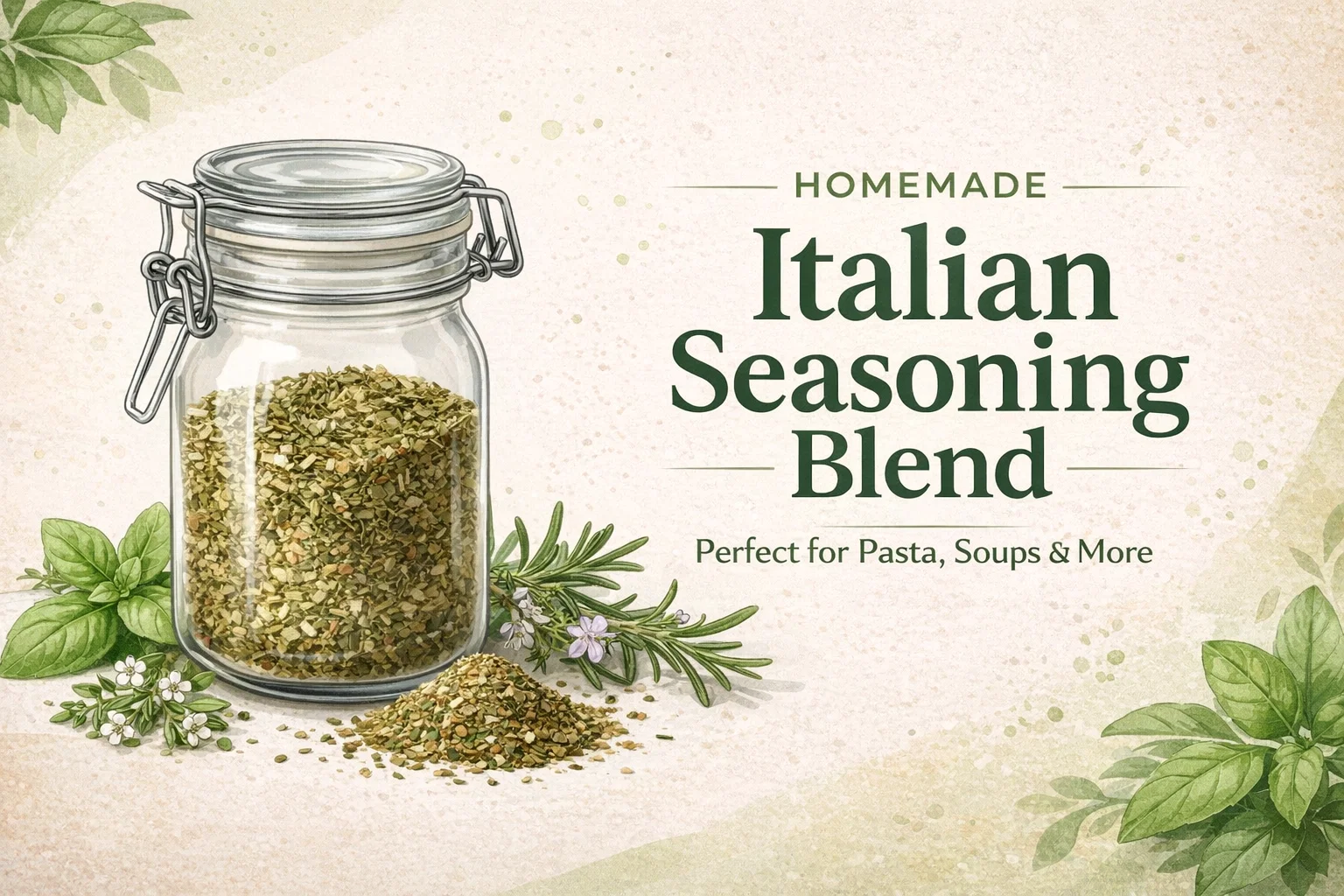
To craft the perfect Italian seasoning, you need to understand the role each herb plays in the symphony of flavor. The recipe featured in our guide uses a specific ratio designed for maximum versatility. Let us take a closer look at these five essential components.
Oregano: The Earthy Foundation
Oregano is perhaps the most iconic herb in Italian cooking. It provides a robust, slightly bitter, and earthy base that stands up well to long simmering times. In this recipe, we use two tablespoons of dried oregano to ensure a strong foundation. It is the ingredient that gives pizza sauce its unmistakable personality and provides a savory depth to grilled lamb or chicken.
Basil: The Sweet Contrast
Dried basil offers a subtle sweetness and a hint of minty freshness. While fresh basil is king in a Caprese salad, the dried version is a workhorse for cooked dishes. Using two tablespoons of basil balances the bitterness of the oregano, creating a rounded flavor that feels complete. It is the secret to a pasta sauce that tastes like it has been simmering all day.
Thyme and Rosemary: The Woodsy Accents
Thyme and rosemary are often grouped together because they both offer woodsy, pine-like aromas. Thyme is more delicate, with citrusy undertones, while rosemary is bold and assertive. In our blend, we use one tablespoon of each. This ratio ensures that the rosemary does not overpower the other ingredients but still provides that sophisticated, herbaceous finish that defines high-end Italian cooking.
Parsley: The Bright Harmonizer
Often overlooked as just a garnish, dried parsley actually plays a vital role as a harmonizer. It has a clean, peppery taste that helps to brighten the overall blend. One tablespoon of parsley acts as the glue that holds the more aggressive herbs together, ensuring the seasoning tastes fresh rather than dusty.
How to Mix and Store Your Spice Blend
Creating your blend is as simple as it gets, but there are a few tips to ensure you get the most out of your ingredients. Start with a clean, dry bowl. Measure out your dried herbs carefully. If you notice that some of the herbs, like the rosemary or thyme, are particularly large or twig-like, you can give them a quick pulse in a clean coffee grinder or crush them slightly with a mortar and pestle. This helps to release the essential oils and ensures an even distribution in every spoonful.
Storage is the most important factor in maintaining the life of your seasoning. Light, heat, and moisture are the enemies of dried herbs. To keep your Italian seasoning fresh for up to six months, store it in an airtight glass jar. A small mason jar or a repurposed spice container works perfectly. Keep the jar in a cool, dark place like a pantry or a kitchen drawer away from the stove. If the color starts to fade or the aroma becomes faint, it is time to whip up a fresh batch.
Creative Ways to Use Your Italian Seasoning
Once you have your jar of homemade seasoning ready, you will find yourself reaching for it constantly. Its applications go far beyond just standard pasta sauce. This blend is a true multitasker in the kitchen.
The Perfect Pasta Sauce and Soups
The most obvious use is in a classic marinara or bolognese. Adding a tablespoon of this blend to sautéed onions and garlic before adding your tomatoes allows the herbs to bloom in the oil, intensifying their flavor. Similarly, a teaspoon of this mix can transform a simple vegetable soup or a hearty minestrone into a restaurant-quality starter.
Herb-Crusted Breads and Pizzas
If you are a fan of baking, try incorporating this blend into your dough. You can mix it directly into the flour when making focaccia or sprinkle it over the top with a bit of sea salt and olive oil before putting it in the oven. For a quick snack, mix a teaspoon of the seasoning with softened butter to create a savory spread for toasted baguettes.
Vegetables and Proteins
Don’t stop at grains and sauces. This Italian blend is incredible as a dry rub for roasted chicken or pork chops. It also works wonders on roasted vegetables. Toss some broccoli, cauliflower, or potato wedges in olive oil and a generous dusting of your seasoning before roasting at high heat. The herbs will toast and create a delicious crust that makes even the simplest vegetables feel special.
The Benefits of Making Your Own Mixes
Beyond the superior taste, there are practical reasons to embrace the DIY spice cabinet. First, it is incredibly cost-effective. Buying individual herbs in bulk is much cheaper than purchasing small, branded jars of pre-mixed seasonings. Additionally, it reduces waste. You can reuse the same glass jar indefinitely, cutting down on the amount of plastic packaging that enters your home.
There is also a sense of culinary pride that comes with making things from scratch. When someone asks why your lasagna tastes so much better than the version they make at home, you can honestly tell them it is because of your custom herb blend. It is a small touch that demonstrates a genuine love for the craft of cooking.
Frequently Asked Questions About Dried Herbs
Can I use fresh herbs instead?
While fresh herbs are wonderful, they are not a direct substitute in a dry blend intended for storage. Fresh herbs contain moisture and will mold if kept in a jar. If you want to use fresh herbs for a specific meal, remember the general rule of thumb: use three times the amount of fresh herbs as you would dried. For a long-lasting pantry staple, stick to the dried versions.
How do I know if my herbs are still good?
The best way to test a dried herb is the sniff test. Rub a small amount between your palms. If the smell is strong and recognizable, it is still good to use. If it smells like nothing or has a musty scent, the essential oils have evaporated and it won’t add much flavor to your food.
Can I add salt to this blend?
You certainly can, but many cooks prefer to keep their herb blends salt-free. This allows you to control the salinity of each individual dish separately. If you do want to create an all-in-one seasoning salt, add about one tablespoon of high-quality sea salt or kosher salt to the recipe provided.
Bringing the Flavors of Italy Home
The journey to becoming a better cook is often paved with small, intentional choices. Choosing to mix your own seasonings is one of those steps. It encourages you to pay attention to the ingredients you use and gives you the freedom to experiment with different ratios until you find your perfect signature flavor. This Italian seasoning blend is more than just a recipe; it is a tool that empowers you to create more flavorful, aromatic, and soulful meals for yourself and your loved ones.
Whether you are a seasoned chef or a beginner just starting to explore the world of herbs, this simple DIY project is the perfect place to start. It takes less than five minutes to put together, but the impact it will have on your cooking will last for months. So, grab your jars, gather your herbs, and start blending your way to a more delicious kitchen.
Conclusion
Creating your own Italian seasoning blend is a rewarding experience that pays dividends in every meal you prepare. By combining oregano, basil, thyme, rosemary, and parsley in the right proportions, you unlock a world of culinary possibilities. From the depths of a rich tomato sauce to the crispy crust of a homemade loaf of bread, this blend is your ticket to authentic Mediterranean flavor. It is a simple, sustainable, and soulful way to improve your cooking. Once you experience the difference that a fresh, homemade mix makes, you will never look back at the store-bought versions again. Happy cooking and enjoy the incredible flavors you are about to create!
Would you like me to generate a specific recipe using this blend, or perhaps create a guide for another homemade seasoning mix?