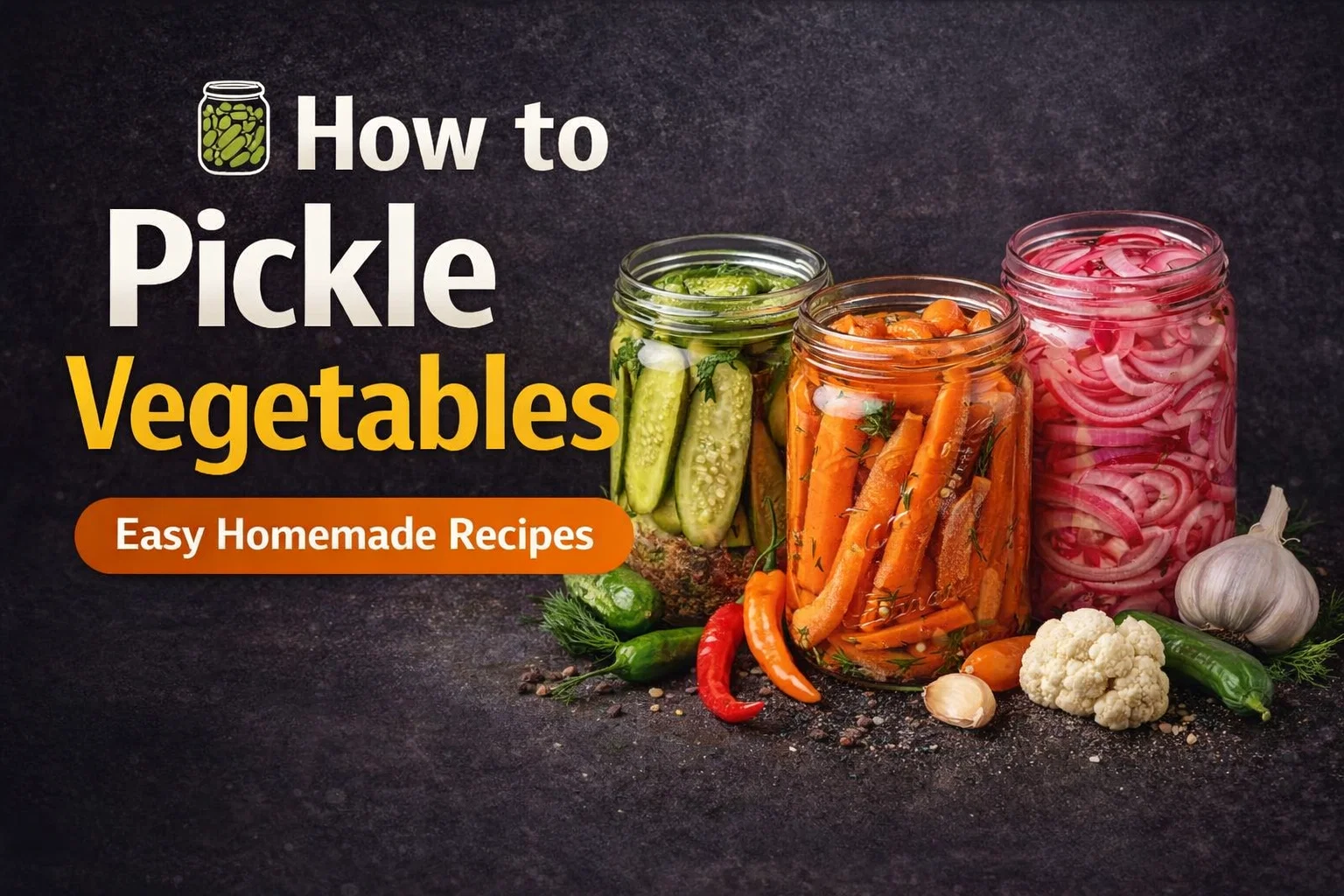
Easy Homemade Pickling Recipes 9 Simple Ways to Pickle Vegetables at Home
Have you ever reached for a jar of pickles at the grocery store, turned it over to read the label, and felt a little overwhelmed by the unrecognizable ingredients? You are definitely not alone. There is something incredibly satisfying about opening a jar of pickles you made yourself, knowing exactly what went into the brine and being able to customize the flavor to your personal taste. Whether you are a fan of that classic, crunchy dill or you find yourself obsessing over zesty pickled red onions on your tacos, pickling at home is easier than you might think.
The beauty of refrigerator pickling, which is the method featured in these guides, is that it bypasses the complex world of water bath canning. You do not need to worry about specialized equipment, pressure gauges, or extensive safety protocols. All you need are some fresh vegetables, a simple brine, and a bit of patience while the flavors meld together in your refrigerator. It is the perfect entry point for anyone looking to dip their toes into food preservation.
Why Should You Start Pickling at Home?
Beyond the obvious benefit of having a delicious, tangy snack on hand, pickling is a culinary superpower. It allows you to transform humble vegetables into bright, acidic accents that can completely elevate a meal. If you have ever felt like a dish was missing a certain something, there is a high probability that a quick-pickled vegetable is exactly what it needed.
The Benefits of DIY Pickles
There are several reasons why so many home cooks are falling in love with this hobby. First and foremost is the control over ingredients. When you make your own, you control the salt, the sugar, and the spices. If you prefer your pickles less sweet or significantly more spicy, you can adjust the recipe on the fly. Second, it is a fantastic way to reduce food waste. That half-head of cauliflower or the stray carrots sitting in your crisper drawer that might otherwise go bad? They are prime candidates for a quick brine.
Finally, there is the sheer convenience. Having a variety of pickled items in your fridge is like having a secret weapon for dinner. You can toss pickled red onions onto a burger, add pickled jalapeños to a bowl of chili, or serve a platter of mixed giardiniera when guests stop by unexpectedly. It adds complexity and depth to your cooking with almost zero effort once the jars are prepared.
Understanding the Basics of Your Brine
At its core, a brine is a simple solution, usually made of water, vinegar, salt, and sometimes sugar. The vinegar provides the necessary acidity, which not only gives pickles that signature tangy flavor but also creates an environment that helps preserve the vegetables. The salt draws out moisture and helps maintain that desired crunch, while the sugar balances out the sharp bite of the vinegar.
While the recipes provided offer a wonderful starting point, understanding the ratio is key. For most quick refrigerator pickles, a ratio of equal parts water and vinegar is a safe and reliable standard. From there, you can adjust based on your preference. For example, if you want a punchier pickle, you can increase the vinegar ratio. If you find the flavor too sharp, adding a bit more sugar or water can mellow it out.
Essential Tools for Success
You do not need an expensive setup to get started. In fact, you likely have everything you need in your kitchen cabinets right now. Here is a quick list of what you should gather before you start your first batch:
-
Mason Jars with Lids: Glass jars are non-reactive and hold up well to acidic brines. Ensure they are clean and free of cracks.
Saucepan: You will need this to heat your brine mixture, which helps the salt and sugar dissolve completely.
Measuring Cups and Spoons: Precision matters, especially when balancing the acidity and sweetness of your brine.
Vegetable Peeler or Sharp Knife: Having a good, sharp knife makes chopping your vegetables into uniform, aesthetically pleasing pieces a breeze.
Deep Dive Into Popular Pickle Styles
Not all pickles are created equal. Different vegetables pair with different flavor profiles. While the foundation of the brine remains similar, the aromatics you choose to add will define the final product.
Classic Dill and Spicy Variations
The iconic dill pickle is a staple for a reason. Using Kirby cucumbers is vital here because they are smaller, firmer, and have a thicker skin than standard slicing cucumbers, meaning they stay crisp longer. When making spicy pickles, you have the flexibility to dial up the heat. Adding red chili flakes or fresh halved chili peppers directly into the jar allows the heat to infuse gradually over the first few days.
Vegetable Versatility
Do not feel restricted to just cucumbers. Pickled red onions are arguably one of the most versatile items you can keep in your fridge. They lose their raw, sharp bite and turn a stunning shade of bright pink, adding a pop of color to any dish. Pickled carrots and cauliflower, on the other hand, retain a wonderful crunch and are excellent for snacking or adding to salads for a bit of extra texture. For a more sophisticated option, giardiniera, or pickled mixed vegetables, combines several textures and flavors into one jar, making it an excellent addition to antipasto platters or sandwiches.
Tips for Maintaining That Perfect Crunch
The biggest complaint home picklers have is losing the crisp texture of their vegetables. Nobody wants a soggy cucumber slice. Fortunately, there are a few expert techniques to ensure your pickles stay snappy.
First, always choose the freshest, firmest vegetables available. If a vegetable is starting to go soft before it even hits the brine, it will never be crunchy afterward. Second, consider the salt. Using a proper pickling or kosher salt is better than using standard table salt, which often contains anti-caking agents that can turn your brine cloudy.
Lastly, temperature matters. If you are pouring a hot brine over your vegetables, do not feel like you have to let them sit out on the counter for hours. As soon as the ingredients are assembled in the jar and the brine is poured over, seal the jar and place it in the refrigerator. The rapid cooling helps lock in the texture of the vegetables.
Wrapping Up Your Pickling Journey
Pickling at home is much more than just a way to save vegetables; it is a rewarding way to bring more flavor and creativity into your daily meals. By starting with these simple, refrigerator-style recipes, you can quickly build your confidence and begin experimenting with your own unique spice blends and vegetable combinations. It is a hobby that offers almost immediate gratification and delicious rewards for very little investment.
So, the next time you see a great deal on fresh produce at the farmers market or realize you have a few extra vegetables taking up space, do not hesitate. Grab some jars, prepare your brine, and enjoy the process of turning simple ingredients into something truly special. Your future self, and your next sandwich, will thank you for it. Happy pickling!