Easy School Cafeteria Meatloaf Recipe Classic Old Fashioned Comfort Food Dinner ideas
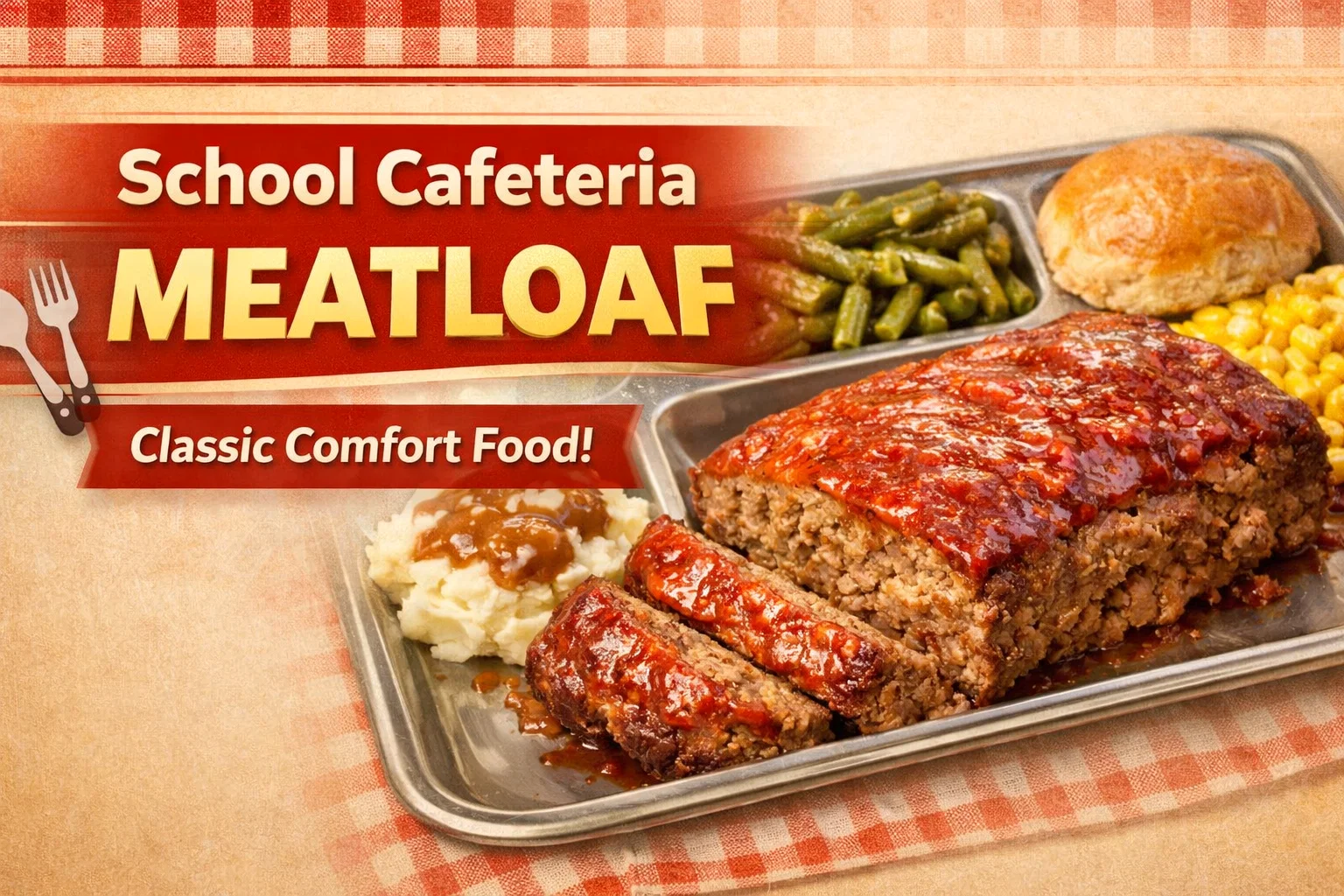
There is something undeniably magical about the smell of a home-cooked meal wafting through the kitchen, especially when that scent triggers a wave of happy memories. For many of us, the ultimate comfort food wasn’t found in a five-star restaurant, but rather on a partitioned plastic tray in the school cafeteria. While institutional food often gets a bad reputation, the school cafeteria meatloaf was the shimmering exception. It was hearty, savory, and topped with a sticky, sweet glaze that made every bite feel like a hug. Today, we are diving deep into how you can recreate that nostalgic masterpiece right in your own oven.
The Magic of the School Cafeteria Meatloaf
Why does this specific version of meatloaf hold such a special place in our hearts? Unlike gourmet versions that use expensive blends of veal or pork, the classic school version relies on simple, honest ingredients. It is about the texture and the balance of flavors. By using a specific ratio of ground beef and a generous amount of pan-filler—like bread crumbs or crackers—the loaf stays tender and moist rather than becoming a dense, heavy brick of meat.
This recipe is the definition of approachable cooking. You do not need professional culinary training or a pantry full of exotic spices. You just need a few staples, a 9×13 inch pan, and a little bit of patience while it bakes to perfection. It is the kind of meal that brings the whole family to the table, eager for seconds.
Breaking Down the Ingredients
To achieve that authentic vintage flavor, we have to look at the components that make this dish a success. Each ingredient plays a vital role in the structure and taste of the final product. Here is what you will need to gather before you start mixing:
The Meat Base
For the best results, stick with 80/20 ground beef. While it might be tempting to go for a leaner cut, the fat content is what prevents the meatloaf from drying out during the long baking process. That fat renders down and mingles with the bread crumbs, creating a rich, melt-in-your-mouth consistency.
The Binding Agents
The secret to a meatloaf that does not crumble the moment you slice it lies in the binders. This recipe uses a combination of milk, eggs, and bread crumbs. Soaking the crumbs in the milk for a minute or two before adding the meat creates a “panade.” This technique is a pro-chef secret for keeping ground meat dishes incredibly moist.
The Seasoning Profile
We are keeping it classic here. A blend of onion powder, garlic powder, and paprika provides a foundational warmth. However, the real star of the show is the Worcestershire sauce. It adds a deep, umami punch that elevates the beef without being overpowering. Fresh diced onion adds a bit of texture and natural sweetness that develops as it roasts.
Step-by-Step Instructions for Success
Follow these steps to ensure your meatloaf turns out just like the one Recipe Momma would be proud of. Consistency is key when you are aiming for that nostalgic school-day perfection.
- Prep the Oven and Pan: Start by preheating your oven to 350 degrees Fahrenheit. While that is warming up, lightly grease a 9×13 inch baking pan. Using a larger pan allows the edges of the meatloaf to caramelize slightly rather than just steaming in its own juices.
- Hydrate the Crumbs: In a large mixing bowl, combine your milk and bread crumbs. Let them sit for about two minutes. This ensures every crumb is saturated, which is the key to that tender “cafeteria” texture.
- Combine with Care: Add your ground beef, lightly beaten eggs, diced onion, and all your spices to the bowl. Here is a major tip: Mix gently. If you overwork the meat, it will become tough. Use your hands or a sturdy spoon just until everything is evenly distributed.
- Shape the Loaf: Form the mixture into a uniform loaf shape and place it in the center of your prepared pan. Try to keep the thickness even so it cooks at the same rate throughout.
- The Iconic Topping: In a small bowl, whisk together the ketchup, brown sugar, and yellow mustard. Spread this generously over the top of the loaf. This glaze will thicken and bubble into a delicious crust as it bakes.
- Bake and Measure: Slide the pan into the oven and bake for 60 to 75 minutes. You are looking for an internal temperature of 160 degrees Fahrenheit.
Why the Glaze Matters
If you ask anyone what they remember most about school meatloaf, they will almost always mention the topping. The combination of ketchup and brown sugar creates a sweet base, but the addition of yellow mustard provides a necessary acidic tang that cuts through the richness of the beef. As it bakes, the sugar carmelizes, creating a shiny, finger-licking coating that is essential to the experience. Do not skip the mustard; it is the “hidden” ingredient that makes people wonder why your version tastes so much better than theirs.
Perfect Pairings: Completing the Meal
To truly lean into the theme, you should serve this meatloaf with the classic sides. A school lunch wasn’t complete without a few specific companions on the plate. Here are the best ways to round out your dinner:
- Mashed Potatoes and Gravy: A creamy scoop of potatoes is the perfect vessel for any extra meatloaf glaze or a simple brown gravy.
- Buttered Corn: The sweetness of the corn complements the savory beef beautifully.
- Steamed Green Beans: For a pop of color and a fresh crunch, green beans are a must-have.
- Soft Dinner Rolls: Use these to mop up every last bit of flavor from your plate.
Common Mistakes to Avoid
Even a simple recipe can go awry if you aren’t careful. To ensure your meatloaf is a triumph every single time, keep these common pitfalls in mind:
Using Meat That Is Too Lean
If you use 90/10 or 95/5 beef, your meatloaf will likely be dry and crumbly. The 80/20 ratio is the gold standard for a reason. If you are worried about grease, you can always drain the pan halfway through cooking or use a broiler pan that allows the fat to drip away from the loaf.
Over-Mixing the Ingredients
Treat your meatloaf mix like muffin batter. The more you handle it, the more the proteins in the meat knit together, resulting in a rubbery texture. Stop mixing the moment you can no longer see streaks of egg or clumps of dry spices.
Cutting Too Soon
This is perhaps the hardest part of the process. When the timer goes off, the meatloaf needs to rest. During those ten minutes on the counter, the juices redistribute throughout the meat. If you cut it immediately, all that moisture will run out onto the pan, leaving you with dry slices.
Variations for a Modern Twist
While we love the traditional recipe, there is always room for a little bit of creativity. If you want to put a modern spin on this classic, consider these simple swaps:
Swap the Crumbs
Try using crushed Ritz crackers for a more buttery flavor, or use Panko bread crumbs for a slightly lighter texture. If you want a gluten-free version, crushed pork rinds work surprisingly well as a binder.
Spice It Up
Add a finely chopped bell pepper or a small can of diced green chiles to the meat mixture for extra depth. You could also swap the ketchup glaze for a spicy BBQ sauce if you prefer a smoky finish.
Mini Meatloaves
If you are cooking for kids or want faster results, try pressing the mixture into a greased muffin tin. These “meatloaf cupcakes” cook in about half the time and provide everyone with their own individual portion of glaze.
The Versatility of Leftovers
One of the best things about making a large meatloaf is the potential for leftovers. In fact, some people argue that the meatloaf sandwich is even better than the original dinner. Simply slice a piece of cold meatloaf, give it a quick sear in a pan to crisp up the edges, and serve it on toasted white bread with a little extra mayo and ketchup. It is the ultimate lunch the following day.
You can also crumble leftover meatloaf into a tomato sauce for a quick “bolognese” style pasta or use it as a filling for hearty stuffed peppers. Because the meat is already seasoned and cooked, it adds an incredible layer of flavor to whatever new dish you create.
Conclusion: A Timeless Favorite
The school cafeteria meatloaf is more than just a recipe; it is a piece of culinary history that reminds us of simpler times. It proves that you do not need fancy ingredients to create a meal that is genuinely satisfying and loved by all generations. By following these steps and using the right balance of binders and seasonings, you can bring that nostalgic comfort right into your own dining room.
Whether you are introducing your children to this classic for the first time or revisiting it yourself after many years, this recipe is sure to become a staple in your household. So, grab your apron, preheat that oven, and get ready to enjoy a slice of pure, unadulterated comfort food. Your taste buds—and your memories—will thank you.