Easy Sewing Hack for Perfect Pleats on Your Industrial Machine
Stepping up to an industrial sewing machine for the first time can feel like sitting in the driver seat of a high performance sports car. It is powerful, fast, and remarkably precise. However, the real magic happens when you learn how to manipulate that power to create intricate details like perfect pleats. If you have ever struggled with uneven folds or fabric that seems to have a mind of its own under the presser foot, you are not alone. Mastering the art of the perfect pleat is a rite of passage for every serious sewist. By focusing on the intersection of machine mechanics and hand coordination, you can transform a simple piece of patterned fabric into a structured masterpiece.
The Power of the Industrial Sewing Machine for Pleating
Unlike domestic machines, industrial sewing machines are built for one thing: consistent, high speed production. When it comes to pleating, this power is a double edged sword. The feed dogs are much stronger, meaning they pull the fabric through with significant force. This is excellent for maintaining a straight stitch, but it requires a steady hand to ensure your pleats do not shift out of alignment before the needle hits the fabric.
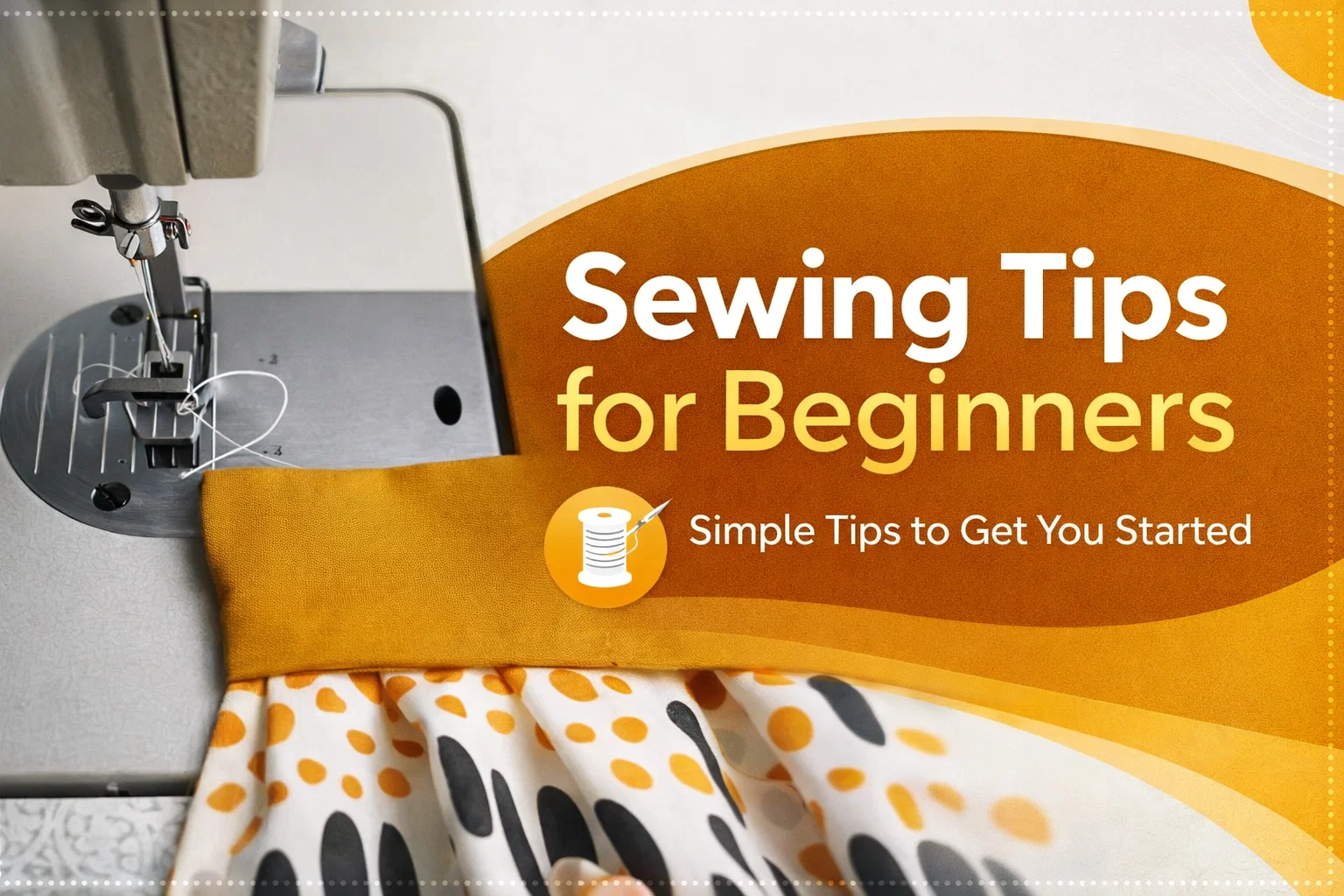
The image of a steady hand guiding a vibrant, polka dot fabric under the needle captures the essence of this craft. It shows the transition from raw material to a finished, professional edge. Using an industrial machine allows you to handle heavier fabrics and multiple layers with ease, which is often necessary when creating deep box pleats or tight knife pleats for skirts and home upholstery.
Essential Tools for Precision Pleating
While your machine does the heavy lifting, a few specialized tools can make the process of creating uniform pleats much easier. You do not always need high tech gadgets; sometimes, the simplest items in your sewing kit are the most effective.
The Role of the Gathering Foot
A gathering foot is a common attachment for industrial machines that slightly offsets the feed of the fabric to create natural bunches. While not a direct “pleater,” it helps in managing the volume of fabric. For true, crisp pleats, many professionals prefer using a ruffler attachment. This complex looking tool actually tucks the fabric at set intervals, allowing you to “set it and forget it” while the machine does the folding for you.
The Importance of a Seam Guide
Look closely at the metal plate of your sewing machine. Those etched lines are not just for decoration. A magnetic seam guide or even a piece of high quality painter’s tape can act as a physical barrier to keep your fabric edge perfectly straight. When you are folding pleats by hand as you sew, having a consistent reference point for the edge of the fabric ensures that your pleated section remains level throughout the entire length of the project.
Step by Step Guide to Hand Folding Pleats While Sewing
Many experienced tailors prefer the “fold as you go” method because it offers the most control over the final look. This technique requires a bit of rhythm and a lot of practice, but the results are incredibly rewarding. Here is how you can master this manual approach on your industrial machine.
- Mark Your Fabric: Use a fabric chalk or a disappearing ink pen to mark the “fold” and “placement” lines. This takes the guesswork out of the process and ensures every pleat is the exact same width.
- Set Your Stitch Length: For pleating, a slightly longer stitch length (around 3.0mm to 3.5mm) is often ideal. It allows the fabric to sit flatter and makes it easier to unpick if you make a mistake.
- The Finger Press: As you approach the needle, use your fingers to fold the fabric over to the next mark. Give it a firm press against the machine bed to “set” the fold before it passes under the presser foot.
- Control the Speed: Even though industrial machines can go incredibly fast, keep a steady, moderate pace. Use the foot pedal to “pulse” the motor so you have time to adjust your folds.
Choosing the Right Fabric for Pleated Projects
Not all fabrics are created equal when it comes to holding a fold. The success of your pleating project often starts at the fabric store. If you are looking for that crisp, high end look seen in the image, you want a fabric with a bit of “memory.”
Cotton and Linen Blends
Natural fibers like cotton and linen are the gold standard for beginners. They take a press beautifully and stay where you put them. A medium weight cotton with a bold print, like the black and yellow pattern in our visual example, provides enough structure to hold a pleat without becoming too bulky for the machine to handle.
Synthetic Fabrics and Heat Setting
Polyester and other synthetics can be trickier because they tend to “bounce” back. To get permanent pleats in synthetic materials, you often need to use a combination of high heat and a pressing cloth. Some professionals even use a “clapper” (a heavy wooden block) to trap the steam in the fabric and force it into a sharp crease.
Common Challenges and How to Overcome Them
Even with the best equipment, pleating can present a few hurdles. One of the most common issues is “pleat creep,” where the pleats gradually become narrower or wider as you move down the seam. This usually happens because the top layer of fabric is being pushed differently than the bottom layer.
To fix this, try reducing the presser foot pressure. Most industrial machines have a large screw on the top of the machine head. Loosening this slightly will prevent the foot from “shoving” the top fold out of place. Another tip is to use “wonder clips” or pins to secure the folds a few inches ahead of the needle, giving you a safety net as you sew.
Maintenance for Your Industrial Machine
If you are doing a lot of heavy pleating, you are putting your machine to work. Thick layers of fabric require the needle to punch through significant resistance. Make sure you are using a fresh, sharp needle (size 14 or 16 is usually best for multiple layers). Also, remember to oil your machine daily. Industrial machines have high friction parts that need constant lubrication to stay quiet and efficient.
Cleaning the Bobbin Area
Pleating creates a lot of lint, especially if you are working with cotton. At the end of every project, remove the needle plate and use a small brush to clear out the dust around the bobbin case and feed dogs. This prevents skipped stitches and ensures your machine continues to run like a dream.
The Creative Side of Pleating
Beyond the technical skill, pleating is a wonderful way to add personality to your sewing. You can play with “knife pleats” that all face one direction for a sleek, modern look, or “box pleats” that create volume and a more traditional aesthetic. By mixing patterns (like a solid mustard yellow waistband against a polka dot skirt), you create visual interest that draws the eye to your craftsmanship.
Think about the direction of your pattern as well. A vertical stripe can look completely different once it is pleated, creating a “hidden” design that only appears as the wearer moves. This is the level of detail that separates amateur projects from professional garments.
Final Thoughts on Mastering the Stitch
Success in sewing is rarely about having the most expensive tools. Instead, it is about the relationship between the maker and the machine. As you guide your fabric through those powerful industrial feed dogs, you are participating in a long tradition of garment construction. Every perfect pleat is a testament to your patience and attention to detail. Do not be afraid to experiment with different fabrics and fold widths. The more you practice, the more intuitive the process will become.
Whether you are building a small business or just enjoying a weekend hobby, the industrial sewing machine is your best ally. It offers the speed you need to finish projects and the precision required for high quality work. Take your time, mark your lines, and enjoy the rhythmic click of the needle as you create something beautiful. Every stitch brings you one step closer to mastery. Keep practicing, stay curious, and most importantly, keep creating. Your next masterpiece is just a few pleats away.
As you continue your sewing journey, remember that even the most complex designs are just a series of simple steps executed with care. The confidence you gain from mastering pleats on an industrial machine will spill over into every other aspect of your craft. Soon, you will be tackling even more challenging techniques with ease. Happy sewing!