Elegant Plus Size Womens Blazer Coat Sophisticated Apricot Longline Jacket For Fall
Bringing a toddler to the dinner table can sometimes feel like a high-stakes negotiation where the currency is broccoli and the reward is a clean floor. If you have ever stared at a crown of steamed greens only to have it launched across the room like a tiny, fibrous missile, you are not alone. Parenting in the early years is a constant balance between nutritional goals and the reality of a picky eater’s palate. However, the secret to winning the mealtime war is not force; it is creativity, simplicity, and a little bit of kitchen magic.
The Art of the Quick and Easy Toddler Lunch
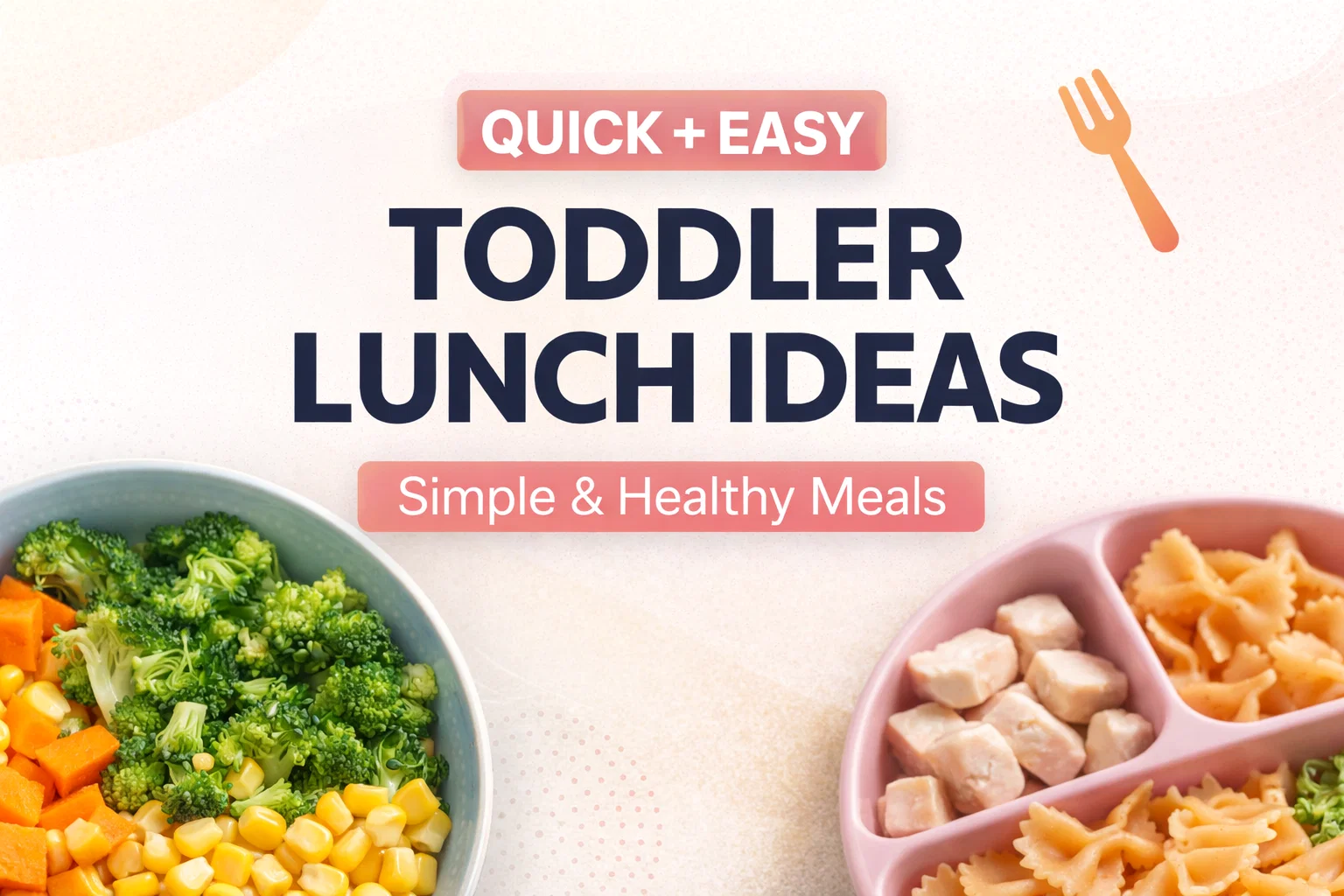
When we talk about a quick and easy toddler lunch, we are looking for the holy grail of parenting: a meal that takes less than ten minutes to prep, offers high nutritional value, and actually looks appealing to a two year old. Toddlers eat with their eyes first, but they also eat with their sense of autonomy. Providing them with bite-sized, manageable portions like the chopped broccoli seen in our featured recipe allows them to feel in control of their dining experience.
The beauty of starting with a simple base of finely chopped broccoli is the versatility it offers. You are not just serving a vegetable; you are creating a foundation for a nutrient-dense masterpiece. Whether you are mixing it into a cheesy pasta, folding it into an omelet, or using it as a topper for a mini pizza, the goal is to make the healthy stuff the easiest stuff to eat.
Why Broccoli is the Ultimate Superfood for Growing Tots
It is no secret that broccoli is a nutritional powerhouse. For a growing toddler, these miniature trees provide a wealth of benefits that support everything from bone development to immune health. When you incorporate a 1/4 cup of chopped broccoli into a midday meal, you are delivering a concentrated dose of essential vitamins.
Key Nutritional Benefits
- Vitamin C for Immunity: Just a small serving provides a significant portion of a child’s daily requirement, helping to ward off those inevitable preschool sniffles.
- Fiber for Digestion: Keeping a toddler’s digestive system moving is crucial for their overall comfort and mood. The fiber in broccoli acts as a natural regulator.
- Calcium and Vitamin K: These are the building blocks for strong bones, which is vital during the rapid growth spurts of the toddler years.
- Iron Content: While not as high as red meat, broccoli contributes to iron intake, supporting healthy blood and energy levels.
By chopping the broccoli finely, as shown in the image, you increase the surface area for flavors to latch onto. This makes it much easier to “hide” or blend into other foods if your little one is currently in a phase where they refuse anything green on sight.
Simple Recipes Using Chopped Broccoli
If you have your measuring cup full of fresh, chopped broccoli ready to go, the possibilities are endless. You do not need a culinary degree to make these work; you just need a few pantry staples and about five minutes of stovetop time.
The Five-Minute Broccoli Cheesy Mac
Standard macaroni and cheese is a toddler staple, but it often lacks fiber. By tossing your finely chopped broccoli directly into the boiling pasta water during the last two minutes of cooking, you soften the veggie perfectly without needing an extra pot. Stir in your cheese sauce as usual, and the broccoli bits will cling to the noodles, ensuring a healthy bite every time.
Broccoli and Cheddar Egg Bites
Whisk two eggs with a splash of milk and your 1/4 cup of broccoli. Pour the mixture into a greased muffin tin or a small skillet. These egg bites are soft, easy for little fingers to grip, and packed with protein. They also freeze beautifully, making them the ultimate “emergency” lunch for busy weekdays.
The “Green” Quesadilla
Spread a thin layer of shredded mild cheddar or mozzarella on a small flour tortilla. Sprinkle the chopped broccoli evenly over the cheese and fold it in half. Heat it in a dry pan until the cheese is gooey and the tortilla is golden. The melted cheese acts as a “glue,” keeping the broccoli inside the quesadilla rather than on the high chair tray.
Shutterstock
Explore
Tips for Managing Picky Eaters
We have all been there: you prepare a beautiful, balanced meal, and your toddler decides that today, green is the color of the enemy. Dealing with picky eating is a marathon, not a sprint. The key is exposure without pressure. Even if they don’t eat the broccoli today, having it on the plate or mixed into a familiar food counts as a “win” in the world of sensory processing.
Try using fun shapes or colorful plates to distract from the “healthiness” of the meal. Sometimes, calling broccoli “dinosaur trees” or “tiny forests” can change the entire narrative. When children feel like they are part of a story or a game, they are much more likely to try a new texture. Additionally, let them help with the prep! If a toddler helps “dump” the measuring cup of broccoli into the bowl, they feel a sense of ownership over the meal that often leads to a higher chance of them actually tasting it.
Texture Matters: Raw vs. Steamed
For many toddlers, the issue with vegetables isn’t the taste, but the texture. Raw broccoli can be quite hard and difficult for small teeth to grind down, which can lead to frustration or a choking hazard. Conversely, mushy, overcooked broccoli can be unappealingly slimy.
The sweet spot is “fork-tender.” You want the broccoli to be soft enough that you can mash it with a fork against the roof of the mouth, but firm enough that it holds its shape. Steaming is generally the best method for preserving both the vibrant green color and the heat-sensitive vitamins like Vitamin C. A quick three-minute steam is usually all it takes for finely chopped pieces to reach the perfect consistency for a toddler’s palate.
Scaling Your Meal Prep
If you find that your toddler actually enjoys the “quick and easy” broccoli lunch, consider scaling up. You can chop a whole head of broccoli at the start of the week and keep it in an airtight container with a damp paper towel. This keeps the bits fresh and ready to be scooped out in 1/4 cup increments whenever hunger strikes. It turns a “cooking task” into a “serving task,” which is exactly what a tired parent needs at 12:00 PM on a Tuesday.
Storing and Reheating
Leftover broccoli dishes can be kept in the fridge for up to three days. When reheating, avoid the microwave if possible, as it can make the vegetables rubbery. A quick toss in a warm pan with a tiny bit of butter or olive oil will revive the texture and flavor, making it taste just as good as it did when it was fresh.
Conclusion: Small Bites, Big Impact
At the end of the day, feeding a toddler is about more than just calories; it is about building a foundation for a lifetime of healthy habits. By focusing on simple, manageable ingredients like chopped broccoli, you are taking the stress out of the kitchen and putting the focus back on the joy of discovery. These small, green florets might seem insignificant, but they represent a commitment to growth, health, and the beautiful chaos of family life.
Remember that every child is different, and what works one day might not work the next. Stay patient, keep the recipes simple, and don’t be afraid to get a little messy. Whether it is a cheesy broccoli bake or a simple veggie-loaded quesadilla, you are doing a great job providing for your little one. Keep experimenting, keep chopping, and eventually, those “dinosaur trees” will become a favorite staple at your table.
Would you like me to generate some specific toddler-friendly snack ideas to pair with this lunch?