Emergency Survival Kit Checklist Essential Items for Your Go Bag Poster
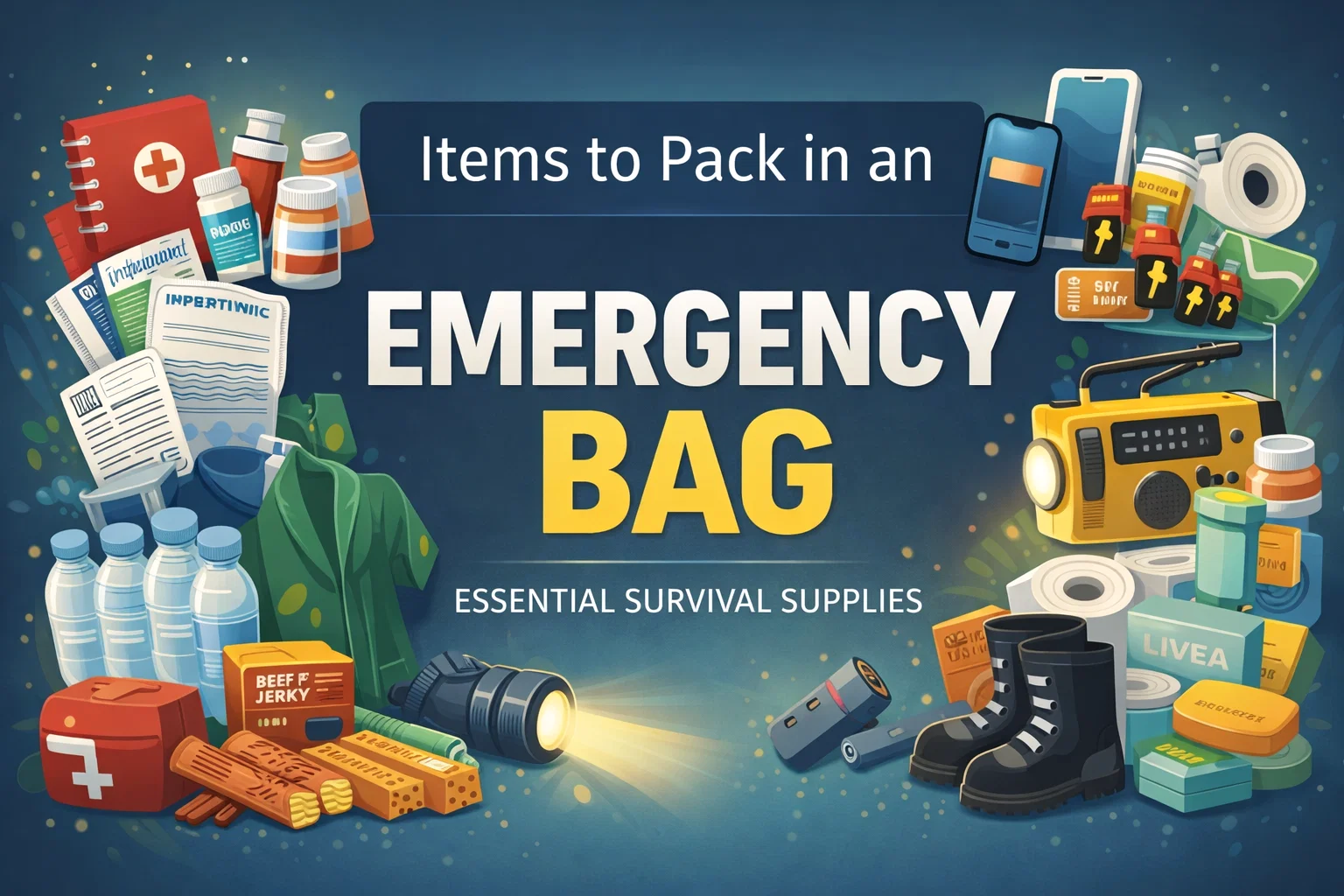
Preparing for the unexpected is one of the most responsible things you can do for yourself and your loved ones. We often think of emergencies as distant possibilities, but having a well-thought-out plan can make a world of difference when every second counts. The visual guide we are looking at today provides a comprehensive roadmap for building a survival kit that is both practical and life-saving. Whether you are prepping for a natural disaster, a sudden power outage, or an emergency evacuation, having a “Go Bag” ready to move ensures you aren’t scrambling for essentials in a moment of panic.
The beauty of a well-organized emergency bag is that it balances necessity with portability. You don’t need to pack your entire house, but you do need specific items that address human needs: hydration, nutrition, communication, and safety. In this guide, we will break down the crucial categories highlighted in our survival poster to help you build a kit that is tailored to your environment and family needs.
The Foundation of Survival: Food and Water
Without water and energy, the human body quickly loses its ability to think clearly and perform physical tasks. In any crisis, your first priority is ensuring a clean supply of hydration and calorie-dense food that won’t spoil over time.
Hydration and Purification
Water is heavy, but it is non-negotiable. Experts generally recommend at least one gallon of water per person per day. However, if you are on the move, carrying several gallons is impossible. This is where purification tools become your best friend. Packing water purification tablets or a portable water filter like a Lifestraw allows you to source water from streams or rain barrels safely. Always include a durable, BPA-free water bottle to store your treated water.
High-Energy Nutrition
When it comes to food, think about “shelf-stable” and “high-calorie.” You aren’t cooking a gourmet meal; you are fueling a machine. Protein bars, granola bars, and trail mix are excellent because they provide a mix of fats, proteins, and sugars. Beef jerky is another lightweight option that packs a protein punch. Don’t forget small packets of peanut or almond butter; they are calorie gold mines and can be eaten straight from the pouch. If you pack canned goods, ensure you have a manual can opener in the bag, or you will be staring at a meal you cannot reach.
The First Aid Kit: Beyond Just Bandages
In an emergency, a small scratch can become a big problem if not treated. A robust first aid kit is the centerpiece of any emergency bag. It should be stored in a waterproof container and checked every six months to ensure nothing has expired.
Essential Medical Supplies
Your kit should include gauze pads, antiseptic wipes, and a variety of bandages. For pain relief and inflammation, keep a supply of ibuprofen or acetaminophen. An antibiotic ointment is vital for preventing infection in cuts or scrapes. If you live in a warmer climate or expect physical exertion, a cold pack can help manage swelling or heat-related injuries.
Prescription Management
One often overlooked detail is personal medication. If you or a family member relies on specific prescriptions, try to keep a 3-day supply in your bag. Along with the physical pills, include a written list of the dosages and the conditions they treat. This information is invaluable if you need to seek help from emergency medical personnel who don’t know your history.
Safety Gear and Tools for Every Situation
Safety gear is what allows you to interact with your environment effectively. It helps you see, stay warm, and signal for help when the grid goes down.
Lighting and Signaling
When the lights go out, a reliable flashlight or LED camping lantern is essential. Flashlights are great for focused tasks, while lanterns provide ambient light for a room or tent. Emergency light sticks (glow sticks) are also fantastic because they require no batteries and work even if they get wet. For signaling, a high-decibel whistle is much more effective than shouting, as it carries further and saves your breath.
Multi-Purpose Tools
Space is limited, so tools that perform multiple functions are worth their weight in gold. A multitool (like a Swiss Army knife or Leatherman) can handle everything from cutting cordage to tightening a screw. Additionally, include a flint or waterproof matches. The ability to start a fire for warmth or cooking is a foundational survival skill. For structural needs or quick repairs, a roll of duct tape is the ultimate “fix-it” solution that should be in every bag.
Staying Connected: Communication and Power
In a modern emergency, information is just as important as food. Knowing where the storm is headed or where the nearest relief station is located can save your life.
Reliable Communication Devices
While we all rely on our cellphones, towers can become congested or lose power. A hand-crank radio is a vital backup. These devices often receive NOAA weather alerts and can be powered by a manual lever if you run out of batteries. Speaking of batteries, always pack a laminated emergency contact sheet. If your phone dies and you can’t remember your spouse’s or parent’s phone number, having it written down ensures you can use a different phone to reach them.
The Power Problem
Keep your electronics alive with fully charged portable chargers and cables. Solar chargers are a great long-term option, but a high-capacity power bank is usually enough for a 72-hour window. Always pack extra batteries for your flashlights and radios. Store them in a small plastic bag to prevent any terminal corrosion from ruining your other gear.
Clothing and Protection from the Elements
Hypothermia and exposure are leading causes of injury during disasters. Your clothing choices should focus on moisture management and temperature regulation.
Layering for Success
Pack at least 3 days worth of clothing, focusing on synthetic or wool materials rather than cotton, which stays wet and cold. This includes tops, bottoms, underwear, and several pairs of socks. Keeping your feet dry is critical to maintaining mobility. A waterproof rain jacket or poncho with a hood will keep you dry during transit, and a pair of waterproof shoes or boots will protect you from debris and puddles.
Emergency Shelter
Sometimes you might not have access to a tent or a building. Emergency thermal blankets (often called space blankets) are lightweight, thin, and reflect your body heat back to you. They take up almost no space and can be used to treat shock or keep you warm during a cold night outdoors.
Hygiene and Sanitation: Maintaining Health and Morale
When you can’t shower, hygiene becomes a matter of health. Preventing the spread of bacteria is key to staying strong during a crisis.
Daily Cleanliness
Keep hand sanitizers, bars of soap, and toothpaste and toothbrushes in your kit. These small comforts go a long way in boosting morale and keeping you feeling human. For women, including feminine products is a must. These items can also serve dual purposes in a first aid emergency as extra absorbent padding for wounds.
Waste Management
If plumbing is unavailable, you need a plan. Ziplock bags of varying sizes are useful for disposing of waste or keeping your clean items dry. A few Sharpie pens and a notebook can be used to leave notes for rescuers or track your supplies as you use them.
The Extras: Pets, Cash, and Comfort
Your emergency bag should reflect your specific life situation. This means looking beyond the basics of human survival.
Pet Preparedness
If you have furry friends, they need their own supplies. Pack dry pet packets and any pet medications they might need. A collapsible water bowl is also a great addition. Pets often get stressed during emergencies, so having their familiar food can help keep them calm.
Cash and Documents
In a widespread power outage, credit card machines will be down. Carrying cash in small denominations (ones, fives, and tens) in a waterproof container is vital. You might need to buy gas, food, or supplies from individuals who cannot process digital payments. Along with cash, keep copies of your ID, insurance policies, and birth certificates in a sealed bag.
Conclusion: Start Building Your Bag Today
Building an emergency bag can feel overwhelming, but you don’t have to do it all at once. Start with the basics: water, a flashlight, and a first aid kit. Over the next few weeks, add the tools, clothing, and food items. The goal isn’t to be a master survivalist, but to be a prepared individual who can take care of themselves and their family when the unexpected happens.
Once your bag is packed, store it in an easy-to-reach location, such as a coat closet or near the garage door. Set a calendar reminder every six months to swap out your water and food and to check the batteries. Preparation is a process, not a one-time event. By following the visual guide provided in the survival poster, you are taking a giant leap toward safety and peace of mind. Stay safe, stay prepared, and remember that the best time to prepare for an emergency was yesterday, but the second best time is right now.