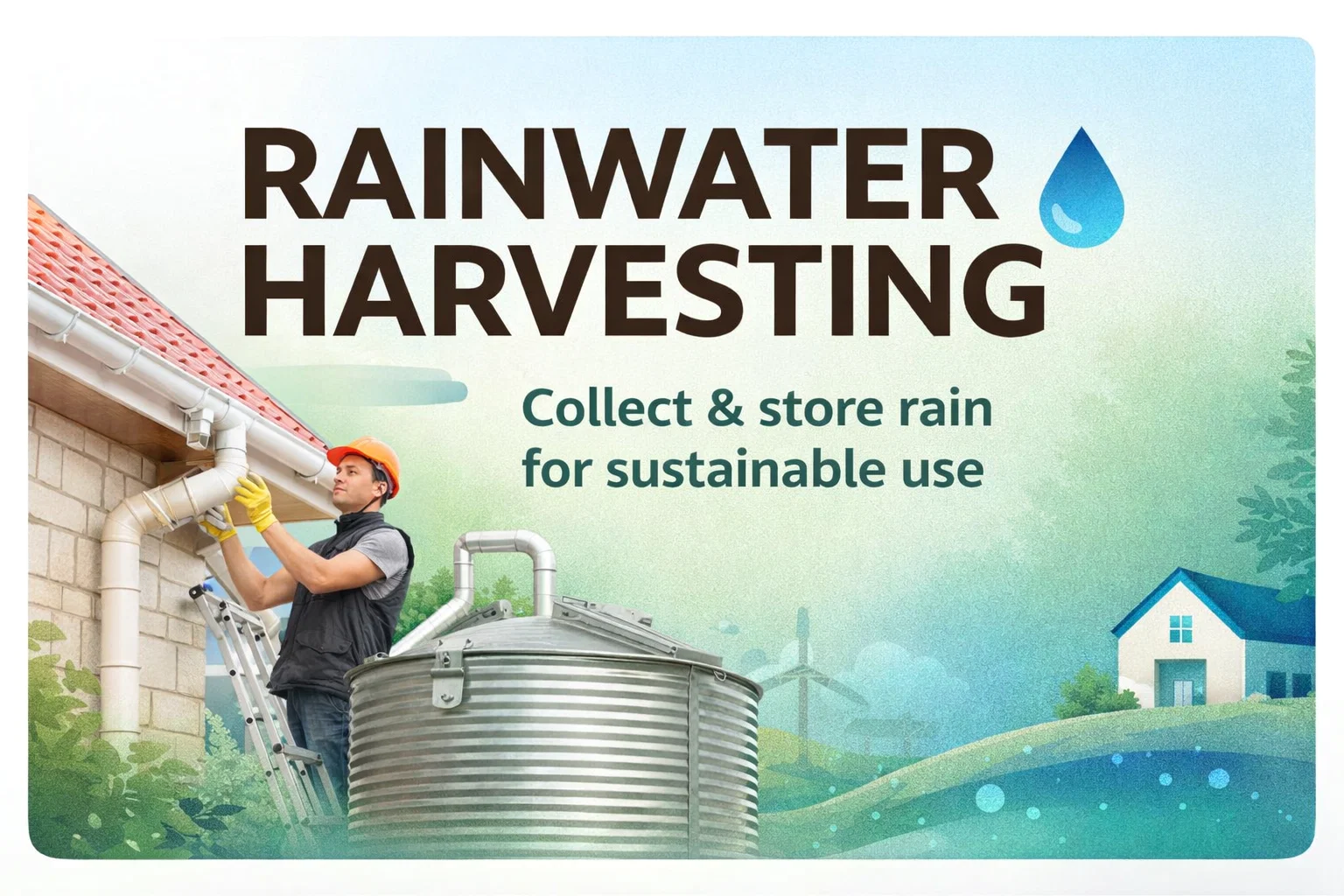
Essential Guide to Rainwater Harvesting Home-Scale System Design Sustainable Building
Embracing a sustainable lifestyle often starts with the most fundamental element of life: water. As we look toward more resilient ways of living, rainwater harvesting has emerged as a cornerstone of the modern eco-friendly home. It is not just about catching a bit of rain in a barrel for your garden; it is about designing a sophisticated, home-scale system that reduces your reliance on municipal infrastructure and honors the natural water cycle. By capturing the soft, nutrient-rich water that falls on your roof, you are taking a massive step toward self-sufficiency and environmental stewardship.
The Fundamentals of Home-Scale Rainwater Harvesting
Before diving into the technical aspects of pipes and tanks, it is important to understand what rainwater harvesting actually entails. At its simplest, it is the collection and storage of rain for later use. In a residential context, this usually means directing the runoff from your roof through a series of gutters and downspouts into a storage vessel. The beauty of these systems lies in their scalability. Whether you live on a small urban lot or a sprawling rural property, there is a design that can fit your specific needs and budget.
The core components of any system include the catchment surface, the conveyance system, the filtration units, and the storage tank. Each of these parts must work in harmony to ensure that the water collected is clean and the system remains durable over many seasons. When you start thinking about your own home-scale design, you are essentially becoming a micro-manager of your local watershed. It is an empowering process that connects you directly to the seasons and the climate of your region.
Why Harvesting Rainwater is a Game Changer for Your Property
There are numerous benefits to implementing a rainwater collection system that go far beyond just saving a few dollars on your monthly water bill. First and foremost is the quality of the water. Rainwater is naturally soft and free of the chlorine, fluoride, and other chemicals often found in city water. This makes it the absolute best choice for your plants and soil. Many gardeners notice a significant “green up” after a rainstorm that tap water simply cannot replicate, and having a stored supply of this “liquid gold” ensures your landscape thrives even during dry spells.
Furthermore, rainwater harvesting plays a vital role in managing stormwater runoff. In many developed areas, rain hits hard surfaces like roofs and driveways, picks up pollutants, and rushes into storm drains, often causing erosion and flooding in local waterways. By intercepting that water on your property, you are reducing the burden on municipal systems and helping to recharge local groundwater levels. It is a proactive way to mitigate the “urban heat island” effect and contribute to the overall health of your local ecosystem.
Financial and Practical Independence
From a practical standpoint, having a dedicated water source provides a sense of security. In areas prone to drought or water restrictions, a well-designed harvesting system can be the difference between a parched yard and a flourishing food forest. Over time, the investment in a high-quality tank and filtration system pays for itself through reduced utility costs. It also adds significant value to your property, as sustainable features are increasingly sought after by conscious homebuyers who prioritize resilience and efficiency.
Designing Your System: Catchment and Conveyance
The journey of a raindrop begins on your roof, which serves as your primary catchment surface. The material of your roof matters significantly if you plan to use the water for anything beyond basic irrigation. Metal roofs are often considered the gold standard for harvesting because they are smooth, durable, and do not shed debris like asphalt shingles might. However, with proper filtration, almost any roof type can be utilized. The key is to calculate your “harvesting potential” by measuring the square footage of your roof and multiplying it by your average annual rainfall.
Once the rain hits the roof, it needs a clear path to your storage tank. This is where your gutters and downspouts come into play. It is essential to ensure these are sized correctly to handle heavy downpours without overflowing. Leaf guards and debris screens are non-negotiable additions here. They act as the first line of defense, keeping leaves, twigs, and bird droppings out of your pipes. A clean conveyance system is the secret to a low-maintenance harvesting setup that lasts for decades.
The Importance of the First Flush Diverter
One of the most critical but often overlooked components of a home-scale system is the first flush diverter. When it starts to rain after a dry period, the first bit of water washing off your roof is likely to carry dust, pollen, and other contaminants. A first flush diverter is a simple PVC chamber that captures this initial “dirty” water and prevents it from entering your main storage tank. Once the chamber is full, a ball float seals it off, allowing the subsequent clean rainwater to flow directly into your reservoir. This one small addition significantly improves the quality of your stored water and reduces the frequency of tank cleaning.
Selecting the Right Storage Tank
The heart of your rainwater harvesting system is the storage tank, often referred to as a cistern. Choosing the right tank involves balancing your water needs with your available space and aesthetic preferences. Modern tanks come in a variety of materials, including UV-stabilized plastic, corrugated metal, and even concrete or ferrocement. Plastic tanks are popular for their ease of installation and affordability, while metal tanks offer a classic, industrial look that fits well with many architectural styles.
Placement is another key consideration. If possible, place your tank on the highest point of your property to take advantage of gravity-fed pressure. This can eliminate the need for an electric pump when watering your garden. Additionally, ensure the foundation for your tank is rock solid. A full 1,000-gallon tank weighs over 8,000 pounds, so a leveled pad of crushed stone or a concrete slab is essential to prevent shifting or cracking over time.
Above-Ground vs. Below-Ground Storage
Deciding whether to store your water above or below ground depends on your climate and space. Above-ground tanks are easier to install, maintain, and inspect. They are great for most residential applications. However, if you live in a climate with harsh winters where freezing is a concern, or if you have limited surface space, an underground cistern might be the better choice. Underground tanks keep the water at a consistent, cool temperature, which helps prevent algae growth, though they do require more intensive excavation and a pump to extract the water.
Advanced Features: Filtration and Pressurization
For those who want to take their system to the next level, adding a pump and advanced filtration can allow you to use rainwater for indoor applications like flushing toilets or doing laundry. A high-quality pump ensures that you have consistent pressure, making the water as easy to use as your standard tap. If you are moving water into the house, you will likely need a multi-stage filtration process, including sediment filters and perhaps a UV sterilizer to ensure the water is biologically safe.
Even if you are only using the water for the garden, a simple sediment filter is a great idea to prevent your drip irrigation emitters from clogging. By thinking through these technical details during the design phase, you create a system that is robust and user-friendly. Remember that the goal of a home-scale design is to make sustainability convenient. The more seamless the system integrates into your daily routine, the more likely you are to maximize its potential.
Maintaining Your Harvested Water Quality
Maintenance is the key to longevity. A well-designed system should not require hours of work, but a few seasonal checks go a long way. This includes cleaning out your gutters, checking the screens on your tank inlets, and emptying the first flush diverter after major storms. It is also wise to keep your tank dark to prevent sunlight from reaching the water, which stops algae from blooming. Most modern tanks are opaque for this very reason, but if you are using a translucent container, a simple coat of dark paint or a dedicated cover will do the trick.
Integrating Rainwater Harvesting into Your Landscape
A truly successful rainwater system is integrated into the broader landscape design. You can use your storage tanks as focal points or hide them behind beautiful trellises and plantings. Beyond the tanks themselves, you can design “rain gardens” or swales that capture the overflow from your tanks. These features allow excess water to soak slowly into the ground, nourishing deep-rooted perennial plants and creating a lush, vibrant environment even in the heat of summer.
Think of your property as a living organism where water is the blood. By slowing, spreading, and sinking the rain, you are creating a resilient habitat for birds, beneficial insects, and your family. The combination of active storage in tanks and passive storage in the soil creates a comprehensive water management strategy that is far more effective than either method alone. This holistic approach is what separates a basic barrel from a professional-grade sustainable building essential.
Common Mistakes to Avoid in System Design
As you embark on this journey, there are a few common pitfalls to keep in mind. One of the biggest mistakes is undersizing the storage capacity. Many people start with a small barrel and quickly realize they can fill it in a single moderate rainstorm. If you have the space and budget, it is almost always better to go bigger. Another frequent error is neglecting the overflow. When your tank is full, the water has to go somewhere. Ensure you have a clear, reinforced path for overflow water to move away from your home’s foundation to a safe discharge area or an infiltration basin.
Finally, always check your local regulations. While rainwater harvesting is legal and encouraged in most places, some areas have specific rules regarding tank placement, backflow prevention, or even the right to collect rain. In some regions, there may even be rebates or incentives available to help offset the cost of your system. Doing a little homework upfront will ensure your project is a smooth success from start to finish.
Taking the First Step Toward Water Security
If the idea of a full-scale system feels overwhelming, remember that you can start small and expand over time. You might begin with a single tank connected to one downspout to water your most prized garden beds. As you see the benefits firsthand, you can add more tanks, upgrade your filtration, and eventually link multiple downspouts into a centralized system. The most important thing is to start. Every gallon you harvest is a gallon of treated city water saved and a step toward a more connected relationship with your environment.
Building your own rainwater harvesting system is a deeply rewarding project. It combines elements of engineering, gardening, and environmentalism into a tangible asset for your home. There is a unique satisfaction that comes from watching a storm roll in, knowing that your roof is hard at work providing the resources you need to keep your landscape lush and productive. It is a practical application of the “waste not, want not” philosophy that our ancestors understood so well.
Conclusion: A Sustainable Legacy
Rainwater harvesting is more than just a trend; it is a vital practice for a sustainable future. By investing in the design and implementation of a home-scale system, you are taking responsibility for your resource consumption and building a more resilient household. The information provided in guides like those by Rob and Michelle Avis offers a roadmap for anyone ready to dive into this world of sustainable building essentials. From the simple joy of watering your roses with pure rain to the peace of mind that comes with water security, the rewards are endless.
As we move forward, integrating these systems into our homes will become increasingly important. We have the tools, the technology, and the ecological necessity to change how we interact with water. By starting today, you are not only improving your own property but also contributing to a larger movement of environmental restoration. So, take a look at your roof, imagine the potential of the next rainstorm, and start planning your harvest. Your garden, your wallet, and the planet will thank you.