Essential Minerals Guide Signs of Mineral Deficiency Natural Wellness Tips for Health
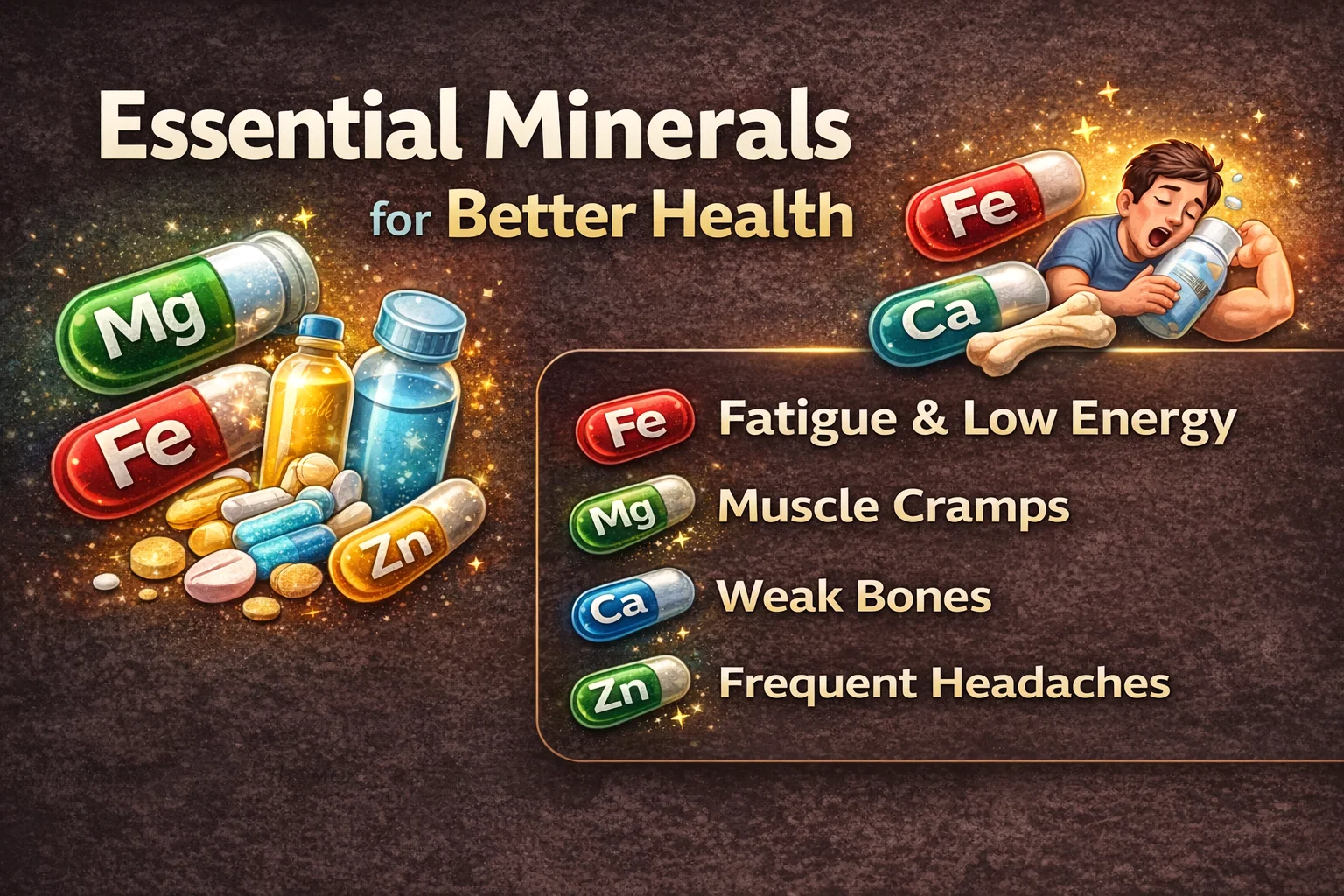
Have you ever woken up with a sudden, sharp cramp in your calf or spent an entire afternoon fighting off a cloud of brain fog that just will not lift? Often, we brush these moments off as a lack of sleep or the natural result of a busy day. However, your body is a sophisticated communication system, and these small physical signals are often its way of telling you that something is missing at the cellular level. The image we are looking at today highlights a vital truth about human health: it is all about minerals. These inorganic elements are the unsung heroes of our biology, acting as the sparks that ignite thousands of enzymatic reactions every single second. When we are deficient, the machinery starts to sputter, leading to the common ailments many of us have come to accept as normal.
The Essential Role of Magnesium: More Than Just Muscle Support
Magnesium is frequently referred to as the master mineral because it is involved in over 300 biochemical reactions in the body. If you look at the symptoms associated with magnesium deficiency, you will see a wide range of issues from muscle cramps to frequent headaches and even a weakened immune system. This is because magnesium is crucial for muscle relaxation. While calcium helps muscles contract, magnesium is the element that allows them to let go. Without enough of it, your muscles stay in a state of semi-contraction, leading to those painful nighttime charley horses.
Magnesium for Mental Clarity and Immunity
Beyond the physical tug of war in your muscles, magnesium plays a massive role in your neurological health. If you feel mentally foggy or find yourself struggling to concentrate, your brain might be craving this mineral. It helps regulate neurotransmitters and protects the synapses in the brain, which are the pathways for communication between neurons. Furthermore, as the image suggests, a lack of magnesium can lead to weak immunity. It supports the function of white blood cells and helps the body mount an effective defense against pathogens. If you are catching every cold that goes around, it might be time to check your magnesium levels.
Iron and Copper: The Energy and Oxygen Connection
Feeling chronically tired is one of the most common complaints in modern society. While caffeine offers a temporary fix, the root cause is often found in the blood. Iron is the primary component of hemoglobin, the protein in your red blood cells that carries oxygen from your lungs to the rest of your body. When you are low on iron, your tissues are essentially starving for air, which leaves you feeling exhausted, weak, and short of breath. The visual also notes that iron deficiency can lead to thinning hair. Because your body prioritizes vital organs, it will divert nutrients away from non-essential functions like hair growth when supplies are low.
The Often Overlooked Role of Copper
The relationship between minerals is often synergistic. For example, the image points out that if you bruise easily, you may need copper. Copper is essential for the formation of collagen and the maintenance of healthy blood vessels. It also works hand-in-hand with iron to help the body form red blood cells. If you have plenty of iron but lack copper, your body might still struggle to transport oxygen efficiently. This illustrates why a balanced approach to mineral intake is far more effective than just mega-dosing a single supplement.
Calcium and Zinc: Building a Strong Foundation
We have all been told since childhood that calcium is necessary for strong bones. This is absolutely true, as calcium provides the structural framework for our skeletal system. However, the image provides a deeper look, noting that bone loss and “weak loss” (likely referring to the loss of bone density or integrity) can also be tied to a lack of zinc. This is a crucial distinction. While calcium is the bricks, minerals like zinc and boron act as the mortar that keeps everything in place.
Zinc for Skin Health and Sensory Function
Zinc is a powerhouse for the skin and the immune system. The graphic mentions that if you feel “peel” or have skin issues, zinc might be the missing link. Zinc is vital for cell division and protein synthesis, which are the two processes required for skin healing and regeneration. It is also highly concentrated in the eyes and helps maintain vision. If you find that your wounds are slow to heal or your skin looks dull and flaky, increasing your intake of zinc-rich foods like pumpkin seeds, legumes, and shellfish can make a noticeable difference.
Potassium and Sodium: The Electrical Balance
Your heart is an electrical organ, and it relies on electrolytes to maintain a steady, rhythmic beat. Potassium and sodium are the two heavy hitters in this category. The image highlights that heart palpitations and an irregular heartbeat are major red flags for potassium deficiency. Potassium helps regulate the electrical signals in the heart’s muscle fibers. When these levels are off, the heart can skip a beat or flutter, which can be a very unsettling sensation.
Sodium and the Stamina Myth
Sodium often gets a bad reputation in the health world due to its link with high blood pressure, but it is an essential mineral that our bodies cannot function without. The visual correctly identifies that low stamina and frequent dizziness can be signs of sodium deficiency. Sodium is responsible for maintaining fluid balance and ensuring that your nerves can send signals properly. If you are an athlete or someone who sweats excessively, you lose sodium rapidly. Replacing those electrolytes is not just about hydration; it is about maintaining the electrical charge your cells need to produce energy and keep you moving.
Trace Minerals: Boron, Chromium, and Selenium
While we need large amounts of minerals like calcium and magnesium, trace minerals are equally important despite being needed in smaller quantities. Boron, for instance, is mentioned in the context of joint stiffness. Boron helps the body metabolize other minerals and plays a role in reducing inflammation. If your joints feel creaky in the morning, a little more boron in your diet via apples, coffee, or nuts might be exactly what you need.
Chromium for Blood Sugar Stability
Do you ever feel a massive energy crash or intense fatigue right after eating a meal? This is often a sign of a blood sugar spike followed by a rapid drop. Chromium is the mineral that helps insulin do its job. It assists in moving glucose from the bloodstream into the cells to be used for energy. When chromium levels are sufficient, your energy levels stay much more stable throughout the day, and those post-lunch naps become a thing of the past.
Selenium and Antioxidant Protection
Selenium is a powerful antioxidant that works to protect your cells from damage. While the image links it to skin health and general wellness, its most important role is supporting the thyroid gland. The thyroid regulates your metabolism, and it cannot function correctly without selenium. Including just a couple of Brazil nuts in your daily routine can often fulfill your entire daily requirement for this vital trace element.
How to Optimize Your Mineral Intake Naturally
Now that we understand what these minerals do, the question is how to get more of them into our lives. The modern diet is often high in calories but low in micronutrients due to soil depletion and processed food manufacturing. To combat this, focusing on whole, nutrient-dense foods is the best strategy. Leafy greens, nuts, seeds, wild-caught fish, and colorful vegetables should be the staples of your plate. For example, a salad featuring spinach (magnesium), pumpkin seeds (zinc), and citrus (to help absorb iron) is a mineral powerhouse.
The Importance of Bioavailability
It is not just about what you eat, but what you absorb. Some minerals compete for the same absorption pathways. For instance, taking high doses of calcium can sometimes inhibit the absorption of magnesium. This is why getting your minerals from food is generally superior to supplements; nature packages these nutrients in ratios that the human body is designed to process. If you do choose to supplement, it is always a good idea to speak with a healthcare provider to ensure you are not creating an imbalance elsewhere.
Listening to the Language of Your Body
The journey to better health does not always require a complete lifestyle overhaul. Sometimes, it starts with simply listening. If you are experiencing any of the symptoms mentioned in the guide—like those frequent headaches, dizzy spells, or the feeling of being chronically tired—take a moment to evaluate your mineral intake. These symptoms are not your body failing you; they are your body asking for help. By providing the specific minerals it needs, you can often resolve long-standing issues and unlock a level of vitality you didn’t know was possible.
Final Thoughts on Mineral Wellness
Minerals truly are the foundation of our health. From the strength of our bones to the rhythm of our hearts and the clarity of our minds, every system in the body relies on these basic elements. While it can feel overwhelming to keep track of every single nutrient, the main takeaway is simple: variety is key. By eating a wide range of natural foods and staying mindful of the signals your body sends, you can ensure that your “mineral bank” is always full. Remember that health is a long-term investment, and the small choices you make today regarding your nutrition will pay dividends for years to come. Start paying attention to those small signs today, and give your body the essential tools it needs to thrive.
Would you like me to create a specific meal plan based on these mineral requirements or generate a list of the top ten mineral-rich superfoods to add to your grocery list?