Essential Vitamins Guide Natural Solutions for Common Health Symptoms and Wellness
Have you ever woken up feeling completely drained, struggled to concentrate during a mid-afternoon meeting, or noticed your hair just doesn’t look as healthy as it used to? It is incredibly common to brush these issues off as just a byproduct of a busy, modern lifestyle. We often convince ourselves that we are just tired or stressed. However, sometimes your body is sending you subtle signals that it is missing out on essential nutrients. Understanding the connection between your daily symptoms and your vitamin intake can be a total game-changer for your overall well-being.
While a balanced diet should always be the foundation of your health, pinpointing specific areas where you might be lacking can help you make smarter decisions about your nutrition. In this guide, we are diving deep into some of the most essential vitamins and minerals, what they do for your body, and the symptoms that might suggest you need to pay closer attention to your levels. Let’s break it down.
The Essential Role of Vitamins in Daily Wellness
Vitamins are organic compounds that your body needs in small quantities to function properly. They play a vital role in virtually every biological process, from converting food into energy to repairing tissue and keeping your immune system sharp. When we are deficient in one or more of these micronutrients, it often manifests as a physical or mental symptom that we can easily ignore or misinterpret.
Vitamin D: The Sunshine Vitamin
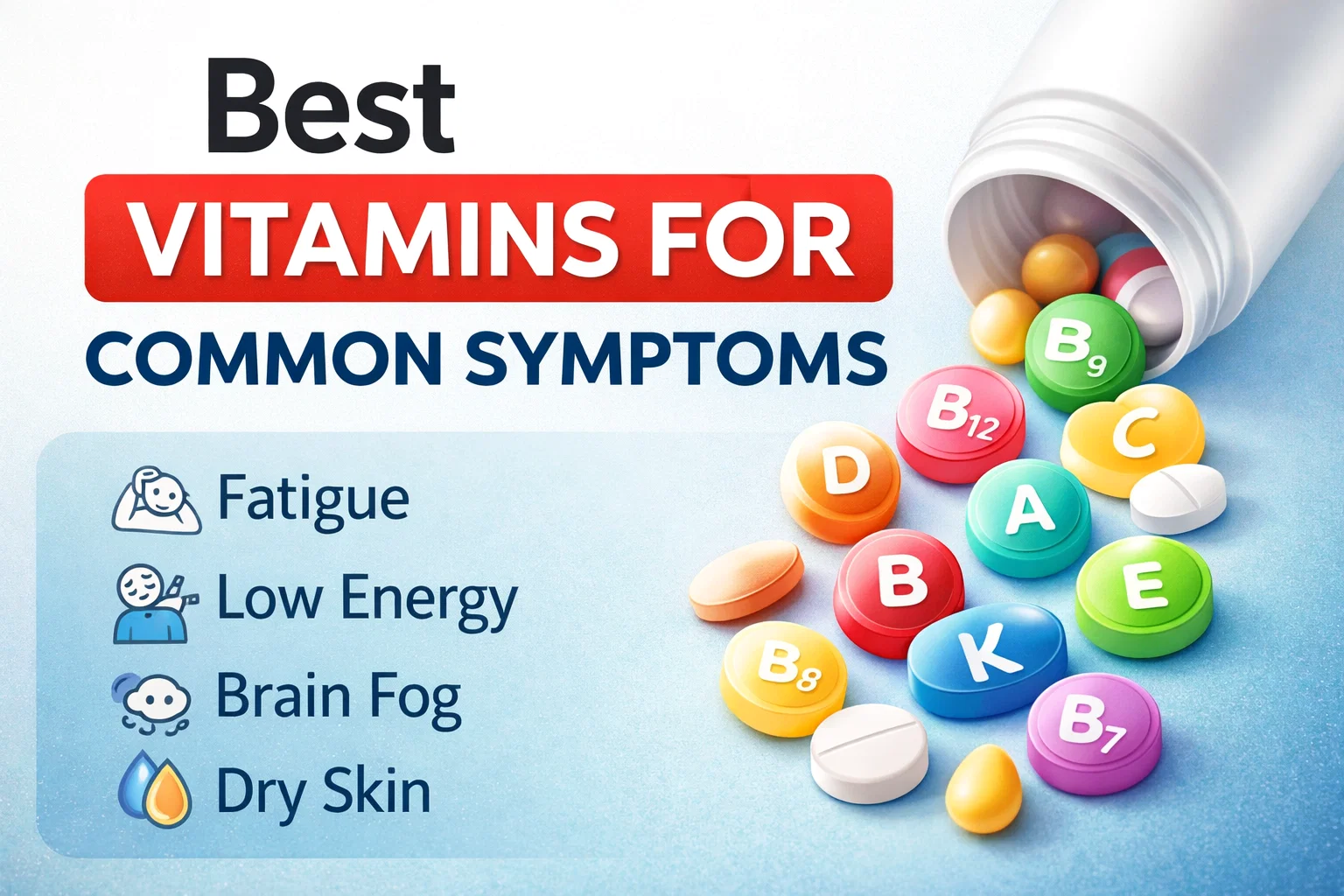
Vitamin D is unique because your body can produce it when your skin is exposed to sunlight. Despite this, deficiencies are widespread across the globe. It is primarily known for its role in bone health because it helps the body absorb calcium. However, it does so much more. Low levels of Vitamin D are frequently linked to persistent fatigue, a weakened immune system, and aches in your bones. If you find yourself catching every cold that goes around or feeling sluggish despite getting enough sleep, it might be time to check your levels.
The B-Vitamin Complex: Energy and Cognitive Power
The B vitamins are a group of eight water-soluble vitamins that play critical roles in cell metabolism. When we talk about energy, we are often talking about the B-vitamin complex.
- Vitamin B12: This is a powerhouse for brain function and red blood cell formation. A deficiency can manifest as “brain fog,” general weakness, and a feeling of low energy that just won’t quit.
- Vitamin B6: This vitamin is essential for brain development and keeping your nervous system and immune system healthy. It is also linked to mood regulation, helping with symptoms like mood swings and even nerve pain.
- Folic Acid (Vitamin B9): Crucial for DNA synthesis and cell division, a lack of folate can lead to intense fatigue and difficulty focusing on daily tasks.
- Vitamin B1 (Thiamine): Known to help the body convert carbohydrates into energy, a deficiency can often manifest as irritability and a loss of appetite.
Addressing Common Beauty and Skin Concerns
Many of us look for expensive topical solutions when we notice issues with our skin, hair, or nails. While skincare products play a part, the health of these tissues often starts from within. Certain vitamins are fundamental to maintaining your natural glow and strength.
Vitamin A and Vitamin E
Vitamin A is a fat-soluble vitamin that is essential for vision, immune function, and skin health. If you are experiencing dry skin or struggling with poor vision, particularly at night, your body might be asking for more Vitamin A. On the other hand, Vitamin E acts as a powerful antioxidant. It helps protect your cells from damage and is famous for its role in maintaining healthy, hydrated hair and supporting skin elasticity as you age. It also plays a role in healthy blood circulation, which ensures your skin receives the nutrients it needs to thrive.
Biotin (Vitamin B7)
If you have ever dealt with thinning hair or brittle, easily broken nails, you have likely heard of biotin. It is a B vitamin that supports the production of keratin, a protein that makes up your hair, skin, and nails. Ensuring you have adequate biotin levels can help strengthen these areas and promote healthier growth.
Supporting Immunity and Healing
Your immune system is a complex network, and it requires specific nutrients to stay resilient. When your body is fighting off infections or trying to repair itself, your demand for certain vitamins increases.
Vitamin C: The Immune Booster
Vitamin C is perhaps the most well-known vitamin for immune support. It is an antioxidant that helps protect cells from free radical damage. If you find yourself catching colds frequently, it could be a sign that your immune system needs more support. Additionally, Vitamin C is critical for collagen production, which is essential for wound healing. If you notice that even small cuts or scrapes take a long time to heal, it may be time to increase your intake of Vitamin C-rich foods like citrus fruits, bell peppers, and strawberries.
Vitamin K: Blood Health and Clotting
Vitamin K is essential for blood coagulation, the process that allows your blood to clot when you are injured. If you notice that you bruise very easily or that minor cuts bleed for longer than you think they should, it is important to consider your Vitamin K intake. This vitamin is often overlooked, but it is absolutely critical for the body’s natural healing processes.
How to Safely Optimize Your Vitamin Intake
While the list above highlights common symptoms associated with specific deficiencies, it is important to approach your health with a logical and safe mindset. Do not jump to conclusions or start a high-dose supplement regimen without understanding your actual needs.
The Food-First Approach
Before turning to supplements, aim to get your nutrients from whole foods. A diet rich in a variety of colorful fruits, vegetables, lean proteins, nuts, and seeds provides a synergistic mix of vitamins and minerals that your body can absorb more easily. For example, eating a variety of leafy greens can provide both Vitamin K and Folate, while nuts and seeds are excellent sources of Vitamin E.
When to Consult a Professional
If you are experiencing chronic symptoms, the most important step is to speak with a healthcare provider. They can order blood tests to identify specific deficiencies. Supplementation should ideally be targeted and based on these results. Taking vitamins blindly can sometimes be ineffective, or in some cases, even harmful if you over-supplement with certain fat-soluble vitamins that the body stores rather than excretes.
Conclusion
Your body is incredibly intelligent. The symptoms you experience, whether it is fatigue, brain fog, or changes in your skin and hair, are not just random inconveniences. They are pieces of data that help you understand what your internal systems need to perform at their best. By paying closer attention to these signals and focusing on a nutrient-dense diet, you can support your body’s natural ability to maintain energy, immunity, and overall vitality. Remember, health is a journey, not a destination, and taking the time to listen to your body is the best place to start.
Would you like me to create a printable checklist of these vitamins and their food sources to help you plan your meals better?