Fatty Liver Diet Food List Printable Liver Friendly Foods Nutrition Chart Checklist
Navigating the world of nutrition can feel like walking through a labyrinth, especially when you are managing a specific health condition like fatty liver disease. Whether you have just received a diagnosis or you are simply looking to detoxify and revitalize your body, the food on your plate is your most powerful tool. The journey to a healthier liver does not have to be defined by restriction and bland meals. Instead, it is an invitation to rediscover whole, vibrant foods that nourish your cells and provide the energy you need to thrive. This guide breaks down the essential food groups to embrace and those to limit, providing you with a clear roadmap to support your liver function naturally.
Understanding the Role of the Liver in Your Overall Health
The liver is often the unsung hero of the human body. As the largest internal organ, it performs over 500 vital functions, ranging from filtering toxins out of the blood to aiding digestion through bile production. When we talk about fatty liver, we are referring to the accumulation of excess fat in liver cells. While it is normal for the liver to contain some fat, if it exceeds 5 to 10 percent of the organ’s weight, it can lead to inflammation and scarring.
The good news is that the liver is remarkably resilient. It is one of the few organs capable of regenerating itself, and many types of fatty liver disease are reversible through consistent lifestyle changes. By shifting your dietary focus toward anti-inflammatory, nutrient-dense ingredients, you provide your liver with the break it needs to process stored fats and repair damaged tissues.
Shutterstock
The Power of Plants: Fruits and Vegetables for Detoxification
When you look at a liver-friendly food chart, the green section is always the most expansive. This is because fruits and vegetables are packed with antioxidants, fiber, and phytonutrients that directly combat oxidative stress in the liver.
Leafy Greens and Cruciferous Vegetables
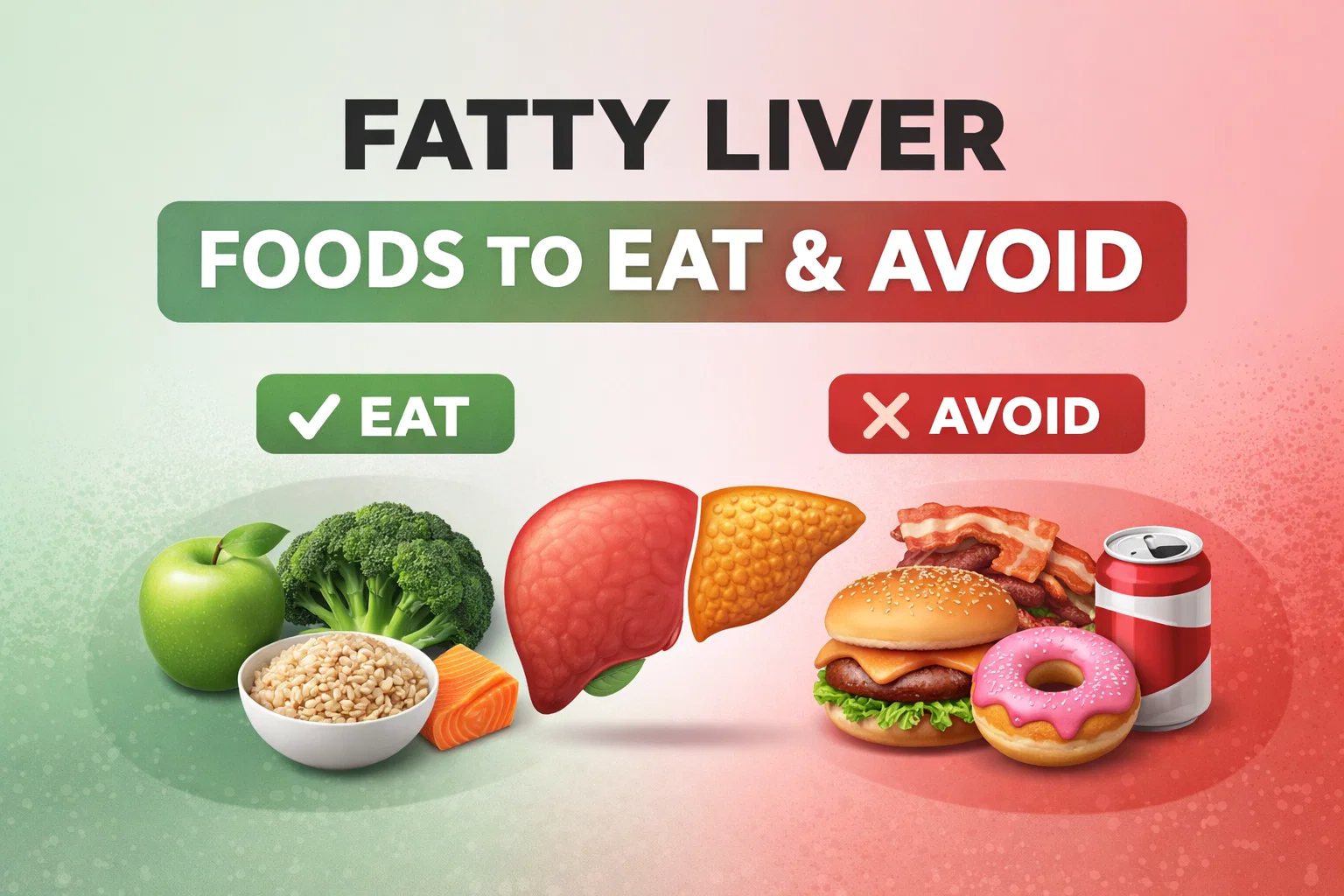
Vegetables like spinach, kale, and Swiss chard are nutritional powerhouses. They are rich in chlorophyll, which helps neutralize toxins and heavy metals. Meanwhile, cruciferous vegetables such as broccoli, cauliflower, and Brussels sprouts contain glucosinolates. These compounds support the liver’s natural detoxification enzymes, helping the body flush out carcinogens and other harmful substances more efficiently.
Antioxidant-Rich Fruits
Not all fruits are created equal when it comes to liver health. Focus on low-glycemic options that provide a high dose of antioxidants without causing a massive spike in blood sugar. Blueberries, strawberries, and raspberries contain anthocyanins, which have been shown to protect the liver from damage and reduce the risk of fibrosis. Citrus fruits like grapefruit and oranges are also excellent, as they are high in vitamin C and naringenin, a compound that helps the liver burn fat rather than store it.
Complex Carbohydrates: Choosing Whole Grains and Legumes
One of the biggest misconceptions about liver-friendly diets is that you have to cut out all carbs. In reality, your body needs glucose for energy; the key is the source. Refined grains like white bread and pasta break down quickly, leading to insulin spikes that encourage fat storage in the liver. Complex carbohydrates, however, provide a steady release of energy and are high in fiber.
The Importance of Soluble Fiber
Foods like oats, quinoa, and barley are rich in soluble fiber. This type of fiber binds to bile acids in the digestive tract, helping the body excrete cholesterol and fats before they can be reabsorbed and sent back to the liver. Legumes, including lentils and chickpeas, are also fantastic additions. They are a dual-threat food group, providing both high-quality plant protein and the fiber necessary to maintain a healthy gut-liver axis.
Protein Essentials: Building Blocks Without the Burden
Protein is essential for tissue repair, but some sources come with a heavy “tax” of saturated fats that can stress a struggling liver. Shifting toward lean proteins and plant-based options ensures you get the amino acids you need without the inflammatory baggage of processed meats.
- Fatty Fish: Salmon, sardines, and mackerel are rich in Omega-3 fatty acids. These healthy fats help reduce liver enzyme levels and decrease inflammation.
- Poultry: Skinless chicken and turkey breast are excellent lean options that are easy for the body to process.
- Plant Proteins: Tofu and tempeh are highly digestible and contain soy isoflavones, which some studies suggest can improve liver metabolism.
Healthy Fats: Fighting Fat with Fat
It sounds counterintuitive, but eating the right kinds of fat can actually help you lose liver fat. Monounsaturated and polyunsaturated fats are crucial for hormonal balance and cellular health. Olive oil should be a staple in your kitchen; its high oleic acid content is associated with reduced fat accumulation in the liver. Similarly, avocados, walnuts, and chia seeds provide essential fatty acids that support heart health and liver function simultaneously.
Foods to Avoid: Navigating the Red Zone
Healing your liver is as much about what you take out of your diet as what you put into it. The modern diet is often filled with “hidden” triggers that promote fatty deposits and inflammation. Identifying these foods is the first step toward reclaiming your health.
The Danger of Added Sugars and Fructose
High-fructose corn syrup and table sugar are perhaps the biggest enemies of liver health. Unlike glucose, which can be used by almost every cell in the body, fructose is primarily processed by the liver. When consumed in excess through sodas, candies, and sweetened snacks, the liver converts this fructose directly into fat. This process, known as lipogenesis, is a leading driver of non-alcoholic fatty liver disease.
Processed Meats and Saturated Fats
Bacon, sausages, deli meats, and fatty cuts of beef are high in saturated fats and sodium. These foods promote systemic inflammation and can worsen insulin resistance. Furthermore, the preservatives used in processed meats, such as nitrates, put an extra workload on the liver as it tries to filter these chemicals out of your bloodstream.
Refined Grains and Empty Calories
White flour products like bagels, muffins, and pizza crusts lack the bran and germ that contain fiber and nutrients. These foods cause rapid increases in blood sugar, signaling the body to store energy as fat. If you are trying to heal your liver, swapping these for whole-grain alternatives is one of the most impactful changes you can make.
Hydration and Liver-Friendly Beverages
What you drink is just as important as what you eat. Water is, of course, the gold standard for hydration, helping the liver move toxins through the kidneys and out of the body. However, some functional beverages can provide an extra boost.
The Benefits of Coffee and Green Tea
Research consistently shows that coffee consumption is associated with a lower risk of liver cirrhosis and fatty liver. Coffee contains antioxidants and compounds that prevent the buildup of collagen, a marker of liver scarring. Green tea is another superstar, specifically due to its high concentration of EGCG (epigallocatechin gallate), a catechin that improves liver enzyme levels and reduces oxidative stress. Just remember to skip the added sugars and creamers!
Practical Tips for Staying Consistent
Transitioning to a liver-friendly lifestyle is a marathon, not a sprint. The goal is to create sustainable habits that you actually enjoy. Here are a few ways to make the transition easier:
- Meal Prep: Keep a batch of cooked quinoa or roasted vegetables in the fridge so you aren’t tempted by fast food when you are tired.
- Read Labels: Be a detective. Sugar hides under many names, like maltodextrin or rice syrup. If a product has a long list of unrecognizable ingredients, it is likely not liver-friendly.
- Use Herbs for Flavor: Instead of relying on salty or sugary sauces, use turmeric, garlic, ginger, and lemon juice to flavor your food. These ingredients have their own anti-inflammatory properties.
- Practice Mindful Eating: Listen to your body’s hunger cues. Overeating, even of healthy foods, puts extra stress on your digestive system and liver.
Conclusion: Your Path to a Healthier Liver
A fatty liver diagnosis can be a wake-up call, but it is also a powerful opportunity to reset your relationship with food. By prioritizing the “Green List” of vibrant fruits, vegetables, lean proteins, and whole grains, you are giving your liver the raw materials it needs to repair and thrive. Every meal is a chance to nourish your body and move one step closer to optimal wellness. Remember, small, consistent changes lead to the most significant long-term results. Start today by adding one extra serving of greens or swapping your afternoon soda for a refreshing herbal tea. Your liver works tirelessly for you; now is the time to return the favor. Save this guide and keep your food list handy as you embark on this rewarding journey toward a healthier, more energized version of yourself.
Would you like me to generate a 7-day liver-friendly meal plan based on the “Eat” list from the image?