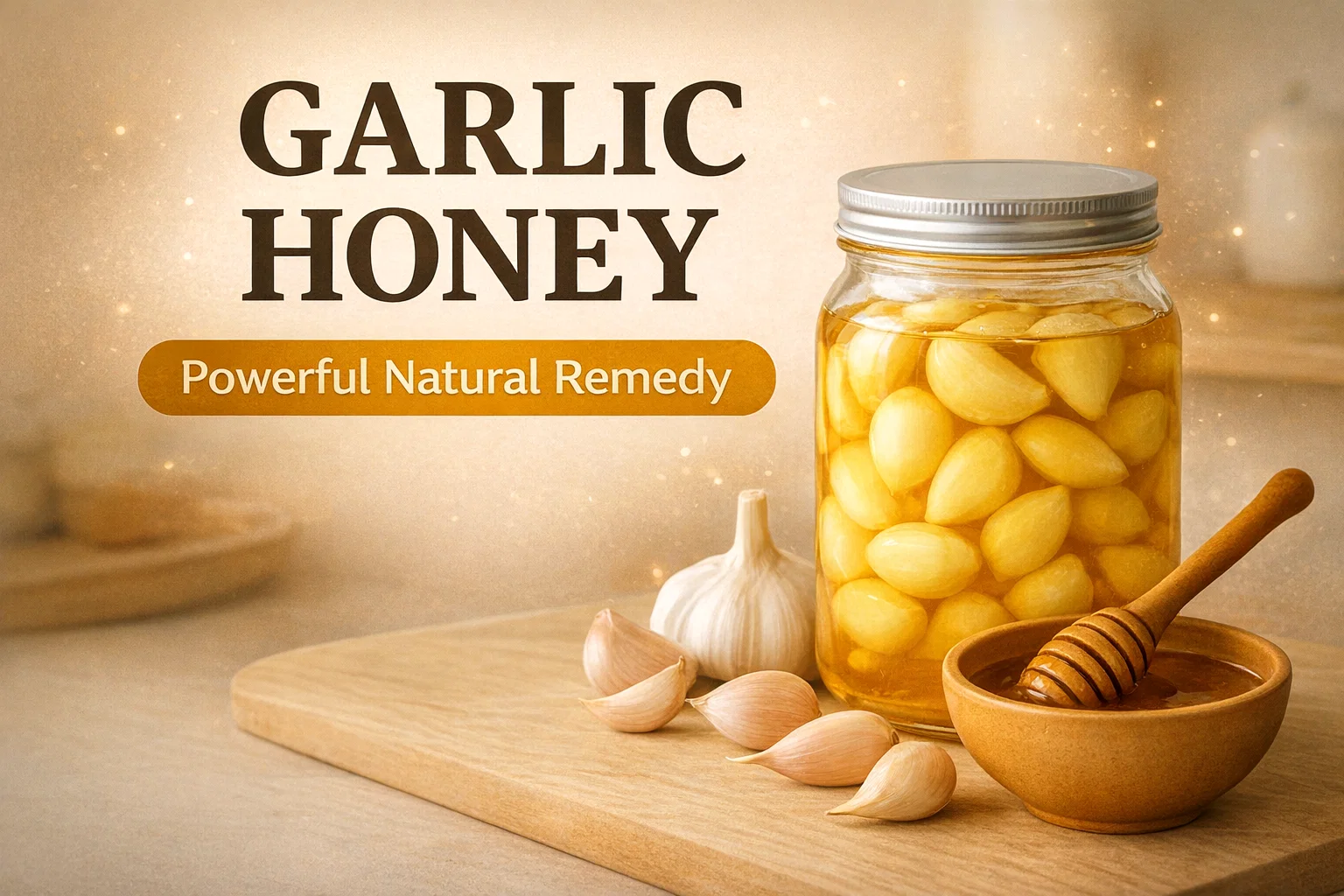
Fermented Garlic Honey Recipe Natural Immune Support Wellness Remedy
Discovering the power of natural fermentation starts with two of the most potent ingredients in your kitchen: raw honey and fresh garlic. This combination creates a syrupy, savory, and sweet infusion that has been used for generations to support the immune system and provide a quick boost during the colder months. When garlic is submerged in honey, a slow fermentation process begins, mellowing the sharp bite of the garlic and infusing the honey with incredible depth. Whether you are looking to expand your home apothecary or simply want a delicious new glaze for your roasted vegetables, this fermented garlic honey is a project that yields high rewards with minimal effort.
The Science of Fermented Garlic Honey
While it might seem like a simple kitchen experiment, there is fascinating science happening inside that jar. Garlic contains a compound called allicin, which is released when the cloves are crushed or sliced. This compound is known for its antimicrobial and antioxidant properties. When you combine garlic with raw honey, which is naturally acidic and low in moisture, it creates an environment where beneficial bacteria can thrive while keeping harmful bacteria at bay.
During the one month of sitting at room temperature, the honey draws the juices out of the garlic cloves. This thins the honey into a more liquid consistency and allows the fermentation to take place. You will often see small bubbles forming around the cloves, which is a sign that the natural yeasts and bacteria are doing their work. This process not only preserves the garlic but also transforms the flavor profile into something truly unique.
Essential Ingredients for Your Batch
To ensure the best results and the highest nutritional value, the quality of your ingredients is paramount. Using processed or highly filtered ingredients can stall the fermentation process or result in a less effective remedy.
The Importance of Raw Honey
It is vital to use raw, unpasteurized honey for this recipe. Most commercial honeys found in grocery stores have been heated to high temperatures, which kills the natural enzymes and wild yeasts necessary for fermentation. Raw honey acts as the starter for this process. Look for honey that is cloudy or labeled as “liquid gold” from a local source to ensure you are getting all the live cultures intended for this infusion.
Selecting the Best Garlic
Freshness is key when selecting your garlic. Choose heads that are firm to the touch with tight, papery skins. Avoid any cloves that have started to sprout green shoots, as these can impart a bitter flavor to the honey. While you can use any variety of garlic, organic options are preferred to ensure no pesticides interfere with the delicate microbial balance of your ferment.
Step-by-Step Preparation Guide
Preparing the jar takes less than fifteen minutes, but the patience required for the next thirty days is what truly makes the magic happen. Follow these steps to ensure a safe and successful fermentation.
- Prepare the Garlic: Gently peel each clove from a full head of garlic. You can leave them whole for a slower infusion or slightly crush them with the flat side of a knife to release more allicin and speed up the process.
- Jar Selection: Use a clean glass jar with a tight-fitting lid. Ensure the jar is completely dry before starting, as introducing outside water can lead to spoilage.
- The Pour: Fill the jar about halfway with your prepared garlic cloves. Slowly pour the raw honey over the garlic until the cloves are completely submerged. Leave at least an inch of headspace at the top of the jar to allow for the gases produced during fermentation.
- The Initial Stir: Use a clean wooden or plastic spoon to gently stir the mixture, ensuring there are no trapped air bubbles at the bottom of the jar.
The Fermentation Timeline: What to Expect
Once your jar is sealed, the real work begins. Over the next four weeks, you will notice several changes in the appearance and texture of your garlic honey. Understanding these stages will help you feel confident that your ferment is progressing healthily.
Week One: The Thinning Phase
In the first few days, you will notice the honey becoming much thinner and more watery. This is normal. The honey is pulling moisture out of the garlic. You will also start to see tiny bubbles rising to the surface. This is the time to “burp” your jar. Open the lid once a day to release the built-up carbon dioxide and then tighten it back up. Give the jar a quick flip to keep the cloves coated.
Weeks Two and Three: Color and Flavor Change
The garlic cloves may start to darken, turning a light amber or even a translucent brown. The honey will also darken in color and take on a distinct garlic aroma. The bubbles may become more active during this time. If the garlic cloves float to the top, simply turn the jar upside down for a few hours to ensure they stay saturated with honey.
Week Four: Maturity
By the end of the month, the fermentation will slow down. The bubbles will be fewer, and the garlic cloves will have a softened, mellow flavor that lacks the typical “burn” of raw garlic. At this point, the mixture is ready to use, though many enthusiasts find that the flavor continues to improve if left for even longer periods.
Creative Ways to Use Garlic Honey
While many people keep a jar specifically for its wellness benefits, this infusion is a powerhouse in the kitchen. Its sweet and savory profile makes it an incredible addition to a variety of dishes.
As a Culinary Glaze
Drizzle the honey over roasted carrots, parsnips, or Brussels sprouts during the last five minutes of cooking. The honey will caramelize, and the garlic notes will provide an earthy balance to the natural sweetness of the vegetables. It also works beautifully as a glaze for grilled salmon or roasted chicken.
In Salad Dressings
Replace standard honey or sugar in your favorite vinaigrette recipe with fermented garlic honey. Whisk it together with apple cider vinegar, olive oil, and a touch of Dijon mustard for a dressing that tastes like it came from a high-end bistro. The thinned consistency of the honey makes it easy to incorporate into liquids.
The “Spoonful” Method
Many choose to consume a teaspoon of the honey or one of the softened cloves daily. The cloves become almost like candy, with a texture similar to roasted garlic but with the added sweetness of the honey. It is a comforting ritual during the winter months.
Safety Tips and Best Practices
Fermenting at home is generally safe, but there are a few rules to follow to ensure your garlic honey remains a healthy addition to your lifestyle. Because honey is an acidic environment, it naturally inhibits many pathogens, but mindfulness is still required.
Check the pH: If you are concerned about safety, you can use pH test strips to ensure the mixture stays below 4.6, which is the threshold for safety in shelf-stable foods. Most honey naturally sits around 3.9, so this is rarely an issue.
Avoid Heat: Do not heat the honey during the preparation or fermentation process. High heat will kill the beneficial bacteria you are trying to cultivate. Keep the jar in a cool, dark place like a kitchen pantry or a cupboard away from the stove.
Signs of Spoilage: While rare, if you see mold growing on the surface or if the mixture develops a foul, putrid odor that is distinct from the smell of garlic, discard it and start over. Always use clean utensils when dipping into your jar to prevent cross-contamination.
Why You Should Start a Batch Today
In a world of fast-paced solutions and processed ingredients, there is something deeply satisfying about the slow art of fermentation. Making garlic honey is an act of patience and a way to connect with traditional food preservation methods. It requires only two ingredients and five minutes of active work, yet it provides a versatile kitchen staple that lasts for months.
Beyond the practical uses, the process of “burping” the jar and watching the bubbles form provides a daily reminder of the living world within our food. It is an excellent introductory project for anyone new to fermenting, as it is much more forgiving than sourdough or sauerkraut. The resulting syrup is a testament to how simple ingredients can be transformed into something extraordinary with nothing more than time.
Final Thoughts on This Golden Infusion
Garlic honey is more than just a trend; it is a functional and delicious addition to a self-sufficient kitchen. By taking the time to peel a head of garlic and submerge it in raw honey, you are creating a product that is far superior to anything you could buy in a store. The flavors are complex, the benefits are numerous, and the satisfaction of making it yourself is unmatched. Start your jar this week, and in one month, you will have a golden treasure waiting in your pantry, ready to brighten your meals and support your wellness goals through every season.