Foods That Harm Your Organs A Visual Guide to Healthy Eating Habits
Have you ever paused mid-bite and wondered exactly where that extra-salty fry or sugary soda goes once it leaves your fork? Most of us think about nutrition in terms of weight gain or loss, but the reality is much more complex and fascinating. Our bodies are intricate machines, and every organ—from the high-processing center of your brain to the structural foundation of your bones—reacts differently to the fuel we provide. Understanding how specific foods “harm” or “heal” our internal systems is not about fear-mongering; it is about empowerment. When you know better, you can eat better, and your body will certainly feel the difference.
The Mind-Body Connection: Fueling Your Brain and Heart
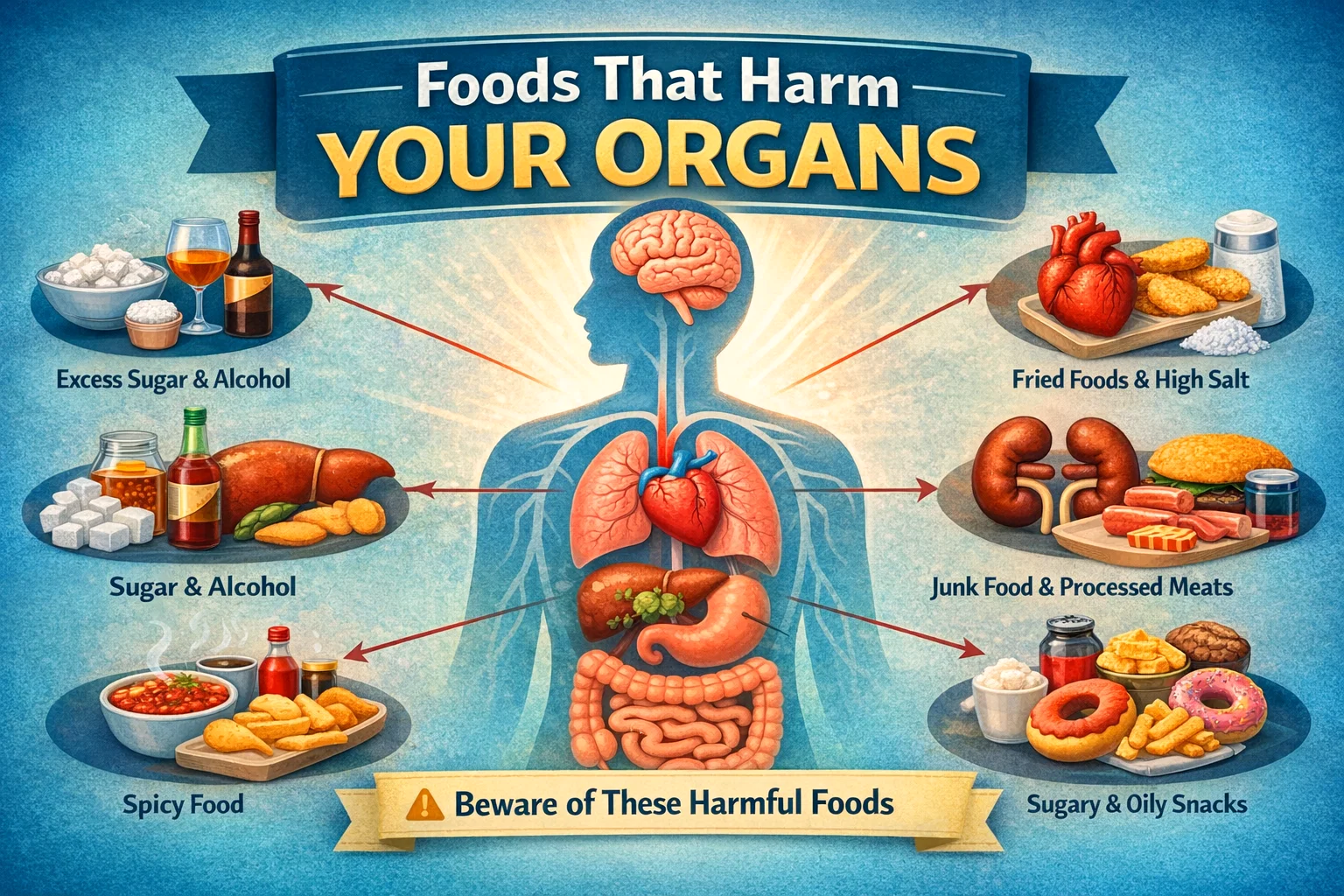
The brain is the most energy-demanding organ in the human body. While it represents only about 2 percent of your body weight, it consumes roughly 20 percent of your daily calories. However, not all calories are created equal. When we consume excess sugar, we aren’t just risking a “sugar crash.” High sugar intake has been linked to inflammation in the brain, which can lead to memory issues and significant mood swings. Alcohol acts as a further neurotoxin when consumed in excess, slowing down communication between neurons and affecting long-term cognitive health.
Protecting the Engine: Heart Health
Moving down to the chest, the heart acts as the pump that keeps everything else running. The biggest enemies here are fried foods and excessive salt. Fried foods are often loaded with trans fats, which raise bad cholesterol (LDL) and lower good cholesterol (HDL). Meanwhile, salt acts like a sponge, pulling water into your bloodstream. This increases the volume of blood, which puts immense pressure on your arteries. Over time, this leads to high blood pressure and an increased risk of heart disease.
Getty Images
Explore
The Filtration Experts: Liver and Kidneys
Your liver is the body’s primary detoxification center. It processes everything you eat and drink, filtering out toxins and converting nutrients into energy. When we overload it with alcohol and junk food, the liver can struggle to keep up. This often results in “Fatty Liver,” a condition where fat deposits build up inside the organ, hindering its ability to function. Think of your liver as a filter; if the filter gets clogged with grease and toxins, the whole system starts to lag.
The Vital Balance of the Kidneys
The kidneys work tirelessly to balance fluids and minerals in your body. They are particularly sensitive to processed meats and high salt intake. Processed meats are often packed with sodium and nitrates, which can lead to kidney stones and chronic kidney damage. Because the kidneys regulate blood pressure, any damage to them creates a dangerous cycle that further harms the heart. Staying hydrated and choosing fresh, whole proteins is the best way to keep these filtration units running smoothly.
Digestive Health: Stomach, Intestines, and Pancreas
Your digestive tract is the frontline of your immune system. However, it is also the most frequently irritated system. Spicy foods and excessive caffeine are common culprits for stomach issues. While some spice is healthy, overindulgence can lead to acid reflux and irritate the lining of the stomach, potentially contributing to ulcers in sensitive individuals. Caffeine, while a great morning pick-me-up, can increase stomach acid production, leading to that uncomfortable burning sensation many of us know too well.
The Fiber Factor in the Intestines
The intestines are responsible for nutrient absorption and waste removal. The modern diet, which is often high in processed food and low in fiber, is a nightmare for gut health. Without fiber to move things along, constipation becomes a chronic issue. More importantly, a low-fiber diet starves the “good” bacteria in your microbiome, which can lead to systemic inflammation and a weakened immune system.
Managing the Insulin Spike: The Pancreas
The pancreas has a very specific job: managing your blood sugar levels via insulin. When we flood our system with sugary foods, the pancreas has to work overtime to produce enough insulin to compensate. Constant sugar spikes can lead to insulin resistance, which is the primary gateway to Type 2 Diabetes. Protecting your pancreas means choosing complex carbohydrates that digest slowly, giving this vital organ the time it needs to do its job without burning out.
Shutterstock
The Foundation and the Mirror: Bones and Skin
It is easy to forget that bones are living tissues that constantly remodel themselves. Excess soda and junk food can actually leach minerals from your skeletal system. Specifically, the phosphoric acid found in many dark sodas can interfere with calcium absorption. Over years of poor dietary choices, this leads to “weak bones” or osteoporosis, making you more susceptible to fractures as you age.
Skin: The Outer Reflection of Inner Health
Finally, we look at the skin. As the largest organ, your skin often reflects what is happening inside. Oily and sugary snacks are notorious for causing acne breakouts and dull skin. High-glycemic foods cause a spike in insulin, which can trigger an increase in oil production and inflammation, leading to clogged pores. If you want a natural glow, the secret isn’t just in your skincare routine; it is in your pantry.
Actionable Steps for Better Organ Health
Transitioning to a healthier lifestyle doesn’t require a total kitchen overhaul overnight. Small, intentional swaps can yield massive results over time. Here are a few ways to start protecting your organs today:
- Hydrate with Intention: Swap one daily soda or energy drink for water infused with lemon or cucumber. Your kidneys and skin will thank you.
- Prioritize Fiber: Aim to add one serving of leafy greens or beans to at least two meals a day to support your intestines.
- Season with Herbs: Instead of reaching for the salt shaker, use garlic, ginger, or turmeric to flavor your food. This reduces the strain on your heart and kidneys.
- Choose Whole Fats: Swap fried fats for healthy fats like avocado or walnuts, which support brain function and heart health.
Conclusion: Moderation is the Ultimate Strategy
At the end of the day, the goal isn’t perfection; it is longevity and quality of life. As the old saying goes, moderation is key for a healthy life. Enjoying a treat occasionally won’t destroy your health, but making “junk” a daily habit forces your organs to work in survival mode rather than thriving mode. By understanding how sugar affects your brain, how salt impacts your heart, and how processed foods slow down your gut, you gain the power to make choices that fuel your future. Your body is the only place you have to live, so treat it with the respect and nourishment it deserves. Start small, stay consistent, and watch as your energy, mood, and overall vitality transform from the inside out.