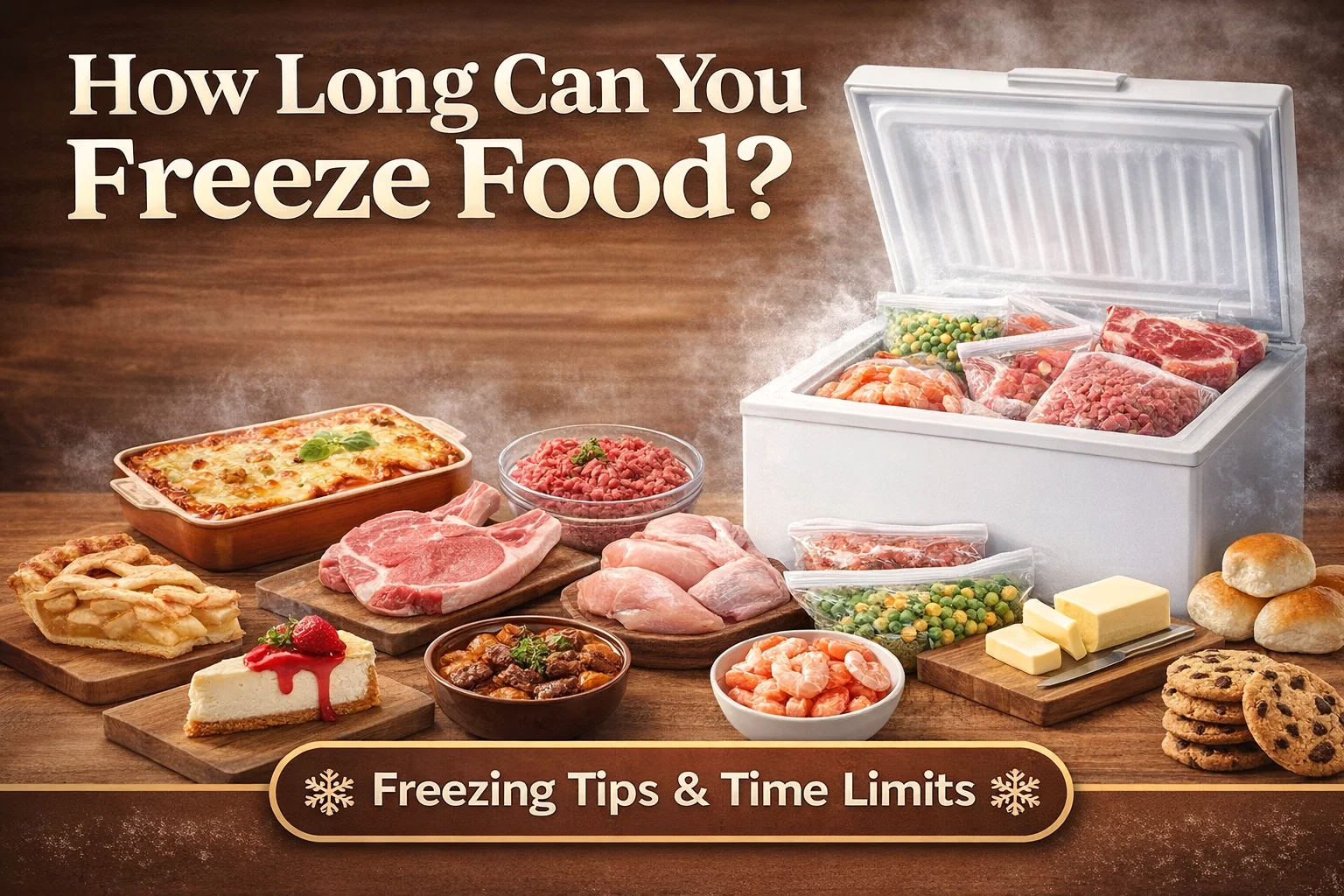
Freezer Storage Chart How Long Can You Freeze Food Food Storage Safety Guide
We have all been there. You are standing in front of an open freezer, staring at a mysterious, frost-covered package of what might be chicken or perhaps a forgotten pork chop. You wonder how long it has been in there and, more importantly, if it is still safe to eat. Freezing is one of the greatest tools in a modern kitchen, but it is not a time machine that stops aging forever. Understanding the true lifespan of frozen goods is the secret to reducing food waste, saving money, and ensuring every meal you serve tastes as fresh as the day you bought the ingredients.
This guide dives deep into the science of the deep freeze. While most foods remain technically safe to eat indefinitely if kept at a constant 0°F, the quality, texture, and flavor begin to degrade over time. By mastering these storage timelines, you can transform your freezer from a cluttered graveyard of forgotten leftovers into a high-functioning pantry of fresh possibilities. Let us break down exactly how long your favorite foods can really stay on ice.
The Essentials of Meat and Poultry Storage
Meat is often the most expensive item in the grocery cart, so protecting that investment is a top priority. Different cuts of meat have varying fat contents and surface areas, which directly impact how well they hold up in sub-zero temperatures. Generally, the less processed the meat is, the longer it will last.
Whole Poultry vs. Cut Pieces
If you have a whole turkey or chicken tucked away for a holiday meal, you are in luck. Because the meat is protected by skin and has less exposed surface area, a whole bird can stay at peak quality for up to 12 months. However, once you start breaking that bird down into pieces, the clock starts ticking faster. Raw chicken or turkey pieces, like breasts, thighs, and wings, are best used within 9 months. Interestingly, cooked chicken does not last nearly as long as raw. If you have leftovers from a Sunday roast, aim to eat them within 4 months to avoid that distinct, stale freezer taste.
Steaks, Chops, and Roasts
Red meat is remarkably resilient in the freezer. A thick, uncooked steak can maintain its juicy texture and rich flavor for anywhere from 6 to 12 months. Pork chops are slightly more delicate, typically staying at their best for 4 to 6 months. When freezing these items, the goal is to prevent air from reaching the surface of the meat. Air leads to sublimation, which is the scientific name for the process that causes freezer burn.
The Ground Meat Rule
Ground beef is a staple for quick weeknight dinners, but it has a much shorter freezer life than a whole steak. Because the meat has been ground up, there is significantly more surface area exposed to oxygen. This makes it more susceptible to flavor changes and texture breakdown. For the best burgers and meat sauces, try to use your frozen ground beef within 4 months. If you see the meat turning a greyish-brown, it might still be safe, but the flavor will likely be compromised.
Seafood and Bacon: The Delicate Exceptions
Seafood and cured meats require a bit more attention because their chemical compositions are different from beef or poultry. Fat goes rancid even when frozen, and since some fish are high in oil, they have shorter lifespans.
Fresh vs. Cooked Fish
While the image highlights that cooked fish can last 4 to 6 months, many experts suggest that leaner raw fish like cod or tilapia can last up to 6 months, while fatty fish like salmon should be consumed within 2 to 3 months. The key with fish is the moisture content. Once fish is cooked, the proteins have already tightened, so freezing it for too long can result in a rubbery texture upon reheating.
Shrimp and Shellfish
Cooked shrimp is a fantastic protein to keep on hand for quick salads or pasta dishes. It holds up well for about 3 months. If you are freezing raw shrimp, you might get an extra month or two out of them, especially if they are still in their shells, which act as a natural protective barrier against the cold air.
The Bacon Paradox
You might think that because bacon is cured with salt and smoke, it would last forever. However, the high fat content and the salts used in the curing process actually cause bacon to go rancid faster in the freezer than other meats. Uncooked bacon should be used within 1 month for the best flavor. After that, the fat can take on a soapy or bitter taste that ruins your morning breakfast.
Dairy and Baked Goods: Surprising Freezer Heroes
Many people are surprised to learn that the freezer is not just for meat and vegetables. Your dairy aisle favorites and bakery treats can also be preserved if you follow the right timeline.
Cheese and Butter
Butter is a freezer superstar. Whether you are stocking up during a sale or prepping for holiday baking, butter can stay fresh for 6 to 9 months. Hard cheeses like cheddar or swiss also freeze well for about 6 months. A pro tip for cheese: grate it before freezing. Frozen cheese can become crumbly, so having it already shredded makes it much easier to toss into an omelet or onto a pizza directly from the freezer.
Breads and Rolls
Yeast breads and dinner rolls are perfect for freezing. They generally stay fresh for 3 to 6 months. If you love baking cookies but cannot eat a whole batch at once, you will be happy to know that baked cookies can last a staggering 8 to 12 months in the freezer. On the other hand, quick breads like banana bread or pumpkin bread, which have a higher moisture content, are best consumed within 2 to 3 months to prevent them from becoming soggy when thawed.
Desserts and Pies
Cheesecake is a dense, creamy delight that holds its integrity for 2 to 3 months in the freezer. Baked pies, especially fruit pies, are best within 1 to 2 months. Beyond that, the crust can lose its flakiness and start to absorb the odors of other foods in the freezer. And what about ice cream? While it is made to be frozen, every time you open the container, you let in warm air. For the best creamy texture, try to finish that pint within 2 months.
Maximizing Quality with Proper Packaging
Knowing the dates is only half the battle. If you do not package your food correctly, even the freshest steak will be ruined in weeks. The enemy of frozen food is oxygen. When air reaches the surface of food, it draws out moisture, creating those dry, white patches known as freezer burn.
- Double Wrap Strategy: For long term storage, wrap your meat in plastic wrap or butcher paper first, then place it inside a heavy duty freezer bag.
- Squeeze Out the Air: If you are using zip top bags, submerge the bag in water up to the seal to force all the air out before closing it. This creates a DIY vacuum seal.
- Use Proper Containers: Avoid using thin storage bags meant for sandwiches. Look for containers and bags specifically labeled for freezer use, as they are thicker and more resistant to moisture vapor.
- Cool Before Freezing: Never put hot food directly into the freezer. This raises the internal temperature of the unit and can partially thaw surrounding items. Let your soups and stews cool in the fridge first.
The Truth About Freezer Burn and Food Safety
It is important to distinguish between food safety and food quality. According to the USDA, food kept constantly at 0°F will always be safe to eat because bacteria cannot grow in such cold temperatures. However, safety does not mean it will taste good.
Freezer burn is a quality issue. It happens when water molecules migrate from the food to the coldest parts of the freezer, leaving behind dehydrated pockets in the food. While freezer burned sections look unappealing and have a woody texture, they are not harmful. You can simply cut those parts away before or after cooking. If a piece of meat is almost entirely covered in frost and looks grey or shriveled, the flavor will likely be off, and it may be time to toss it for the sake of your taste buds.
The Importance of Labeling
The most sophisticated freezer system in the world is useless if you do not know what is in the containers. Keep a permanent marker and a roll of masking tape in your kitchen drawer. Every item that goes into the freezer should be labeled with two things: what it is and the date it was frozen. If you want to be extra organized, include the “use by” date based on the charts we discussed today.
Creating a Freezer Inventory
To truly master your kitchen, consider keeping a freezer inventory. This can be a simple magnetic whiteboard on the freezer door or a list on your phone. Documenting what goes in and what comes out prevents that “bottom of the chest freezer” syndrome where food disappears for years. An inventory helps you plan your meals based on what needs to be used soonest, saving you a trip to the grocery store and ensuring you are eating your food at its peak quality.
Try organizing your freezer by zones. Keep all your frozen vegetables in one drawer, your meats in another, and your “ready to eat” meals like soups and casseroles in a separate section. This reduces the amount of time the door stays open while you search for ingredients, which helps maintain a consistent temperature and prevents ice crystal formation.
Conclusion: Freshness is in Your Hands
Your freezer is one of the most powerful tools for maintaining a healthy, budget-conscious, and efficient home. By following these guidelines for meat, dairy, and baked goods, you can stop guessing and start cooking with confidence. Remember that these timelines are for peak quality. While your food might be safe beyond these months, eating it within the recommended window ensures that your family enjoys the best possible flavor and nutrition.
Take a few minutes this weekend to audit your freezer. Check the dates, toss anything that has been in there since the last decade, and start a new habit of labeling and rotating your stock. With a little bit of organization and the right knowledge, you will never have to fear the “mystery meat” again. Happy freezing!
Would you like me to help you create a custom meal plan using some of these common freezer staples?