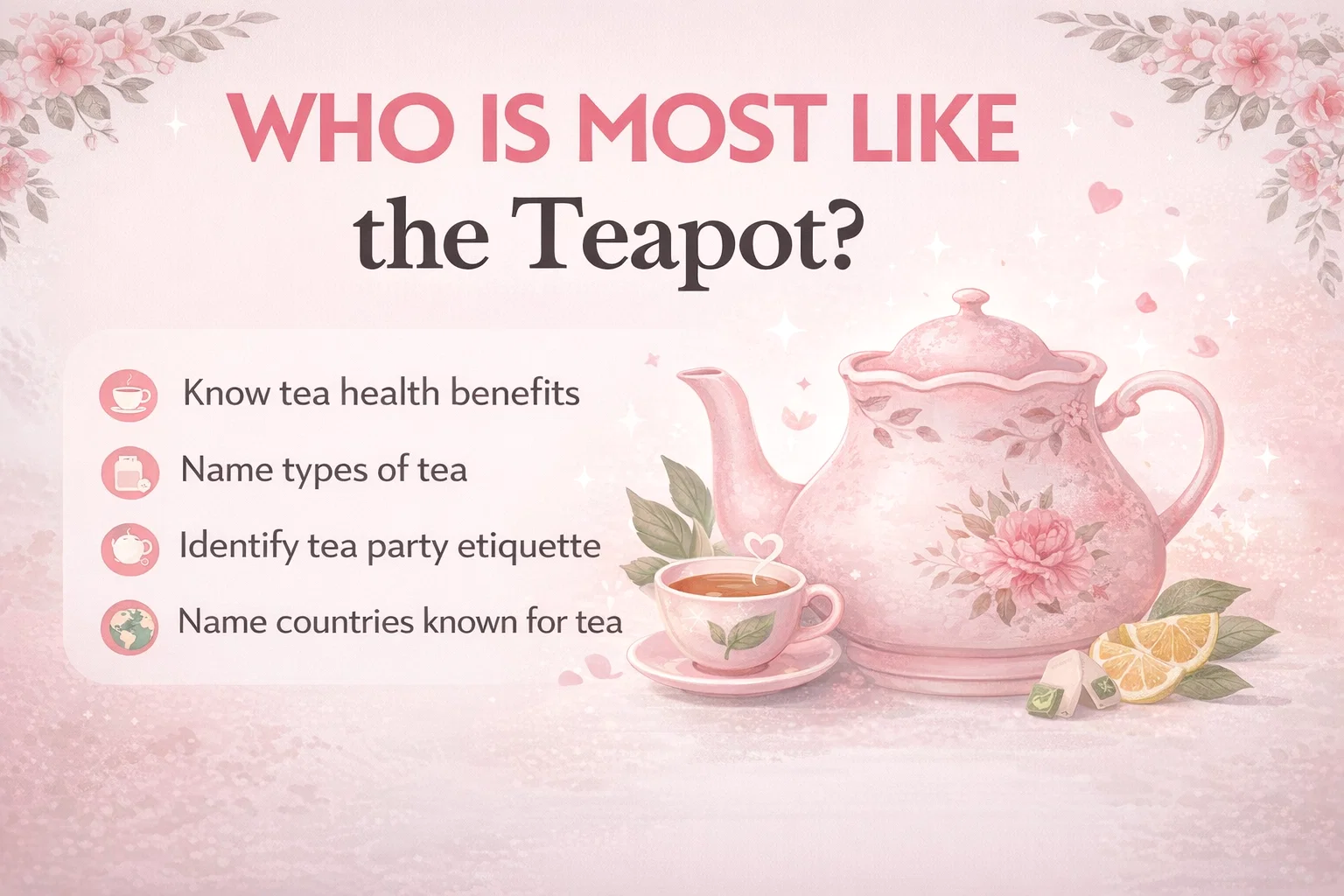
Fun Tea Party Trivia Game Who Is Most Like the Teapot Interactive Tea Lover Quiz
Hosting a tea party is more than just serving a hot beverage. It is an art form that brings people together through shared stories, elegant decor, and a touch of sophisticated fun. Whether you are planning a bridal shower, a birthday celebration, or a simple Sunday afternoon gathering, adding an interactive element can transform a standard meeting into an unforgettable event. One of the most charming ways to break the ice and get your guests talking is through a themed trivia game. The Who Is Most Like the Teapot challenge is a delightful way to test knowledge, share personal experiences, and celebrate the rich history of tea culture in a lighthearted environment.
The Magic of Interactive Tea Party Games
Every great host knows that the secret to a successful party lies in the atmosphere. While beautiful finger sandwiches and tiered cake stands set the stage, it is the conversation that provides the soul of the event. Sometimes, guests might not know each other well, or the conversation might need a little nudge to move beyond small talk. This is where a specialized game comes into play. Unlike high energy board games that might feel too chaotic for a refined tea setting, a trivia based point system allows guests to participate at their own pace while sipping their Earl Grey.
The beauty of a game like Who Is Most Like the Teapot is its versatility. It appeals to the competitive nature of your friends while remaining focused on the theme of the day. It encourages guests to think about their personal connection to tea, from the letters in their names to their travel history and their knowledge of etiquette. This creates a bridge between the physical act of drinking tea and the intellectual appreciation of its global significance.
How to Play Who Is Most Like the Teapot
Setting up this game is incredibly simple, which is a relief for any busy host. You can print out individual cards for each guest or display one large version for everyone to see. Each participant goes through a list of prompts, awarding themselves points based on their personal experiences and knowledge. The person with the most points at the end is crowned the ultimate tea connoisseur and earns the title of being most like the teapot.
Scoring and Categories
The points are distributed to reward both luck and knowledge. Here is a breakdown of how the scoring works to keep the competition fair and engaging:
- 1 Point Categories: These are usually based on simple facts or common experiences. For example, if a guest has ever been to a tea party before, they get a point. If they can name a dominant color theme for a tea party or if they have the letters T, E, or A in their name, they get a quick win.
- 2 Point Categories: These require a bit more specific knowledge. Guests might need to name two health benefits of drinking tea, such as its antioxidant properties or its ability to aid digestion. They might also be asked to name fruits used in tea flavors or identify the origin of tea in ancient China.
- 3 Point Categories: These are for the true experts. To earn these points, a guest might need to name three specific types of tea like Oolong, Pu-erh, and White tea. They might also need to list three countries with rich tea cultures or recite three essential rules of tea party etiquette.
Exploring the World of Tea Culture
One of the prompts in the game asks guests to name three countries with a rich tea culture. This is a fantastic conversation starter because tea is the second most consumed drink in the world after water. Each culture brings its own unique ritual to the table. In the United Kingdom, afternoon tea is a hallmark of social life, complete with scones and clotted cream. In Japan, the Matcha tea ceremony is a spiritual and highly choreographed practice centered on mindfulness and respect.
Moving over to Morocco, the serving of mint tea is an act of hospitality and friendship, poured from a height to create a frothy head. In China, the birthplace of tea, the Gongfu tea ceremony focuses on the art of brewing the perfect cup to highlight the natural flavors of the leaf. Discussing these variations during your game allows guests to share their travel stories and cultural heritage, making the party feel much more intimate and educational.
The Health Benefits of Your Favorite Brew
Many people drink tea because it tastes wonderful, but the health benefits are a significant part of why it has remained popular for thousands of years. When your guests are trying to earn those 2 points by naming health benefits, they might mention that tea is packed with polyphenols. These antioxidants help protect the body against oxidative stress. Green tea is often cited for boosting metabolism and improving brain function, while herbal infusions like chamomile are famous for promoting relaxation and better sleep.
Mastering Tea Party Etiquette
Etiquette is often the most intimidating part of a formal tea, but it does not have to be. In the game, naming three etiquette rules can earn a guest 3 points. This is a great time to clarify some common misconceptions. For instance, contrary to popular belief, sticking your pinky finger out while drinking is actually considered rude in many formal circles. The proper way to hold a teacup is to pinch the handle with your index finger and thumb, with your middle finger supporting the bottom of the handle.
Essential Rules for a Refined Experience
- Stirring the Tea: Avoid making a clinking sound against the sides of the cup. Instead, move the spoon in a small 6 to 12 o clock motion without touching the edges.
- The Napkin: Once you sit down, place your napkin on your lap. If you need to leave the table momentarily, place the napkin on your chair, not the table.
- Food Order: Traditionally, you should eat the savories first, then the scones, and finally the sweets. This progression allows the palate to enjoy the different flavor profiles correctly.
Flavor Profiles and Fruit Infusions
Tea is a canvas for a variety of flavors. While many purists love a straight black or green tea, fruit infusions have become a staple of modern tea parties. Guests playing the game might name lemon and peach as two common fruits used in tea. However, the world of flavored tea goes much deeper. Bergamot is the citrus fruit that gives Earl Grey its signature aroma. Hibiscus adds a tart, cranberry like flavor and a vibrant red hue to infusions. Raspberry, apple, and even tropical mango are frequently used to create refreshing iced teas or warming winter blends.
Identifying the Origin of Tea
For those looking to secure 2 points by identifying the origin of tea, the answer lies in ancient China. Legend has it that in 2737 BC, the Chinese Emperor Shen Nung was sitting beneath a tree while his servant boiled drinking water. A leaf from a wild tea tree drifted into the pot, and the Emperor found the resulting infusion so refreshing that the practice of tea drinking was born. While this is a charming story, botanical evidence confirms that tea originated in the region encompassing Southwest China, Tibet, and Northern India.
Choosing a Theme and Color Palette
A point is awarded for naming a dominant tea party color theme. Traditionally, pastel colors like blush pink, mint green, and lavender are the go to choices. These soft hues evoke a sense of springtime and elegance. However, modern tea parties are branching out. A Victorian theme might use deep burgundies and golds, while a Mad Hatter themed party would call for a riot of bright, clashing colors. Choosing a theme helps you coordinate your linens, flowers, and even the food, creating a cohesive visual experience that looks amazing in photos.
Creating the Perfect Atmosphere
Beyond the colors, think about the textures and sounds. Lace tablecloths, vintage floral china, and soft classical music or light jazz can set the mood. If you are hosting outdoors, the natural greenery of a garden serves as the perfect backdrop. Inside, you can use fresh floral arrangements to bring the outdoors in. The goal is to create a space where time feels like it has slowed down, allowing everyone to truly relax and enjoy the company.
Wrapping Up Your Tea Party Event
At the end of the game, when the points are tallied and a winner is declared, you will likely find that your guests are more engaged and relaxed than when they arrived. The Who Is Most Like the Teapot game serves as a wonderful catalyst for laughter and learning. It shifts the focus from just consuming food and drink to actively participating in a shared tradition.
As you plan your next gathering, remember that the best parties are those where guests feel seen and included. By incorporating interactive elements like this trivia challenge, you provide a structured way for people to connect. Whether they are tea experts or casual drinkers, everyone has something to contribute. So, dust off your best porcelain, brew a fresh pot of your favorite blend, and get ready to discover which of your friends is truly the most like the teapot. It is these small, thoughtful details that turn a simple afternoon into a cherished memory that your guests will talk about for years to come.