Haircare Routine Tips for Long Healthy Hair Natural DIY Masks, Oils Diet
Achieving the long, lustrous hair of your dreams is rarely the result of a single miracle product. Instead, it is the culmination of a dedicated lifestyle that balances external nourishment with internal health. When we look at vibrant, flowing tresses, we are seeing the reflection of consistent habits, from the specific oils we massage into our scalps to the nutrients we put on our dinner plates. This comprehensive guide breaks down the essential pillars of a professional hair care routine, offering actionable steps to transform your hair from brittle and dull to strong and radiant.
The Power of a Consistent Oil Massage
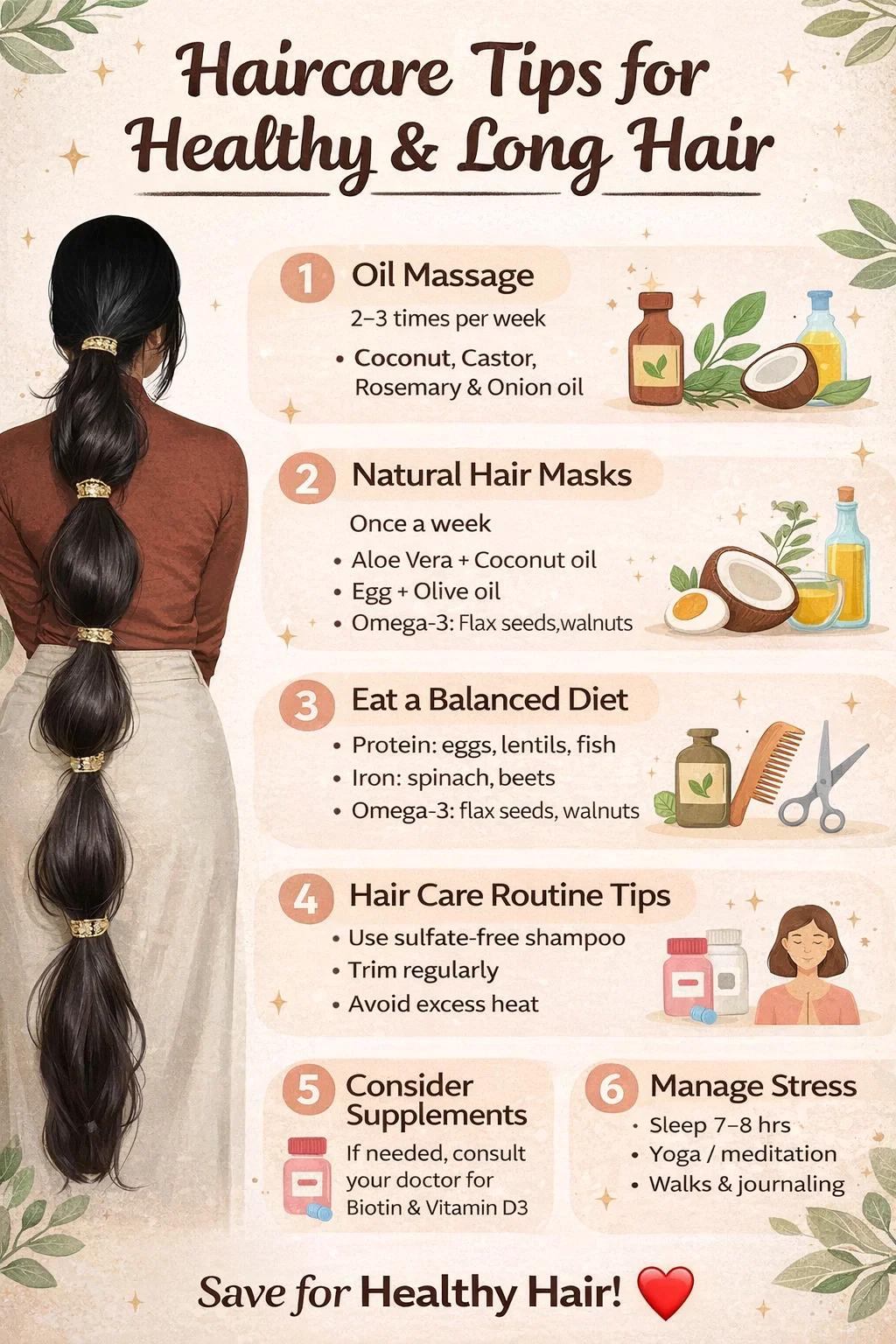
One of the most effective ways to jumpstart hair growth and improve scalp health is through the ancient practice of oil massaging. When you massage your scalp, you increase blood circulation to the hair follicles, ensuring they receive the oxygen and nutrients needed to produce strong strands. Aim to perform an oil massage two to three times a week for the best results.
Choosing the Right Oils for Your Needs
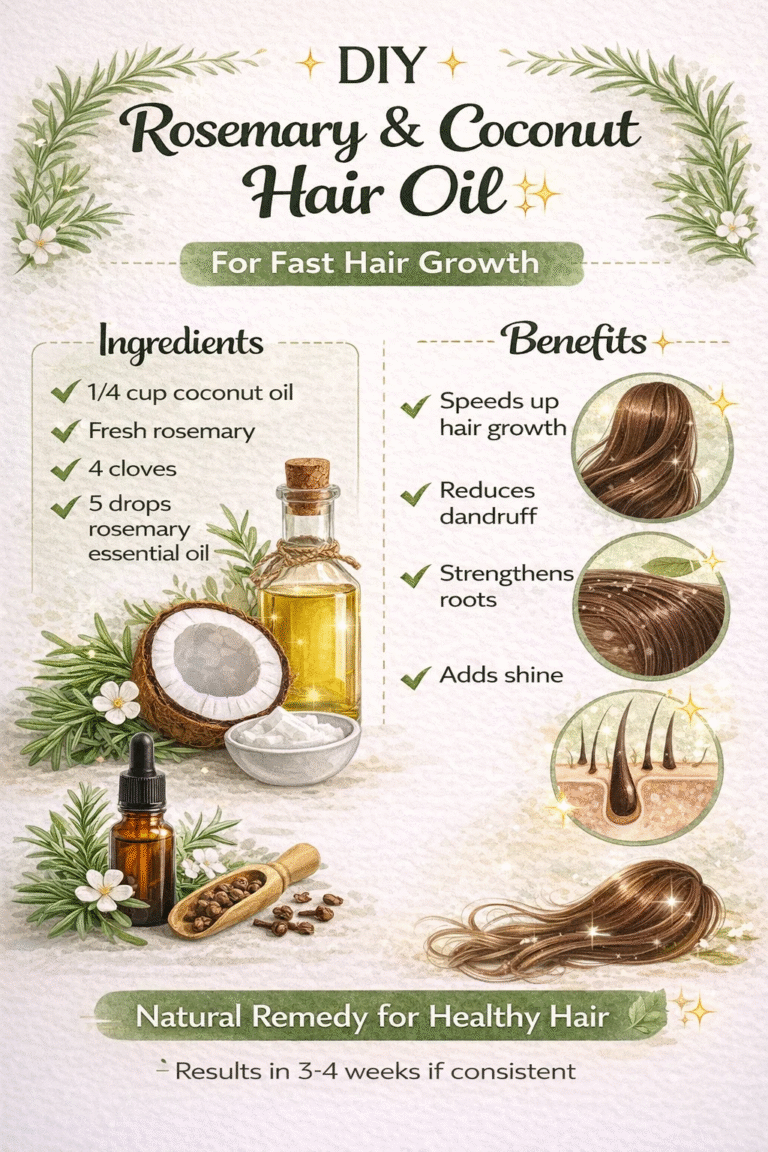
Different oils offer unique benefits depending on your specific hair concerns. Coconut oil is a classic choice because its molecular structure allows it to penetrate the hair shaft deeply, reducing protein loss. For those struggling with thinning or slow growth, Castor oil is highly recommended due to its high concentration of ricinoleic acid, which helps improve blood flow to the scalp.
If you are looking to boost thickness, Rosemary oil has gained immense popularity for its ability to perform similarly to over the counter growth treatments without the harsh chemicals. Additionally, Onion oil is a powerhouse for sulfur, which is a key component of keratin. Using onion oil can significantly reduce breakage and add a healthy shine to your tresses.
Natural Hair Masks for Weekly Deep Conditioning
While daily conditioners are great for detangling, a weekly hair mask provides the deep hydration and repair that your hair craves. These DIY treatments use kitchen staples to target damage and dryness. Consistency is key here. Setting aside one day a week for a hair mask can drastically change the texture of your hair over time.
Effective DIY Mask Recipes
- Aloe Vera and Coconut Oil: This combination is perfect for soothing an itchy scalp and adding intense moisture. Aloe vera contains proteolytic enzymes which repair dead skin cells on the scalp.
- Egg and Olive Oil: Eggs are packed with protein and biotin, providing the structural support your hair needs to resist snapping. Olive oil adds the fats necessary to seal the cuticle.
- Fenugreek (Methi) Paste: Fenugreek seeds are a hidden gem for hair fall. Soaking them overnight and grinding them into a paste creates a mask that strengthens the roots and treats dandruff.
- Onion Juice: If you can handle the scent, applying fresh onion juice directly to the scalp is one of the fastest ways to see a reduction in hair thinning and an increase in volume.
Fueling Growth from Within: A Balanced Diet
No matter how many luxury products you apply topically, your hair health is heavily dependent on what you eat. Hair is essentially a non-essential tissue in the eyes of your body, meaning it is the last place nutrients go. Therefore, you must ensure your diet is overflowing with hair loving vitamins and minerals.
Essential Nutrients for Strong Strands
Protein is the building block of hair. Since the hair follicle is made mostly of a protein called keratin, a deficiency can lead to brittle hair and shedding. Focus on incorporating eggs, paneer, lentils, and fish into your daily meals. For those on a plant based diet, chickpeas and quinoa are excellent alternatives.
Iron is another critical factor. When iron levels are low, your blood cannot carry enough oxygen to your scalp, which can stall the growth cycle. Spinach, beetroot, and jaggery are traditional and effective ways to keep your iron levels in the optimal range. Finally, do not forget Omega 3 fatty acids. Found in flax seeds, walnuts, and chia seeds, these healthy fats provide the oils that keep your scalp hydrated and your hair looking glossy rather than parched.
Daily Routine Tips for Damage Prevention
Sometimes, the best thing you can do for your hair is to stop doing the things that hurt it. Small adjustments to your daily grooming habits can prevent the split ends and mechanical damage that often prevent hair from reaching longer lengths.
Mastering the Wash and Dry Process
Always reach for a sulfate free shampoo. Sulfates are harsh detergents that strip away the natural oils your scalp produces to protect the hair. Furthermore, avoid the temptation of a steaming hot shower. Hot water opens the hair cuticle too wide, leading to moisture loss and frizz. Lukewarm or cool water is your best friend for maintaining a smooth surface.
When you step out of the shower, be incredibly gentle. Wet hair is at its most vulnerable state because the hydrogen bonds are temporarily broken. Do not brush wet hair with a standard brush. Instead, use a wide tooth comb or simply wait until it is mostly dry. Regular trims, even just a quarter inch every few months, are also vital. Trimming split ends prevents the tear from traveling up the hair shaft and ruining the entire strand.
When to Consider Supplements
In a perfect world, we would get every vitamin we need from our food. However, busy lifestyles or underlying health conditions can sometimes create gaps. If you have optimized your diet and are still experiencing significant hair fall, it might be time to consult a medical professional about supplements.
Biotin (Vitamin B7) is the most well known supplement for hair and nails. It helps produce keratin and can improve hair infrastructure. Vitamin D3 is also crucial, as low levels have been linked to alopecia and general thinning. Always remember that supplements should be an addition to a healthy lifestyle, not a replacement for good nutrition.
The Mind Body Connection: Managing Stress
It might seem surprising, but your mental state has a direct impact on your hair. High levels of cortisol, the stress hormone, can push hair follicles into a resting phase, causing them to fall out all at once a few months after a stressful event. This condition is known as telogen effluvium.
Incorporating Meditation or Yoga into your weekly routine can help keep your cortisol levels in check. Additionally, never underestimate the power of regular sleep. During the seven to eight hours you spend sleeping, your body goes into repair mode, regenerating tissues and balancing hormones that affect hair growth. Simple activities like daily walks or journaling can also provide the emotional release necessary to keep your body and your hair in a state of growth rather than stress.
Conclusion: Your Journey to Radiant Hair
Transforming your hair is a marathon, not a sprint. By combining the external care of oil massages and natural masks with the internal support of a nutrient dense diet and stress management, you are creating the perfect environment for your hair to thrive. Start by picking two or three of these habits to integrate into your life this week. Whether it is switching to a sulfate free shampoo or adding flax seeds to your morning smoothie, every small step brings you closer to the healthy, long, and shiny hair you deserve. Be patient with the process, stay consistent, and your hair will surely thank you for the extra love and attention.