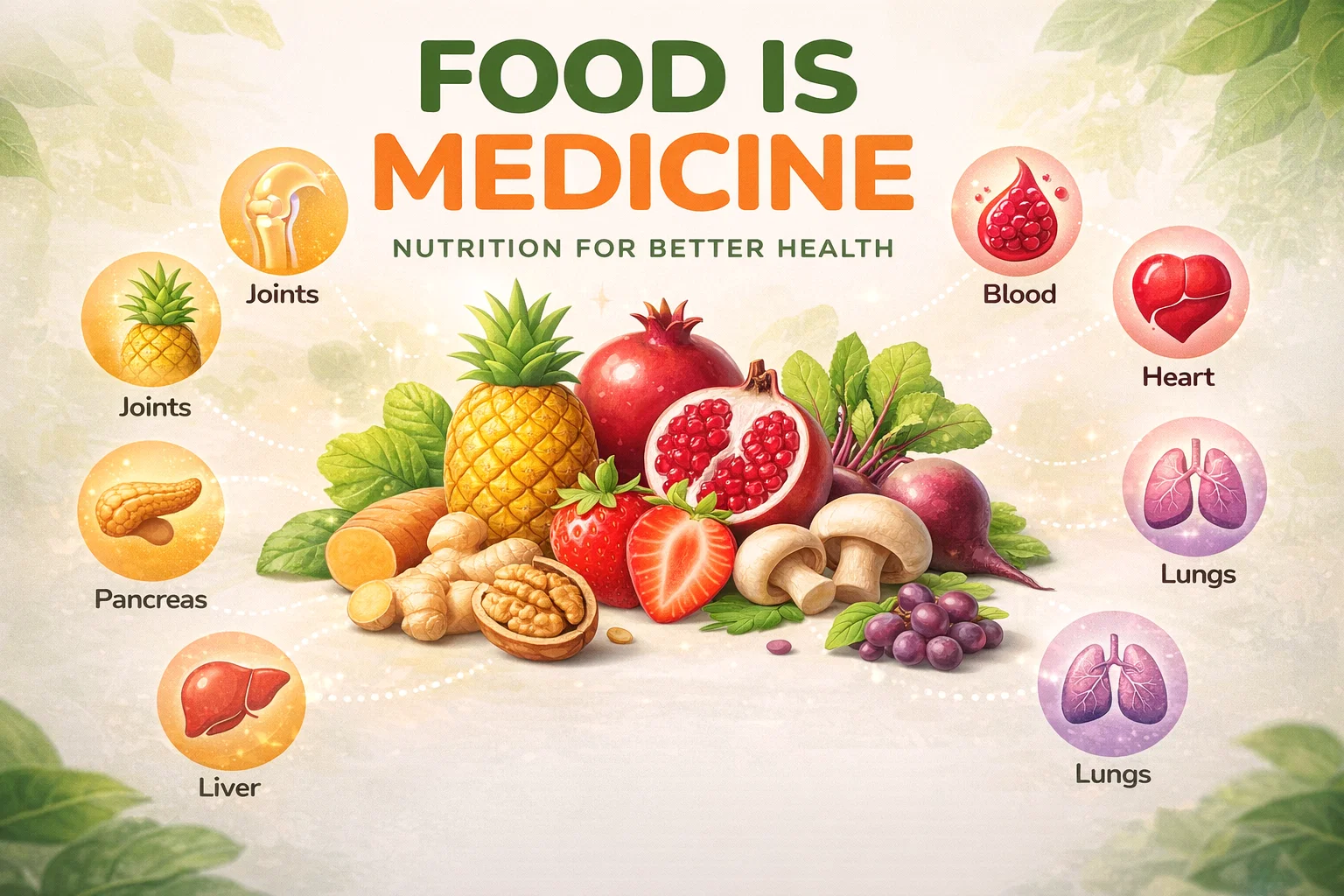
Healing Foods for Vital Organs Natural Remedies for Heart, Brain, Liver Joint Health
The concept that nature provides a roadmap for our health is not just a poetic sentiment; it is a physiological reality. Many of the most nutrient-dense foods on the planet bear a striking resemblance to the very human organs they are designed to nourish. This visual connection, often referred to as the Doctrine of Signatures, serves as a powerful reminder that our bodies are deeply intertwined with the natural world. When we look at a sliced carrot, we see an eye. When we crack open a walnut, we see a brain. These similarities are more than just coincidences; they are invitations to understand how the chemical compounds within these plants interact with our biological systems to promote healing and vitality.
Adopting the mindset that food is medicine shifts the focus from restriction to abundance. Instead of looking at what we should remove from our diets, we can begin to look at what we can add to support our hearts, brains, joints, and digestion. By intentionally selecting whole foods that mirror our anatomy, we can build a foundation of wellness that feels intuitive and sustainable. In this guide, we will explore the specific relationships between common fruits, vegetables, and the human body, uncovering the science behind why these natural remedies are so effective at keeping us thriving.
The Heart of Health: Tomatoes and Strawberries
The heart is the engine of the human body, tirelessly pumping blood to every extremity. It is no surprise that some of the most vibrant red foods in nature are specifically designed to support cardiovascular health. Tomatoes, when sliced open, reveal multiple chambers that mirror the structure of the human heart. Beyond the visual link, tomatoes are packed with lycopene, a powerful antioxidant that has been shown to reduce the risk of heart disease and lower LDL cholesterol levels. Cooking tomatoes actually increases the bioavailability of lycopene, making tomato sauces and stews a heart-healthy staple.
The Antioxidant Power of Strawberries
Strawberries are another red powerhouse for the heart. Their shape is remarkably similar to the heart, and their high concentration of polyphenols helps to improve blood flow and reduce inflammation within the arteries. Strawberries are also rich in vitamin C and potassium, both of which play a vital role in maintaining healthy blood pressure levels. Including a handful of these berries in your daily routine can provide the micronutrients necessary to keep your cardiovascular system resilient and efficient.
Brain Food: The Remarkable Walnut
If there is one food that perfectly illustrates the connection between nature and anatomy, it is the walnut. With its two halves, folded surface, and hard protective shell, it is a near-perfect replica of the human brain. Science backs up this visual cue, as walnuts are one of the best plant-based sources of omega-3 fatty acids, specifically alpha-linolenic acid. These healthy fats are essential for cognitive function, memory retention, and the prevention of neurodegenerative diseases.
Regular consumption of walnuts has been linked to improved mood and faster processing speeds. The antioxidants found in walnuts, such as vitamin E and polyphenols, help to combat oxidative stress in the brain, which is a leading cause of cognitive decline as we age. Sprinkling walnuts over a salad or enjoying them as a quick snack is one of the easiest ways to provide your brain with the fuel it needs to stay sharp and focused throughout the day.
Nourishing the Liver and Blood: Beetroot and Pomegranates
The liver is our primary detoxification organ, responsible for filtering toxins and processing nutrients. Beetroot, with its deep, earthy red hue, is a legendary supporter of liver function. It contains betalains, which are compounds that help the liver neutralize toxins and reduce oxidative damage. Furthermore, the nitrates found in beets convert into nitric oxide in the body, which helps to dilate blood vessels and improve overall circulation.
Pomegranates and Blood Vitality
Pomegranates are often called the fruit of life, and for good reason. When you open a pomegranate, the clusters of red seeds look remarkably like red blood cells. Pomegranates are exceptionally high in iron and antioxidants that help to increase hemoglobin levels and improve the quality of the blood. Drinking pomegranate juice or adding the seeds to your breakfast can help fight anemia and ensure that your blood is carrying oxygen efficiently to all your vital organs.
Joint Health and the Power of Pineapple
Joint pain and inflammation can significantly impact our quality of life, making movement a chore rather than a joy. Pineapple contains a unique enzyme called bromelain, which is a natural anti-inflammatory agent. Bromelain is particularly effective at reducing swelling and pain in the joints, making it a favorite for those dealing with arthritis or recovering from physical injuries. The tough, segmented exterior of the pineapple even suggests the complex structure of our joints and connective tissues.
To get the most benefit from pineapple, it is important to eat it fresh, as heat can destroy the sensitive bromelain enzymes. Including the core of the pineapple, where the enzyme concentration is highest, in a smoothie is an excellent way to support your mobility. The manganese found in pineapple also contributes to bone density, providing a double-sided approach to skeletal health.
The Digestive Duo: Ginger and Sweet Potatoes
Our digestive system is the gateway to our health, and two specific roots are renowned for their ability to keep things moving smoothly. Ginger root, which often resembles the shape of the stomach, has been used for thousands of years to treat nausea, indigestion, and motion sickness. Its active compounds, gingerols and shogaols, help to stimulate digestive enzymes and speed up the emptying of the stomach, providing quick relief from discomfort.
Supporting the Pancreas with Sweet Potatoes
Sweet potatoes bear a striking resemblance to the pancreas, an organ responsible for regulating blood sugar and producing digestive enzymes. Unlike regular white potatoes, sweet potatoes have a lower glycemic index and are rich in beta-carotene. This helps to stabilize blood sugar levels and reduces the workload on the pancreas. By supporting this vital organ, sweet potatoes help prevent energy crashes and long-term metabolic issues.
Respiratory Support: The Role of Grapes
The lungs are made up of tiny air sacs called alveoli, which look exactly like clusters of grapes. This visual similarity is a clue to the respiratory benefits of this fruit. Grapes, especially the dark purple and red varieties, contain resveratrol, an antioxidant that has been shown to reduce inflammation in the lungs. This makes grapes an excellent dietary choice for individuals looking to support their respiratory health or manage conditions like asthma.
Grapes are also high in water content, which helps to keep the mucosal linings of the respiratory tract hydrated. A well-hydrated system is better equipped to filter out pollutants and allergens. Whether eaten fresh or frozen, grapes provide a refreshing way to protect the delicate tissues of your lungs and improve your breathing capacity.
The Hidden Hero: Mushrooms and Hearing
When you slice a white button mushroom in half, it looks almost exactly like a human ear. Interestingly, mushrooms are one of the few dietary sources of vitamin D, which is crucial for the health of the tiny bones inside the ear that transmit sound to the brain. Maintaining healthy vitamin D levels can help prevent age-related hearing loss and keep your auditory system functioning at its peak. Including mushrooms in your stir-fries or soups is a simple way to protect your hearing while enjoying a savory, nutrient-dense ingredient.
Building a Plate with Purpose
Integrating these healing foods into your daily life does not require a complete dietary overhaul. It starts with small, intentional choices. When you go grocery shopping, look for the colors and shapes that resonate with the areas of your health you want to improve. A diet rich in variety ensures that you are receiving a full spectrum of phytonutrients, vitamins, and minerals that work synergistically to keep you well.
- Focus on Freshness: Choose organic and locally grown produce whenever possible to maximize nutrient density.
- Eat the Rainbow: Different colors signify different antioxidants. Aim to have at least three different colors on your plate at every meal.
- Mindful Preparation: While some foods are better raw, others like tomatoes and carrots benefit from light cooking to release their nutrients.
- Listen to Your Body: Pay attention to how you feel after eating certain foods. Your body will often tell you exactly what it needs.
Embracing the Natural Path to Wellness
Understanding that food is medicine empowers us to take control of our health in a way that is natural and accessible. The visual clues provided by nature are a testament to the wisdom found in whole foods. By choosing walnuts for our brains, tomatoes for our hearts, and ginger for our stomachs, we are participating in a tradition of healing that is as old as humanity itself.
As you continue your wellness journey, remember that consistency is key. You do not need to be perfect; you simply need to be mindful. Every time you choose a piece of fruit or a fresh vegetable over a processed snack, you are sending a signal to your body that you value its health and longevity. Nature has already provided the medicine; all we have to do is sit down at the table and enjoy the feast.