Health Benefits of Onions Onion Skins Natural Remedies
Next time you are prepping dinner and getting ready to toss those papery onion skins into the compost bin or trash, you might want to pause and reconsider. We have all been conditioned to peel away the dry, outer layers of our produce to get to the juicy, edible parts inside. However, nutritional science and traditional holistic remedies are proving that we might actually be throwing away the most nutritious part of the vegetable. Onions are an absolute staple in kitchens around the globe, providing the essential flavor foundation for countless savory dishes, from rich sauces to hearty stews. But the skins, those seemingly useless and brittle outer layers, harbor an incredible secret. They are packed with a shocking amount of health benefits, potent antioxidants, and healing properties that can easily be incorporated into your daily routine. Today, we are going to dive deep into the fascinating world of onion skins and the humble onion itself to discover why this common kitchen allium deserves a permanent and celebrated place in your natural wellness toolkit.
The Hidden Nutritional Powerhouse in Your Trash Can
It is a common misconception that the nutritional value of a fruit or vegetable lies entirely within its flesh. In the case of onions, the exact opposite is true for several key compounds. The protective outer layers of the onion serve as a shield against environmental stressors, pests, and harsh weather. Because of this protective role, the plant concentrates a massive amount of its defensive compounds directly into the skin. When you discard the skin, you are discarding a highly concentrated source of plant medicine.
A Surprising Source of Antioxidants
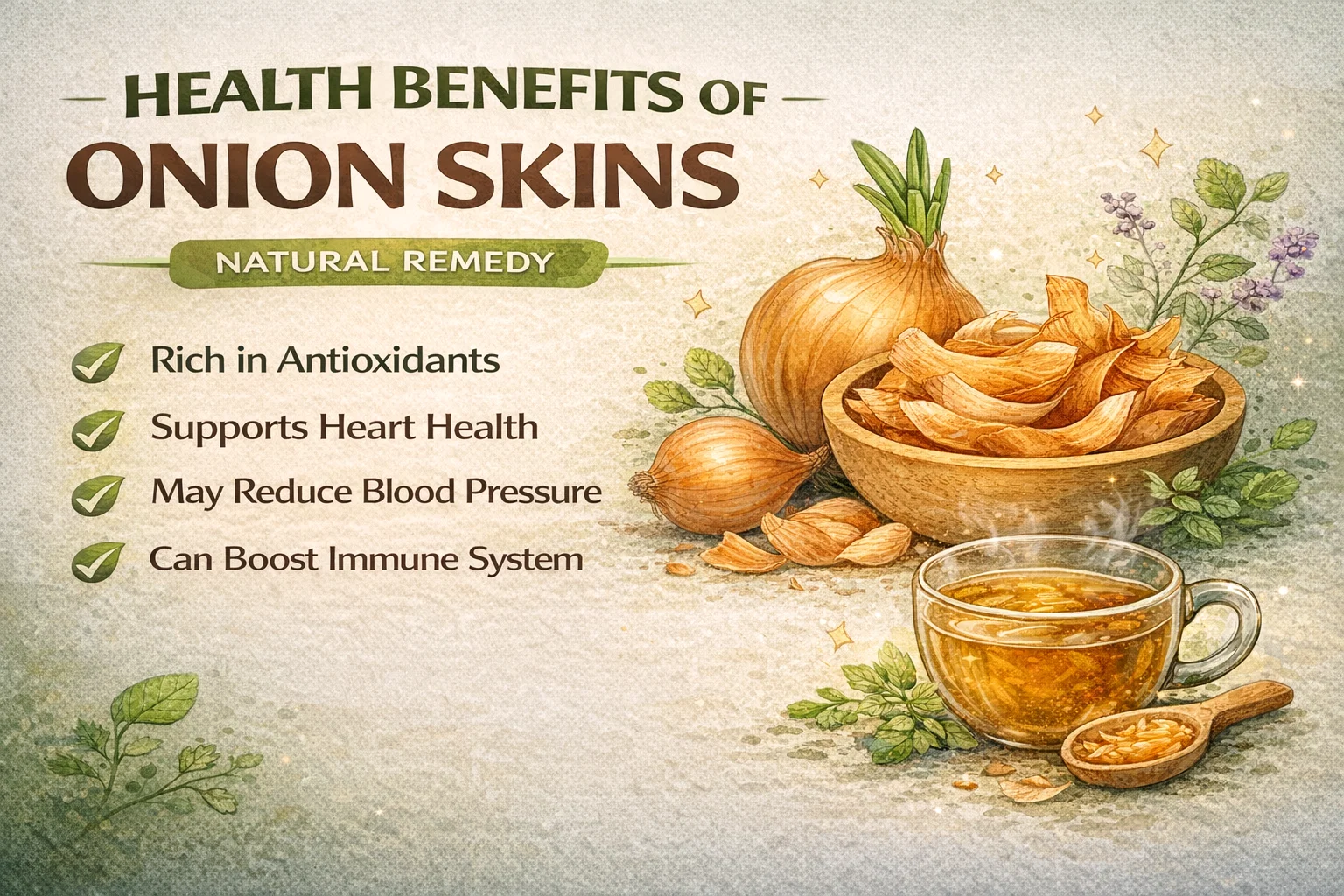
One of the most remarkable facts about onion skins is that they actually contain significantly more antioxidants than the actual onion flesh itself. Antioxidants are vital compounds that help protect your cells from oxidative stress and damage caused by free radicals in the body. Free radicals are unstable molecules that can contribute to aging, inflammation, and various chronic diseases. By utilizing the onion skin, you are tapping into a concentrated reservoir of these protective agents. These antioxidants work tirelessly to neutralize harmful molecules, supporting your overall cellular health and boosting your immune system in a completely natural way.
Unlocking the Health Benefits of Onion Skins
The specific compounds found within these papery layers offer a wide array of targeted health benefits that range from cardiovascular support to muscle relief. Let us explore the science-backed advantages of saving your onion skins.
Quercetin and Cardiovascular Health
Onion skins are incredibly rich in a specific flavonoid called quercetin. Quercetin is a powerful plant pigment and antioxidant that has been extensively studied for its impressive health-promoting properties. One of the most notable benefits of high quercetin levels is its potential to help reduce blood pressure. It acts as a natural vasodilator, meaning it helps to relax the blood vessels, allowing blood to flow more freely and reducing the strain on your heart. For individuals looking to support their cardiovascular health through dietary choices, finding ways to extract and consume the quercetin from onion skins is a brilliant and cost-effective strategy.
Lowering LDL Cholesterol Levels
In addition to helping manage blood pressure, the compounds found in onion skins can also aid in improving your overall cholesterol profile. Regular consumption of the nutrients extracted from onion skins has been shown to help lower LDL cholesterol levels. LDL, or low-density lipoprotein, is often referred to as the bad cholesterol because high levels can lead to plaque buildup in your arteries. By helping to reduce these harmful levels, onion skins offer a fantastic, natural way to protect your heart and promote long-term cardiovascular wellness.
Soothing Muscle Spasms
If you suffer from frequent muscle cramps or spasms, the humble onion skin might offer some unexpected relief. The nutrient profile of the skin, including its anti-inflammatory properties, can aid in reducing the severity and frequency of muscle spasms. Whether you are an athlete dealing with post-workout cramps or someone who experiences restless legs at night, incorporating onion skin extracts into your diet can help soothe your muscular system and promote faster recovery.
Culinary Magic: How to Use Onion Skins in Your Cooking
Knowing that onion skins are healthy is only half the battle. The real question is how to actually consume something so dry and papery. The good news is that extracting the beneficial nutrients from onion skins is incredibly easy and adds a wonderful depth of flavor to your home cooking.
The absolute best way to utilize onion skins is to simmer them in your kitchen liquids. Whenever you peel an onion, simply wash the skins thoroughly and store them in an airtight container or bag in your freezer. Once you have collected a good amount, add a handful of these frozen skins to your homemade bone broths, vegetable stocks, rich soups, and hearty stews. As the liquid simmers over low heat, the water extracts the quercetin, antioxidants, and a beautiful rich golden-brown color from the skins. The result is a deeply flavorful, highly nutritious broth. Just remember to strain the actual skins out of the liquid before serving, as their texture remains quite tough to chew!
Beyond the Skin: The Healing Power of the Onion Flesh
While we have established that the skins are a nutritional goldmine, we cannot ignore the incredible medicinal properties of the onion itself. Onions have been used for centuries in traditional folk medicine across various cultures, and modern science continues to validate many of these age-old remedies.
Natural Relief for Coughs and Colds
One of the most classic home remedies involves using raw onions to combat respiratory issues. When you are suffering from a persistent cough or a nasty cold, onion juice can be a highly effective, natural expectorant. Consuming onion juice helps to break up mucus and soothe an irritated throat. You can easily make a natural cough syrup at home by finely chopping a raw onion, covering it with natural honey or sugar, and letting it sit for several hours. The sugar draws out the potent onion juice, creating a sweet and pungent syrup that can be taken by the spoonful to relieve severe coughing fits.
Easing Stomach Aches
It might sound counterintuitive to eat onions when your stomach is upset, especially since raw onions can trigger heartburn in some individuals. However, specific preparations of onions can actually help relieve stomach aches and promote healthy digestion. Onions contain prebiotics, which are specialized types of dietary fiber that feed the good bacteria in your gut. By promoting a healthy microbiome, onions can help regulate digestion and soothe mild gastrointestinal discomfort. A mild, warm onion broth is often recommended to help settle a nervous or aching stomach.
Beauty and First Aid Applications
The benefits of onions extend far beyond the kitchen and the medicine cabinet. This versatile vegetable also boasts impressive applications for your daily beauty routine and basic first aid needs.
Promoting Natural Hair Growth
If you are looking for a natural way to boost your hair health, look no further than your pantry. Onion juice has gained massive popularity in recent years as a highly effective DIY hair mask. The high sulfur content in onions is the secret ingredient here. Sulfur is essential for the production of collagen, a protein that helps produce healthy skin cells and strong hair growth. Applying fresh onion juice directly to your scalp can help stimulate blood circulation to the hair follicles, providing them with the necessary nourishment to grow thicker and stronger. Regular use of an onion juice hair mask can also help combat scalp infections and reduce issues like dandruff, creating the perfect environment for optimal hair growth.
Wound Protection with Allicin
Finally, the humble onion serves as a fantastic natural antiseptic. When an onion is cut or crushed, it releases a powerful anti-microbial compound known as allicin. This is the same compound that gives onions and garlic their distinct, pungent aroma. Allicin has well-documented antibacterial and antifungal properties. In a pinch, applying a freshly cut piece of onion or a sterile onion poultice to a minor scrape or wound can help protect the area from getting infected. The allicin works to neutralize harmful bacteria on contact, providing a natural layer of defense while the skin begins its healing process.
Conclusion
From the papery outer layers to the pungent, juicy core, the onion is truly a marvel of the natural world. By simply changing how we view our kitchen scraps, we can unlock a treasure trove of health benefits. Onion skins are not trash; they are potent sources of antioxidants, quercetin, and heart-healthy compounds waiting to be utilized. Whether you are simmering the skins to create a nutrient-dense soup stock, utilizing the juice for a revitalizing hair mask, or whipping up a natural cough syrup, incorporating the full spectrum of the onion into your life is a brilliant step toward holistic wellness. Start saving those skins today, and embrace the zero-waste kitchen lifestyle that nourishes both your body and the planet.