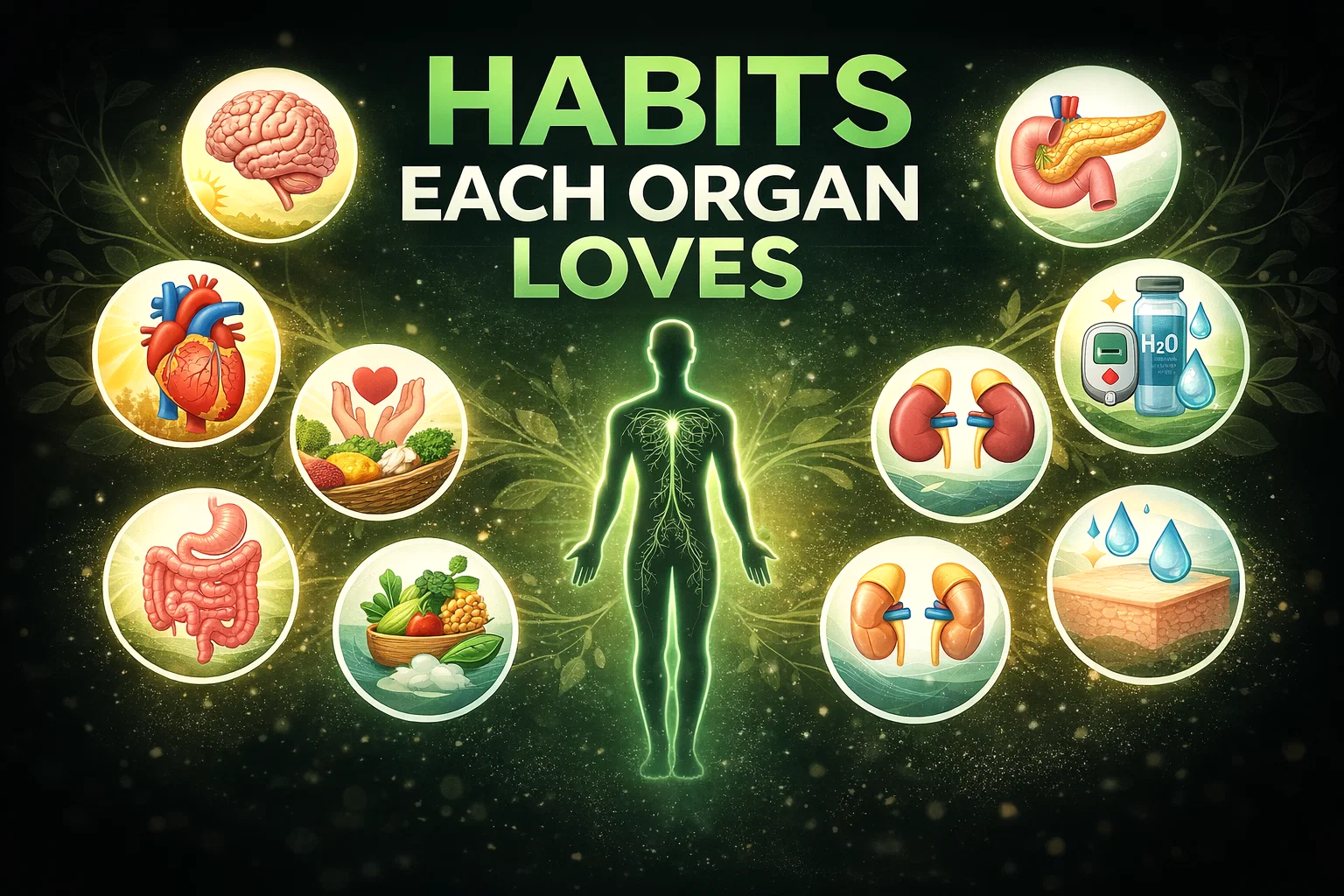
Healthy Habits for Your Organs A Simple Guide to Better Well-Being and Vitality
We often think about health as this big, overwhelming concept that requires radical lifestyle overhauls. But what if we shifted our perspective? Instead of focusing on restrictive diets or grueling fitness regimens, consider this: your body is an incredible, interconnected system where every organ has its own unique needs. When you give your organs exactly what they crave, you do not just survive; you thrive. Understanding how to support your body from the inside out is the ultimate form of self-care.
Shutterstock
Explore
Listen to What Your Organs Need
Our bodies are constantly communicating with us. That fatigue you feel in the afternoon? Your brain might be asking for more rest or better hydration. That sluggish digestion? Your gut is signaling that it needs more fiber and perhaps a slower pace during meals. By learning to tune into these signals, you can tailor your daily habits to support specific bodily functions.
Brain and Heart Health
Your brain is your command center, and it thrives on consistency and intellectual stimulation. Prioritizing deep, restorative sleep allows your brain to clear out metabolic waste accumulated during the day. Pair that with morning sunlight to regulate your circadian rhythm, and you have a recipe for cognitive clarity. Meanwhile, your heart relies on steadiness. It does not just love movement like walking; it benefits immensely from practices that lower cortisol, such as gratitude journaling or simple, rhythmic breathing.
The Power of Digestive and Metabolic Support
The gut is often called the second brain for a reason. Feeding it a diet rich in fiber and fermented foods creates a robust microbiome, which is essential for immunity and mood regulation. Equally important is the act of eating itself. When you eat without rushing, you activate your parasympathetic nervous system, allowing for better nutrient absorption. When it comes to your pancreas, the focus should be on blood sugar stability. Strength training combined with protein-first meals can keep your metabolism efficient and your energy levels steady throughout the day.
Optimizing Internal Systems
Beyond the obvious systems, there are unsung heroes working around the clock to keep you balanced. Your liver, for example, is your primary detoxification organ. It thrives when you provide it with bitter foods, which stimulate bile production, and when you allow for adequate time between meals to facilitate its natural repair processes. Similarly, your kidneys rely on a steady, balanced intake of mineral-rich fluids to maintain the electrolyte balance necessary for proper cellular function.
The Role of Adrenals and the Thyroid
In our fast-paced world, our adrenal glands are often taxed by constant stress. To keep them balanced, focus on gentle movement rather than high-intensity training, and prioritize consistent sleep patterns to keep blood sugar levels from spiking and crashing. Your thyroid, the master regulator of your metabolism, appreciates stability above all else. Providing it with necessary nutrients like iodine and selenium through a balanced diet, alongside maintaining a stable daily routine, can help prevent the hormonal fluctuations that often lead to fatigue.
External Systems and Daily Movement
We often forget that our skin is our largest organ, and it reflects our internal health. Hydration is key, but so are healthy fats, which provide the building blocks for skin cell integrity. Your joints, too, require specific care to remain supple. Low-impact movement like swimming or yoga, combined with collagen-rich foods, can help maintain mobility and reduce inflammation as you age.
Supporting the Lungs and Lymphatic System
Breathing is something we do automatically, but we rarely do it optimally. Practicing nasal breathing and slow, deep exhales can significantly reduce stress and improve oxygen exchange in the lungs. Finally, don’t overlook your lymphatic system. Because it does not have a pump like the heart, it relies entirely on your movement to circulate. Rebounding, stretching, and even techniques like dry brushing can help move lymph fluid, ensuring that toxins are transported out of the body efficiently.
A Sustainable Path Forward
Transforming your health does not mean you have to be perfect. It means choosing one or two habits from this list and integrating them into your day until they become second nature. Maybe you start by slowing down your lunch, or perhaps you commit to a ten-minute walk after dinner. Whatever path you choose, remember that consistency beats intensity every single time.
Your body is working for you every second of the day. By aligning your habits with the natural needs of your organs, you are not just checking boxes on a to-do list; you are honoring the complex, beautiful machine that allows you to experience life. Start small, listen closely, and enjoy the process of becoming your healthiest self.
Would you like me to elaborate on specific nutrition plans for any of these organ systems?