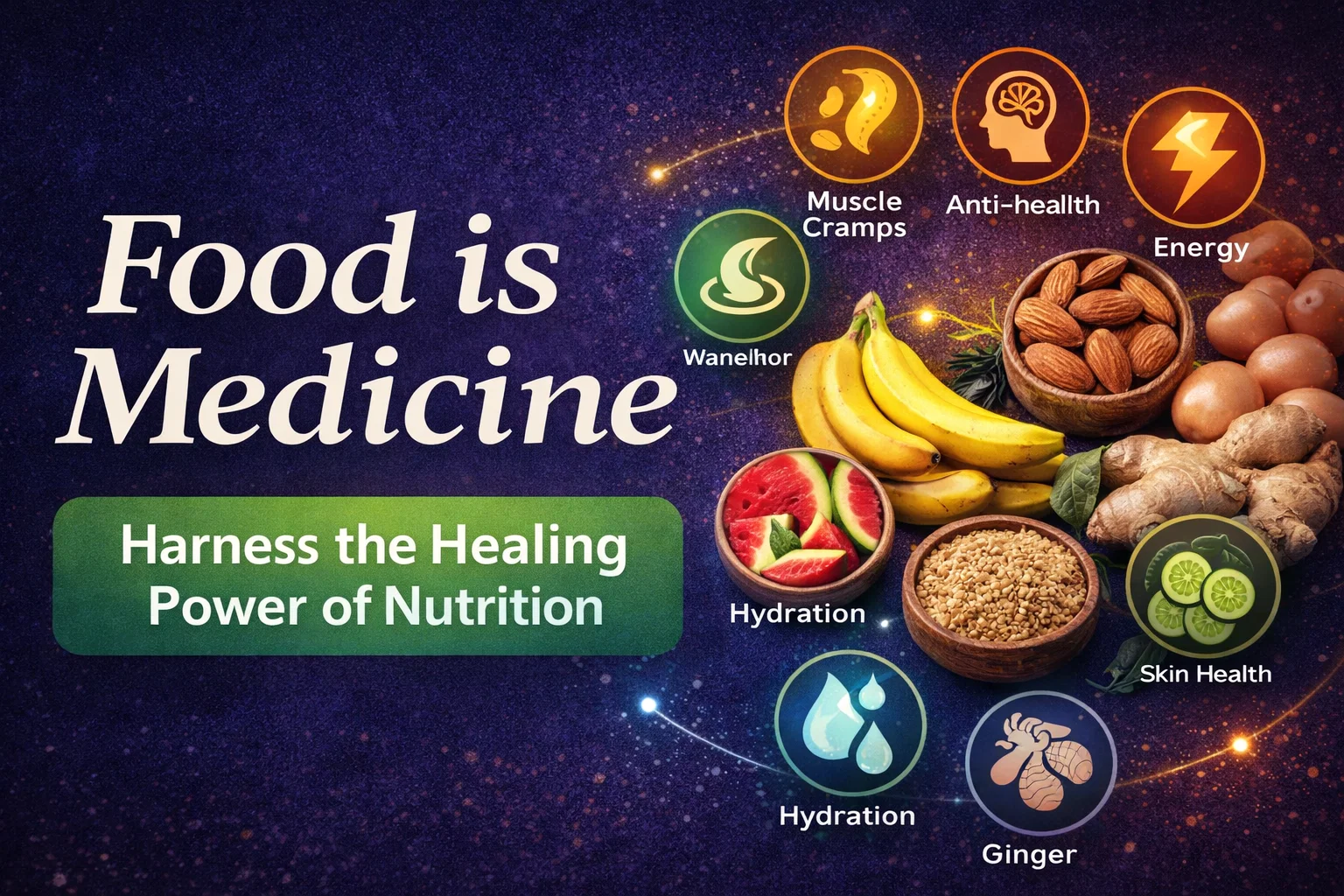
Healthy Superfoods List for Natural Healing Food as Medicine Guide
Have you ever walked through the produce aisle and felt like you were standing in the middle of a natural pharmacy? It is a powerful shift in perspective. Instead of viewing food merely as fuel or a source of calories, we can begin to see every bite as an opportunity to heal, protect, and energize our bodies. The concept of food is medicine is not just a trendy catchphrase; it is a fundamental truth about how our biology interacts with the natural world. From the anti-inflammatory power of golden turmeric to the heart-healthy fats in a handful of walnuts, the ingredients we keep in our kitchens are some of the most potent tools we have for long-term wellness.
The Science Behind Food as Natural Medicine
Modern nutrition science is finally catching up to ancient wisdom. For centuries, cultures around the world used herbs, fruits, and vegetables to treat ailments long before synthetic pills existed. When we look at the chemical makeup of whole foods, we find complex compounds like polyphenols, antioxidants, and essential fatty acids that communicate directly with our cells. These nutrients do not just prevent deficiencies; they actively work to lower inflammation, repair DNA, and balance hormones.
Choosing whole foods over processed alternatives ensures that you are getting these compounds in their most bioavailable form. Unlike isolated supplements, the nutrients in whole foods work synergistically. For example, the vitamin C in a lemon helps your body absorb the iron in leafy greens, and the healthy fats in eggs help you process fat-soluble vitamins like A, D, E, and K. This biological teamwork is why a diverse diet is the ultimate prescription for health.
Nature’s Best Remedies: A Deep Dive into the Superfood List
The image we are analyzing highlights sixteen incredible staples that many of us already have in our pantries. Let’s break down why these specific items are so vital for your health strategy.
1. Turmeric: The Ultimate Anti-Inflammatory
Turmeric is perhaps the most famous medicinal spice on the planet. Its active compound, curcumin, is a biological powerhouse. Chronic inflammation is at the root of almost every modern disease, from arthritis to heart disease. By incorporating turmeric into your diet, you are essentially providing your body with a natural shield against systemic stress. To get the most out of it, always pair turmeric with a pinch of black pepper, which contains piperine to increase curcumin absorption by up to 2,000 percent.
2. Beets and Cinnamon: Regulating Your Circulation
Blood pressure and blood sugar are two of the most critical markers of cardiovascular health. Beets are rich in dietary nitrates, which the body converts into nitric oxide. This molecule relaxes and dilates your blood vessels, improving blood flow and naturally lowering blood pressure. On the other hand, cinnamon is a secret weapon for metabolic health. It has been shown to improve insulin sensitivity, making it easier for your body to manage glucose levels after a meal.
3. Walnuts and Almonds: Fueling the Brain and Heart
Have you ever noticed that a walnut looks exactly like a tiny human brain? This is a perfect example of the doctrine of signatures. Walnuts are packed with DHA, a type of Omega-3 fatty acid that is crucial for cognitive function and protecting the brain from age-related decline. Almonds complement this by providing high levels of Vitamin E, an antioxidant that supports memory and overall brain longevity. Together, these nuts provide the healthy fats your heart needs to stay flexible and strong.
Digestive Health and the Power of the Microbiome
A huge portion of our immune system resides in our gut, which is why digestive health is a recurring theme in the food is medicine philosophy. The image points us toward yogurt and apples as primary contributors to this internal ecosystem.
Yogurt and Probiotics
Yogurt is a fermented food that introduces beneficial bacteria into your digestive tract. A healthy microbiome is linked to better mood, clearer skin, and a stronger immune response. When choosing yogurt, look for options with live and active cultures and avoid those with high amounts of added sugar, which can actually feed the bad bacteria you are trying to crowd out.
Apples and Fiber for Constipation
The old saying about an apple a day really does hold weight. Apples are a fantastic source of pectin, a type of soluble fiber that acts as a prebiotic. This fiber provides the fuel your gut bacteria need to thrive and helps regulate bowel movements, making them a natural and gentle solution for constipation. Eating the skin is essential, as that is where much of the fiber and antioxidant content lives.
Boosting Immunity and Detoxifying Naturally
Our bodies are constantly bombarded by environmental toxins and seasonal viruses. Strengthening your internal defenses through nutrition is the most effective way to stay resilient throughout the year.
- Strawberries for Immunity: While many think of oranges first, strawberries are actually an incredible source of Vitamin C and manganese. These antioxidants help protect your cells from oxidative stress and keep your immune system on high alert.
- Lemons for Detox: Starting your day with lemon water is a classic wellness ritual for a reason. Lemons support liver function and stimulate bile production, helping your body process and flush out waste more efficiently.
- Honey for Sore Throats: Raw honey is a natural antibacterial agent. It coats the throat to provide immediate relief from irritation while fighting the underlying bacteria that might be causing a cough.
Managing Physical Pain and Performance
If you are active or suffer from chronic aches, your kitchen can serve as a recovery center. Instead of reaching for over the counter painkillers immediately, consider how these foods can help your muscles recover.
Ginger for Muscle Pain
Ginger contains gingerols, which have potent analgesic properties. Much like turmeric, ginger works to reduce the inflammatory response in muscle tissue after a workout. Whether you grate it into a tea or add it to a stir-fry, it is a fantastic natural way to manage soreness without the side effects of pharmaceutical NSAIDs.
Bananas for Muscle Cramps
We have all experienced that sharp, sudden pain of a leg cramp. Bananas are the go-to remedy because they are rich in potassium and magnesium. These electrolytes are essential for proper muscle contraction and relaxation. If you find yourself cramping often, it is usually a sign that your mineral levels are out of balance.
Hydration Beyond Just Water
Staying hydrated is about more than just drinking eight glasses of water. It is also about the structured water found in fresh produce. Watermelon and cucumber are over 90 percent water, but they also contain essential minerals and electrolytes that help your cells actually absorb that moisture. Eating your hydration through these foods is a great way to support skin health and keep your energy levels steady throughout a hot day.
How to Start Your Food is Medicine Journey
Transitioning to a medicinal diet does not mean you have to overhaul your entire life overnight. It is about making intentional choices one meal at a time. Here are a few ways to begin:
Shop the Perimeter
In most grocery stores, the whole, medicinal foods are located around the outer edges of the building. This is where you find the fresh produce, eggs, and refrigerated items. The inner aisles are usually where the processed, shelf-stable foods live. By spending most of your time on the perimeter, you naturally fill your cart with medicine.
Focus on Color
The pigments that give fruits and vegetables their vibrant colors are the same compounds that provide health benefits. Aim to eat a rainbow every day. Deep reds in beets, bright yellows in lemons, and earthy oranges in turmeric all signal different types of phytonutrients.
Cook More at Home
When you cook for yourself, you are the pharmacist. You control the quality of the oils, the amount of salt, and the freshness of the ingredients. Even simple meals like overnight oats with walnuts and cinnamon can be a powerful health intervention when prepared with care.
The Long Term Benefits of a Nutrient Dense Lifestyle
The beauty of using food as medicine is that the side effects are all positive. When you treat a specific issue, like using beets for blood pressure, you aren’t just helping your heart. You are also improving your skin with the vitamins in the beets, boosting your energy, and supporting your liver. It is a holistic approach that treats the whole person rather than just a single symptom.
Over time, this lifestyle builds a foundation of health that makes you less reliant on reactive medicine. It empowers you to understand your body’s signals and respond to them with the nutrients it is craving. You will likely find that your mood stabilizes, your sleep improves, and your brain fog lifts as your body finally gets the high-quality raw materials it needs to function at its peak.
Conclusion: Your Kitchen is Your Health Haven
Embracing the idea that food is medicine is one of the most empowering decisions you can make for your future. The sixteen foods we discussed today—from the humble apple to the spicy ginger root—are just the beginning of a vast world of natural healing. By shifting your focus toward whole, nutrient-dense ingredients, you are investing in a longer, more vibrant life.
The next time you prepare a meal, take a moment to appreciate the incredible chemistry on your plate. Every strawberry is an immune boost; every almond is a brain-builder. Start small, be consistent, and listen to how your body responds. You have the power to influence your health with every forkful. Here is to a healthier, happier you, fueled by the best medicine nature has to offer.