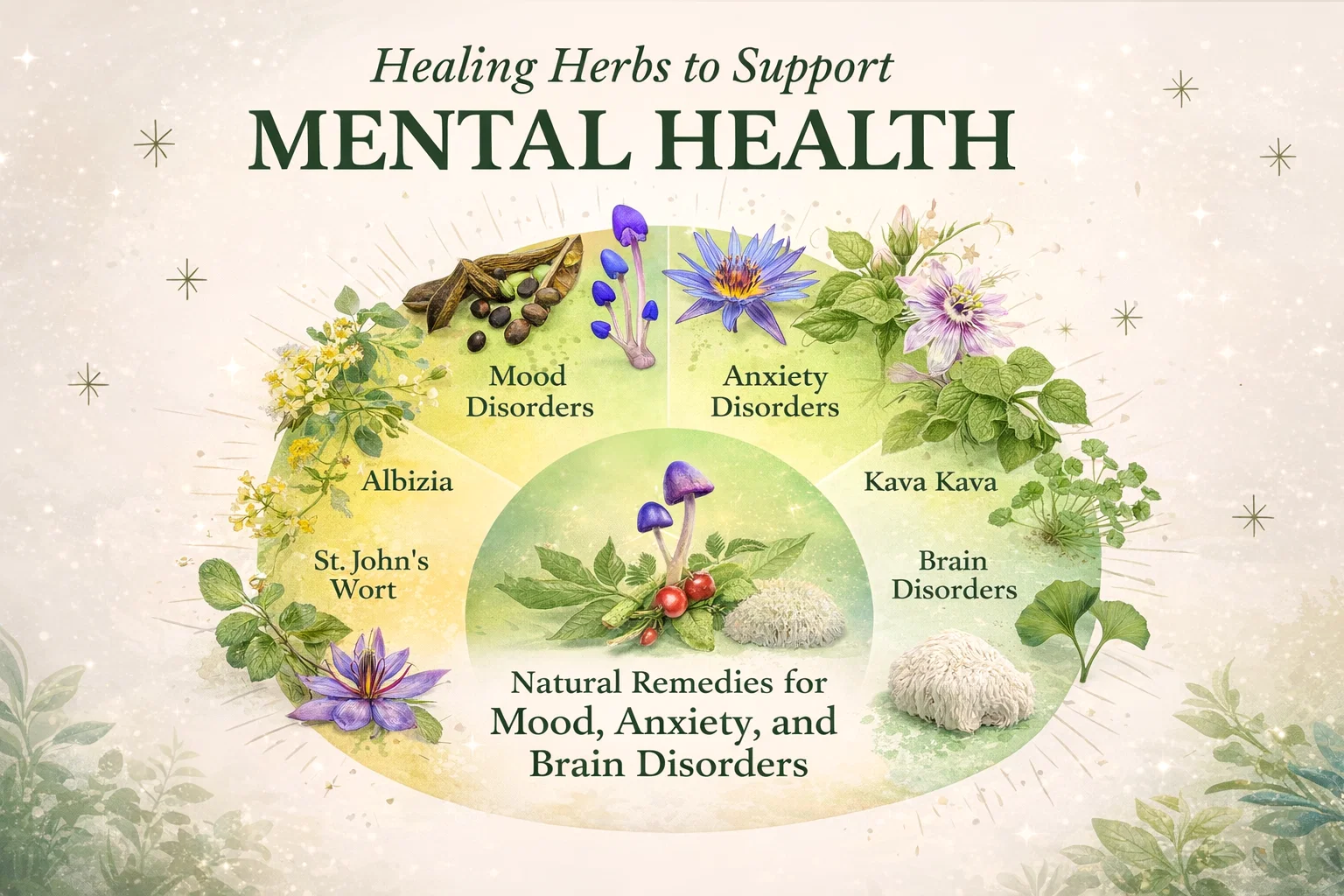
Herbalism for Mental Health Best Healing Herbs for Anxiety, Mood Focus Natural Remedies
The journey toward mental well-being is deeply personal, and for many, it leads back to the wisdom of the earth. For centuries, traditional cultures have turned to the plant kingdom to soothe the spirit, sharpen the mind, and balance the emotions. Today, as we navigate an increasingly fast-paced world, the ancient practice of herbalism is seeing a powerful resurgence. By integrating specific healing herbs into our daily routines, we can support our nervous systems and foster a sense of internal harmony that radiates through every aspect of our lives.
Understanding the Connection Between Plants and the Mind
Our bodies are biological systems that respond dynamically to the compounds found in nature. When we talk about herbalism for mental health, we are looking at how phytochemicals interact with our neurotransmitters, hormones, and stress response pathways. Many of the plants we admire for their beauty also carry potent medicinal properties that can help bridge the gap between physical health and psychological stability. Whether it is through calming a racing heart or providing the mental clarity needed to tackle a difficult day, these botanical allies work in tandem with our natural rhythms.
The Role of Adaptogens in Stress Management
One of the most exciting categories in modern herbalism is the group known as adaptogens. These are unique plants that help the body “adapt” to stress, whether that stress is physical, chemical, or biological. Rather than pushing the body in one specific direction, adaptogens have a normalizing effect. They help regulate the adrenal system, which is responsible for our fight or flight response. By toning these systems, herbs like Ashwagandha and Rhodiola allow us to maintain a level head even when life feels overwhelming.
Powerful Herbs for Mood Stability and Depression
Mood disorders can feel like a heavy cloud, but certain herbs are celebrated for their ability to bring a bit of sunshine back into the picture. These plants often work by supporting the availability of serotonin and dopamine, the chemicals in our brain responsible for feelings of happiness and reward.
- St. John’s Wort: Perhaps the most famous herb for mood support, this vibrant yellow flower has been studied extensively for its ability to help with mild to moderate depression. It is thought to keep more serotonin available in the brain, much like some modern interventions, but in a botanical form.
- Albizia: Often referred to as the Tree of Happiness in Traditional Chinese Medicine, Albizia flowers and bark are used to relieve “constrained emotions.” It is a beautiful ally for those dealing with grief, heartbreak, or chronic irritability.
- Saffron: This precious spice is not just for cooking. Recent studies have shown that Saffron can be incredibly effective at lifting the spirits and reducing symptoms of low mood, making it a luxurious and potent addition to a mental health protocol.
Calming the Storm: Herbs for Anxiety and Panic
Anxiety often feels like an overactive engine that refuses to shut down. In herbalism, we use nervines to help quiet this noise. Nervines are herbs that specifically target the nervous system to reduce tension and promote a sense of calm. These are perfect for those moments when your thoughts are spinning or your body feels physically tight from worry.
Passionflower and the Gift of Tranquility
Passionflower is a stunning climbing vine that acts as a gentle sedative for the mind. It is particularly helpful for people who suffer from circular thinking, where the same worries loop over and over. By increasing levels of GABA (gamma-aminobutyric acid) in the brain, Passionflower lowers brain activity, helping you feel more relaxed and centered.
Kava Kava: The Social Relaxant
Hailing from the Pacific Islands, Kava Kava is traditionally used as a ceremonial drink to promote sociability and relaxation. It is unique because it can reduce heavy feelings of anxiety without dulling mental clarity. For those who feel tense in social situations or struggle with physical restlessness, Kava provides a grounded, earthy sense of peace.
Cognitive Support and Neuroprotection
Mental health isn’t just about how we feel; it is also about how we think. Brain fog, memory lapses, and cognitive decline can significantly impact our emotional well-being. Nootropic herbs and mushrooms are nature’s way of protecting our neurons and enhancing our mental performance.
Lion’s Mane: The Smart Mushroom
Lion’s Mane is a unique fungus that looks like a white, shaggy mane. It has gained massive popularity for its ability to stimulate Nerve Growth Factor (NGF). This means it actually helps repair and grow neurons. For anyone feeling “frazzled” or struggling to focus, Lion’s Mane offers a regenerative approach to brain health, which in turn supports a more stable and confident mental state.
Ginkgo Biloba for Circulation
Ginkgo is one of the oldest living tree species, and its leaves are a powerhouse for brain health. By improving blood flow to the brain, Ginkgo ensures that our most vital organ is getting the oxygen and nutrients it needs to function at its peak. Improved circulation often leads to better memory, quicker thinking, and a reduction in the cognitive fatigue that can lead to frustration and anxiety.
Deep Sleep and the Nervous System
You cannot have good mental health without good sleep. It is during our deepest rest that our brain flushes out toxins and processes the emotions of the day. When sleep is interrupted, our resilience crumbles. Herbs like Blue Lotus and Lemon Balm are wonderful for preparing the body for a restorative night of rest.
Lemon Balm is a member of the mint family and is incredibly easy to grow. It has a bright, citrusy scent that immediately lifts the mood while simultaneously relaxing the digestive system and the brain. It is gentle enough for children but effective enough for adults struggling with insomnia triggered by stress. Blue Lotus, on the other hand, has been used since ancient Egypt for its dream-inducing and deeply relaxing qualities, making it a mystical and effective sleep aid.
Holistic Approaches to Specialized Concerns
Beyond general anxiety and depression, herbalism offers support for more complex conditions. While these should always be approached with professional guidance, the following plants have shown promise in specific areas of mental wellness:
- Mucuna: Also known as Velvet Bean, this plant is a natural source of L-Dopa, a precursor to dopamine. It is often used to support those dealing with Parkinson’s or general lack of motivation and drive.
- Gotu Kola: Known as the “herb of longevity,” Gotu Kola is used in Ayurvedic medicine to balance the hemispheres of the brain. It is excellent for supporting focus in those with ADHD-like symptoms or for those recovering from mental burnout.
- Rhodiola: This arctic root is a powerhouse for “burnout.” If you feel physically exhausted but mentally wired, Rhodiola helps bridge that gap, providing energy without the jitters associated with caffeine.
The Importance of Sourcing and Preparation
To get the most out of these healing plants, quality is key. Herbs should be sourced from reputable suppliers who prioritize organic growing practices and proper harvesting times. The way you consume these herbs also matters. A warm tea can be a meditative ritual in itself, while tinctures provide a concentrated dose that is easy to take on the go. For mushrooms like Lion’s Mane, look for dual-extract powders to ensure you are getting both the water-soluble and fat-soluble beneficial compounds.
Creating Your Own Herbal Mental Health Ritual
Starting an herbal protocol does not have to be complicated. You might begin by replacing your afternoon coffee with a cup of Lemon Balm and Holy Basil tea. Or, you could try adding a Lion’s Mane extract to your morning smoothie to help you stay sharp throughout the workday. The goal is to listen to your body and notice the subtle shifts in your mood and energy levels. Over time, these small botanical interventions can lead to a significant transformation in your overall mental landscape.
Final Thoughts on Botanical Wellness
Embracing herbalism for mental health is about more than just swapping a pill for a plant. It is about reconnecting with the natural world and recognizing that we are part of a larger ecosystem. The plants discussed here, from the bright Saffron flower to the grounding Ashwagandha root, offer us a way to care for ourselves that is gentle, sustainable, and deeply effective. As you explore the world of medical herbs, remember that patience is vital. Unlike synthetic options that often provide an immediate (and sometimes jarring) shift, herbs work with your body to build strength and balance from the inside out. By honoring your mind with these gifts from the earth, you are taking a powerful step toward a more vibrant, peaceful, and focused life.