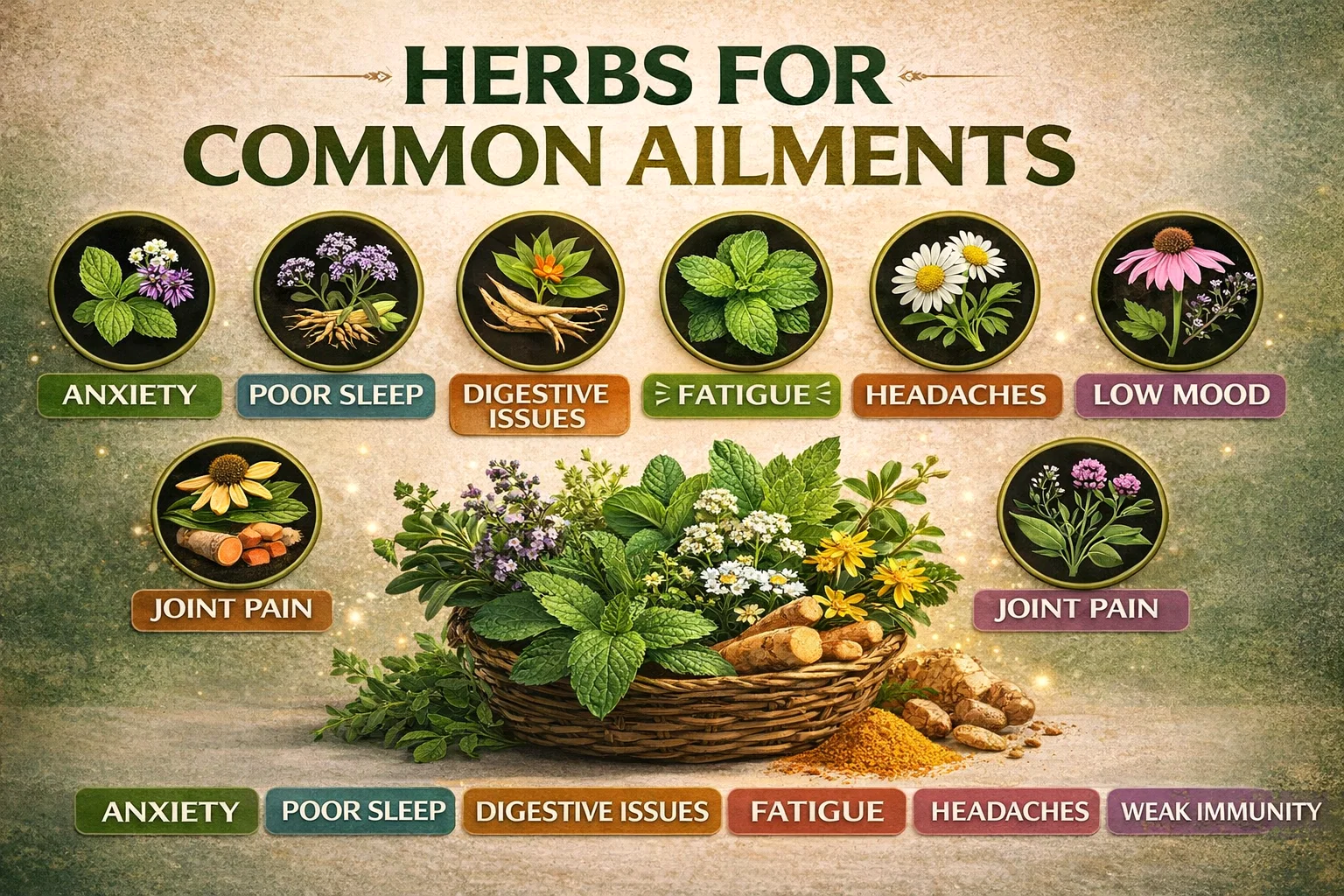
Herbs for Every Symptom Natural Remedies for Anxiety, Sleep Digestion
Have you ever felt like your body is trying to tell you something, but you just aren’t sure how to answer? Maybe it is that persistent afternoon fatigue that coffee can’t seem to fix, or a stomach that feels heavy and uncomfortable after every meal. In our modern, fast-paced world, it is incredibly common to reach for a quick over-the-counter fix the moment we feel a twinge of discomfort. However, there is a quieter, more ancient path to wellness that has been supporting human health for centuries: the world of herbal remedies.
Nature has provided us with a vast pharmacy of plants, roots, and flowers designed to work in harmony with our bodies. Unlike the “sledgehammer” approach of some modern interventions, herbs often work like a gentle nudge, guiding the body back into a state of balance. Whether you are looking to soothe a racing mind, boost your sluggish digestion, or sharpen your focus, there is likely a plant that can help.
Today, we are going to dive deep into a comprehensive guide on herbs for every symptom. We will explore how you can build your own natural medicine cabinet to address common ailments from anxiety to joint stiffness. Let’s explore how these botanical powerhouses can transform your daily well-being.
Calming the Chaos: Herbs for Anxiety and Nervous Tension
Stress is perhaps the most pervasive ailment of the twenty-first century. When your mind feels restless or you feel “wired but tired,” it is a sign that your nervous system is stuck in a sympathetic “fight or flight” mode. Nature offers incredible nervines—herbs that specifically support the nervous system—to help you find your calm.
Lemon Balm and Passionflower for Anxiety
If you find your mind racing with worry or you simply feel “on edge” without a clear reason, Lemon Balm and Passionflower are two of the most gentle yet effective allies you can find. Lemon balm, a member of the mint family, is famous for its uplifting citrus scent and its ability to reduce cortisol levels. It is particularly good for nervous tummies—that feeling when anxiety hits you right in the gut.
Passionflower acts slightly differently. It is often used to stop the “mental chatter” that prevents you from relaxing. Think of it as a botanical “off switch” for a brain that just won’t quiet down. Together, these herbs don’t just sedate you; they help you feel grounded and capable of handling whatever life throws your way.
Skullcap and Oat Straw for Nervous Tension
Sometimes stress isn’t just in the mind; it manifests physically. You might feel shaky, reactive, or exhausted yet unable to rest. This state, often described as being “wired but tired,” calls for deeply nourishing herbs like Skullcap and Oat Straw. Oat straw is rich in minerals like calcium and magnesium, which are essential for nerve function. It feeds the nervous system, helping to rebuild you after a period of burnout. Skullcap acts as a relaxant for physical tension, helping to loosen tight muscles that hold onto stress.
Restoring Deep Sleep and Fighting Fatigue
Sleep and energy are two sides of the same coin. Without quality rest, our energy reserves deplete, leading to a reliance on stimulants that ruin our sleep quality. It is a vicious cycle, but herbs can help break it.
Valerian Root and Hops for Poor Sleep
If you stare at the ceiling for hours or wake up frequently during the night, you need heavy hitters like Valerian Root and Hops. Valerian is one of the most well-researched sedative herbs. It increases the amount of gamma-aminobutyric acid (GABA) in the brain, a chemical that helps regulate nerve cells and reduces anxiety. It is nature’s way of saying, “It is time to shut down now.”
Hops, the same plant used to flavor beer, has a potent sedative effect. Interestingly, old folklore suggests sleeping on a pillow stuffed with dried hops to cure insomnia. Combined with valerian, it creates a powerful synergy for deep, restorative sleep.
Ashwagandha and Ginseng for Fatigue
On the flip side, if you are waking up tired and dragging yourself through the day, you might be dealing with adrenal fatigue. This is where adaptogens come in. Ashwagandha and Ginseng are premier adaptogens. They don’t give you a jittery energy spike like caffeine does. Instead, they help your body “adapt” to stress.
Ashwagandha is unique because it can be calming and energizing at the same time. It helps rebuild your resilience so you have a steady stream of energy throughout the day. Ginseng is more stimulating and is excellent for physical stamina and mental endurance.
Optimizing Digestion and Gut Health
They say health begins in the gut, and for good reason. Your digestive system is responsible for absorbing the nutrients that fuel every other process in your body. When things go wrong here—bloating, heaviness, or sluggishness—it affects everything from your mood to your skin.
Peppermint and Ginger for Bloating
We have all been there: that uncomfortable, distended feeling after a heavy meal. Peppermint and Ginger are the dynamic duo of digestive relief. Peppermint contains menthol, which has an antispasmodic effect on the smooth muscles of the digestive tract. It relaxes the gut, allowing trapped gas to pass and relieving cramping.
Ginger is a “warming” herb that stokes the digestive fire. It speeds up gastric emptying, meaning it helps food move from your stomach to your intestines more efficiently. This prevents that heavy “brick in the stomach” sensation and effectively combats nausea.
Dandelion and Artichoke for Digestive Sluggishness
If your digestion feels slow, or if you struggle with constipation and a general lack of appetite, you might need bitters. Herbs like Dandelion (specifically the root) and Artichoke stimulate the production of bile. Bile is crucial for breaking down fats and keeping the bowels moving regularly. Integrating bitter herbs into your diet can signal your body to ramp up its enzymatic production, ensuring you get the most out of your food.
Sharpening the Mind: Focus and Mood
Brain fog and low mood can be debilitating, making even simple tasks feel like climbing a mountain. While lifestyle factors like diet and sleep are huge, certain nootropic and mood-lifting herbs can provide the extra support your brain needs.
Ginkgo and Rosemary for Poor Focus
When your concentration feels cloudy or scattered, look to Ginkgo Biloba and Rosemary. Ginkgo is one of the oldest living tree species, and its leaves have been used for thousands of years to improve blood circulation, particularly to the brain. Better blood flow means more oxygen and nutrients reaching your neurons, which translates to better memory and sharper focus.
Rosemary isn’t just for roasted potatoes. The scent of rosemary alone has been shown in studies to improve cognitive performance. Traditionally, it is known as the “herb of remembrance.” It contains compounds that prevent the breakdown of acetylcholine, a chemical important for thinking and concentration.
St. John’s Wort and Rose for Low Mood
Feeling emotionally flat or down is a heavy burden. St. John’s Wort is perhaps the most famous herb for mood support. It is widely used in Europe as a standard treatment for mild depression. It works similarly to some antidepressants by influencing the levels of serotonin, dopamine, and norepinephrine in the brain.
Rose, on the other hand, works on a more subtle, energetic level. It is traditionally associated with the heart. Rose preparations are used to uplift the spirit, soothe grief, and open the heart to joy. It is a gentle, comforting herb that supports emotional balance.
Physical Support: Pain, Hormones, and Immunity
Finally, let’s look at how herbs can support the physical structure and defense systems of the body. From hormonal fluctuations to creaky joints, plants offer potent anti-inflammatory and regulating properties.
Feverfew and Butterbur for Headaches
If you suffer from tension headaches or migraines, Feverfew and Butterbur should be on your radar. Feverfew has been shown to reduce the frequency of migraines when taken regularly. It inhibits the release of inflammatory substances that contribute to the throbbing pain of a headache. Butterbur is also highly effective, though it is important to choose a preparation free of PA (pyrrolizidine alkaloids) for safety.
Turmeric and Boswellia for Joint Stiffness
Inflammation is the root cause of most joint pain. Turmeric, the golden spice of India, contains curcumin, a compound with powerful anti-inflammatory effects comparable to some over-the-counter drugs. Boswellia, also known as Indian Frankincense, works synergistically with turmeric. It blocks a different inflammatory pathway, making the combination of the two a powerhouse for relieving stiff, achy knees and backs.
Vitex and Dong Quai for Hormonal Imbalance
For those whose symptoms shift with their cycle or stress levels, Vitex (Chaste Tree Berry) and Dong Quai are legendary. Vitex works on the pituitary gland to help regulate progesterone levels, making it excellent for PMS and cycle regularity. Dong Quai is often called “female ginseng” and is used to tonify the blood and manage symptoms of menopause and menstrual cramping.
Echinacea and Elderberry for Weak Immunity
Lastly, if you catch every cold that goes around, you need to bolster your defenses. Echinacea and Elderberry are the guardians of the immune system. Echinacea increases the number of white blood cells, your body’s soldier cells. Elderberry is famous for its antiviral properties; it can stop viruses from replicating and entering your cells, potentially shortening the duration of the flu.
Building Your Herbal Toolkit
Transitioning to natural remedies doesn’t mean you have to throw out your entire medicine cabinet overnight. It is about building a relationship with these plants and understanding what your body needs in different seasons of life. Start small. Maybe swap your afternoon coffee for a cup of rosemary tea for focus, or try taking magnesium and valerian before bed instead of scrolling through your phone.
Remember that herbs work best when combined with a healthy lifestyle. No amount of ashwagandha can fix a lack of sleep, and no amount of turmeric can undo a highly inflammatory diet. But when you align your habits with the healing power of nature, the results can be truly transformative.
Disclaimer: While herbs are natural, they are powerful and can interact with medications. St. John’s Wort, for example, interacts with many prescription drugs. Always consult with a healthcare professional before starting a new herbal regimen, especially if you are pregnant, nursing, or taking medication.