High Potassium Food List Printable Eat Limit Avoid Chart Potassium Foods PDF
Have you ever felt sluggish, experienced random muscle cramps, or struggled with a foggy mind during your busy day? Sometimes the simplest natural remedies are the most effective. One of the most overlooked aspects of a holistic health journey is maintaining the proper mineral balance within your body. Potassium is an absolute superstar when it comes to keeping your system functioning at its peak. Whether you are actively trying to boost your mineral intake for better heart health or you simply want a clearer picture of what goes into your daily meals, having a reliable reference can change everything. A visual guide makes grocery shopping and meal planning incredibly easy. Today we are diving deep into the ultimate high potassium food list printable to help you navigate your nutritional needs with confidence and ease.
Why Potassium is a Vital Mineral for Your Body
Before we break down the specific foods on our printable chart, it is vital to understand why potassium deserves a prime spot on your plate. Potassium is an essential mineral and electrolyte that your body needs to function correctly. It helps regulate fluid balance, muscle contractions, and nerve signals throughout your entire system. A diet rich in this vital nutrient can help reduce blood pressure, prevent water retention, and protect against stroke. Furthermore, potassium works hand in hand with sodium to maintain healthy cellular function. When you prioritize potassium-rich foods, you are essentially giving your cells the exact fuel they need to thrive naturally.
For those who love to focus on healing the body from the inside out, potassium is a non-negotiable part of daily nutrition. It supports kidney health, promotes bone mineral density, and even aids in breaking down carbohydrates for usable energy. However, keeping track of which foods offer the most benefits can be overwhelming. That is exactly why utilizing a categorized food list is a game changer for your wellness routine.
Decoding the High Potassium Food Chart
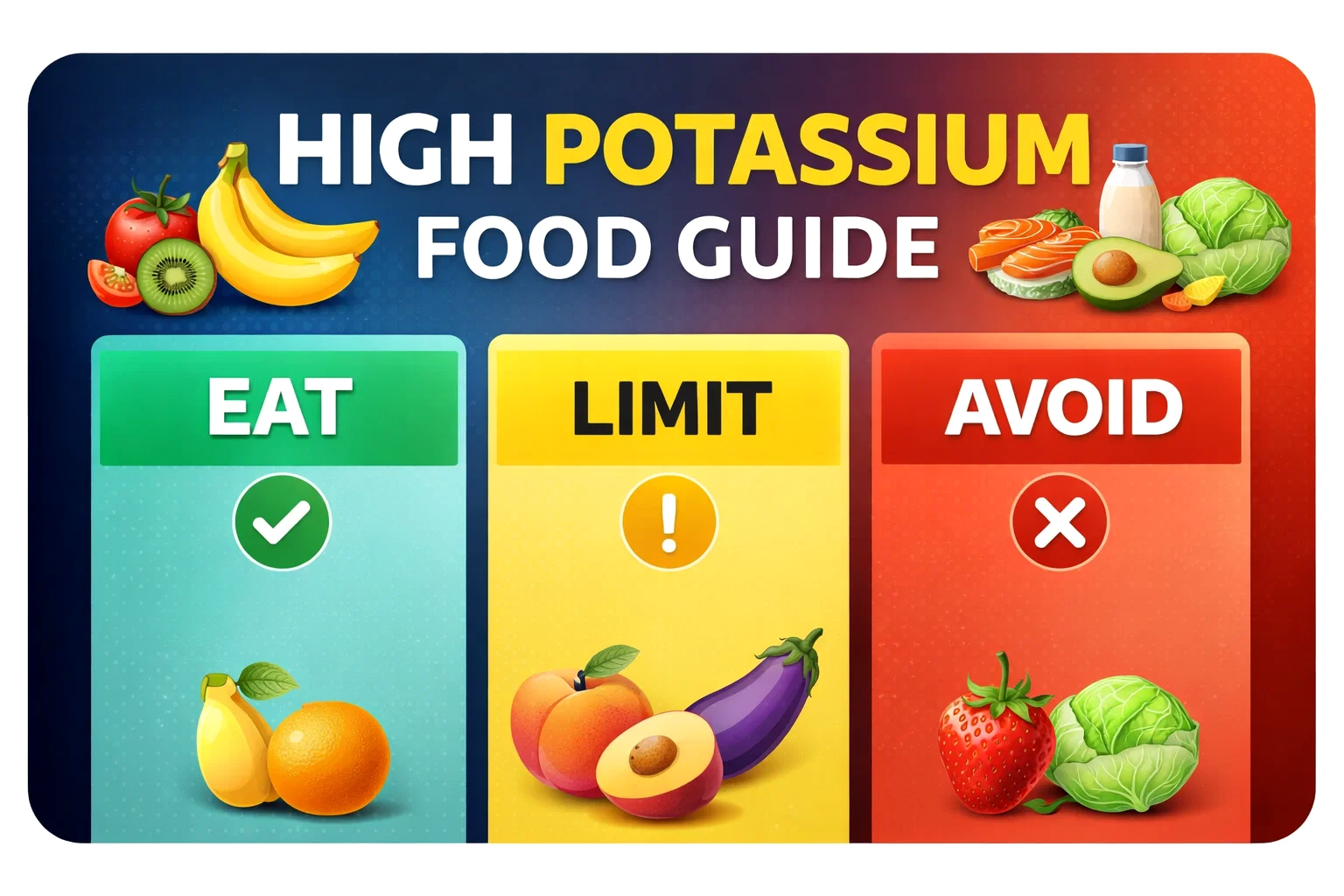
Our featured printable chart categorizes everyday foods into three simple columns: Eat, Limit, and Avoid. This color-coded system takes the guesswork out of meal prep. Let us explore each category in detail so you know exactly how to stock your pantry and refrigerator.
The EAT List: Your High Potassium Powerhouses
The first column on the chart highlights the foods you should be reaching for to maximize your potassium intake. These are nutrient-dense whole foods that provide exceptional value for your body.
- Fruits: Bananas are the most famous source, but they are just the beginning. The list includes oranges, cantaloupe, honeydew, kiwi, mango, papaya, guava, and pomegranate. Dried fruits like prunes, dates, raisins, and apricots are also incredibly concentrated sources of potassium. Snacking on a handful of dates can provide a massive energy and mineral boost.
- Vegetables: Your root vegetables and leafy greens are the stars here. Potatoes, sweet potatoes, yams, and beets are phenomenal options. Dark leafy greens such as spinach, kale, and Swiss chard should be staples in your daily salads or smoothies. Artichokes, pumpkin, and parsnips round out this hearty category.
- Legumes and Beans: If you prefer plant-based proteins, you are in luck. Beans, lentils, chickpeas, soybeans, and black beans are heavily featured on the “Eat” list. They not only provide potassium but also offer excellent dietary fiber for digestive health.
- Dairy and Liquids: Milk and yogurt are fantastic traditional sources. For a completely natural and refreshing alternative, coconut water is nature’s sports drink and is loaded with potassium. Molasses is also included as a mineral-rich natural sweetener.
The LIMIT List: Moderate Sources to Balance
The middle column of our printable chart focuses on foods you should consume in moderation. These foods are entirely healthy but offer lower amounts of potassium compared to the powerhouses in the first column. If your goal is to strictly maximize your potassium macros, you do not want these foods to crowd out the more nutrient-dense options on your plate.
- Fruits: Peaches, pears, nectarines, berries, grapes, pineapple, and watermelon are delicious and hydrating. However, their potassium content is moderate. Enjoy them as light snacks rather than your primary mineral source.
- Vegetables: Broccoli, asparagus, okra, zucchini, eggplant, mushrooms, corn, and green peas fall into this category. They are fantastic for your overall holistic health but should be paired with higher potassium foods like sweet potatoes or spinach to complete a balanced meal.
- Grains and Nuts: Oats, quinoa, and granola are great for fiber. Nuts like almonds, walnuts, peanuts, cashews, and pistachios are wonderful sources of healthy fats. You should enjoy a handful a day, keeping in mind they are secondary players in the potassium game.
- Proteins: Interestingly, many animal proteins fall into the “Limit” category for high potassium goals. Salmon, tuna, cod, shrimp, eggs, chicken, turkey, and beef are listed here. While they are essential for muscle repair, they are not the most efficient way to get your daily potassium compared to plant-based sources.
The AVOID List: Low Potassium Fillers and Processed Foods
The final column is crucial for anyone trying to clean up their diet and focus strictly on high-value nutrition. This list contains foods that are either very low in potassium or are highly processed items that offer zero nutritional benefits.
- Low Potassium Produce: Blueberries, cranberries, strawberries, lemons, and limes have wonderful antioxidant properties but are notably low in potassium. Similarly, cabbage, cauliflower, cucumber, radishes, lettuce, onions, and peppers are great for hydration and crunch but will not help you reach high potassium goals.
- Refined Carbohydrates: White rice, white pasta, noodles, and white bread are essentially empty calories. They have been stripped of their natural minerals during processing. Swapping these for the potatoes and beans found on the “Eat” list is a simple, profound change for your health.
- Fats and Condiments: Butter, olive oil, vegetable oil, cream cheese, sour cream, mayonnaise, ketchup, and soy sauce are on the avoid list. While some fats are necessary, these specific items do not contribute to your potassium intake and can add unnecessary sodium or refined sugars to your diet.
- Processed Junk and Beverages: Clear soda, hard candy, processed snacks, and french fries should always be avoided on a natural wellness journey. They deplete your body of energy. The chart also suggests avoiding traditional coffee and tea, which can act as mild diuretics. Consider swapping them for herbal infusions or a refreshing glass of coconut water.
How to Use Your Potassium Food List Printable
Having this knowledge is wonderful, but applying it is where the real magic happens. The best way to utilize this high potassium PDF chart is to print it out and keep it highly visible. Stick it on your refrigerator door or pin it to your family command center.
When writing your weekly grocery list, start by pulling 5 to 7 items from the “Eat” column. Ensure you have a mix of fruits for snacking, leafy greens for salads, and sturdy root vegetables for dinners. Next, pick a few items from the “Limit” column to round out your recipes. Finally, challenge yourself to scan your pantry and remove the heavily processed items found on the “Avoid” list.
Meal planning becomes incredibly simple when you build your plate around a visual guide. You no longer have to guess if your morning smoothie is actually serving your health goals. By tossing in a banana, a handful of spinach, and some coconut water, you can visually confirm you are hitting the “Eat” list perfectly.
Simple Ways to Incorporate More Potassium Every Day
Transitioning to a high potassium diet does not have to be complicated. Here are a few effortless ways to boost your intake based on our chart.
Supercharged Breakfasts: Start your day with a bowl of yogurt topped with dried apricots and dates. If you prefer a cooked breakfast, try a sweet potato hash with black beans and tomatoes. Both options are packed with premium minerals right from the “Eat” column.
Power Lunches: Build a massive salad using spinach and kale as your base. Toss in some chickpeas, sliced avocado, and a handful of pomegranate seeds. You will feel energized all afternoon without the typical midday crash.
Nourishing Dinners: Swap out your standard white rice or white pasta for a baked potato or yam. Pair it with a hearty serving of Swiss chard or a warming lentil stew. These whole foods are deeply satisfying and incredibly grounding for your body.
Smart Snacking: Keep sliced cantaloupe, kiwi, or mango in the fridge for easy access. If you crave something savory, roasted chickpeas or a small serving of edamame are perfect grab-and-go options.
Conclusion
Taking control of your nutrition is one of the most empowering steps you can take on your personal wellness journey. Understanding the roles of different foods allows you to nourish your body deeply and naturally. Potassium is a critical element for energy, heart health, and cellular function. By referencing this high potassium food list printable, you are equipping yourself with the knowledge needed to make the best dietary choices every single day.
Remember that holistic health is about progress and balance, not absolute perfection. Start by making small, sustainable swaps. Trade the white bread for a nutrient-dense sweet potato. Swap the afternoon soda for a glass of refreshing coconut water. These tiny shifts compound over time to create massive improvements in how you look and feel. Print out your chart, take it with you to the grocery store, and get ready to experience the vibrant energy that comes from feeding your body exactly what it craves.