High Protein Foods for Muscle Growth Weight Loss 30g Protein Portions
Achieving your fitness goals often feels like a complicated math equation, but it truly comes down to one powerhouse macro: protein. Whether you are looking to sculpt lean muscle or shed those last few stubborn pounds, understanding how to portion your protein is the ultimate game changer. Most people struggle not with the desire to eat healthy, but with the practical execution of knowing exactly what 30 grams of protein looks like on a plate. This guide breaks down the visual barriers of meal prepping, turning high protein eating into an effortless lifestyle rather than a daily chore.
The Science of the 30 Gram Protein Threshold
You might wonder why 30 grams is the magic number often cited by nutritionists and athletes alike. Research into muscle protein synthesis suggests that consuming roughly 25 to 30 grams of high quality protein in a single sitting is the optimal amount to trigger the body’s repair mechanisms. When you hit this threshold, you are providing your muscles with enough amino acids to recover from workouts while also signaling to your brain that you are full. This satiety effect is exactly why protein is the secret weapon for fat loss; it keeps the hunger hormones at bay so you can stay on track without feeling deprived.
How Protein Fuels Muscle Growth
Muscle is metabolically active tissue, meaning it burns calories even while you are sleeping. To build and maintain this tissue, your body requires a steady supply of nitrogen and amino acids found in protein. By hitting 30 grams per meal, you ensure that your body stays in an anabolic state, where it is building tissue up rather than breaking it down for energy. This is especially vital if you are training hard, as the micro tears in your muscle fibers need those specific building blocks to grow back stronger and more defined.
The Role of Protein in Fat Loss
When you are in a calorie deficit, your body is looking for energy sources. Without adequate protein intake, your system might begin to break down muscle tissue for fuel. By prioritizing 30 gram portions, you protect your hard earned muscle while forcing your body to tap into fat stores for energy. Furthermore, protein has a higher thermic effect of food compared to fats or carbohydrates. This means your body actually burns more calories just by digesting a steak or a bowl of Greek yogurt than it does digesting a piece of white bread.
Animal Based Protein Powerhouses
Animal proteins are considered complete proteins because they contain all nine essential amino acids that your body cannot produce on its own. The image guide highlights several heavy hitters that should be staples in your kitchen. Let us dive into the specifics of these portions so you can stop guessing and start growing.
Red Meat: Bison and Beef
Bison steak is a nutritional superstar, offering a leaner alternative to traditional beef. As shown in the portion guide, 9 ounces of bison provides a substantial 30 grams of protein with significantly less fat than a ribeye. However, the ribeye steak is not to be ignored. A 4 ounce serving of ribeye also hits that 30 gram mark. While it is higher in fat, those fats are essential for hormone production, including testosterone, which is a key driver for muscle development. Skirt steak is another fantastic option, requiring only 4 ounces to reach your goal, making it perfect for quick stir fries or fajitas.
Poultry: Chicken Breast vs Thighs
Chicken is the classic bodybuilder staple for a reason. It is versatile, affordable, and incredibly high in protein. A 3.5 ounce skinless chicken breast is one of the most efficient ways to get your 30 grams because it is almost pure protein. If you prefer a bit more flavor and juiciness, 4 ounces of chicken thighs will also get the job done. While thighs have a slightly higher fat content, they are often more satisfying and easier to cook without drying out, making them a favorite for long term meal prep success.
Seafood Options: Salmon and Shrimp
If you want to support heart health while building muscle, look no further than salmon. A 4.5 ounce portion of salmon with the skin on provides 30 grams of protein along with a healthy dose of Omega 3 fatty acids. These fats help reduce inflammation, allowing you to bounce back faster after a grueling leg day. For those who want a high volume of food for very few calories, shrimp is the answer. Just 4 ounces of shrimp provides 30 grams of protein, leaving plenty of room in your calorie budget for a large side of roasted vegetables or complex carbs.
Dairy and Vegetarian Friendly Staples
You do not always need a grill to hit your protein targets. Dairy products are some of the most convenient ways to sneak in extra grams, especially for breakfast or snacks. These options are often overlooked but are incredibly effective for maintaining a high protein diet on a busy schedule.
Greek Yogurt and Cottage Cheese
Greek yogurt is a nutritional powerhouse that doubles as a creamy treat. A 9 ounce serving provides 30 grams of protein and is packed with probiotics that support gut health. Similarly, 9 ounces of cottage cheese is a slow digesting protein source. Because it contains casein, cottage cheese is an ideal pre bedtime snack. It provides a slow release of amino acids throughout the night, preventing muscle breakdown while you sleep. Both of these can be paired with berries or nuts for a well rounded, macro friendly meal.
Whole Eggs and Ground Lamb
Eggs are often called the gold standard of protein quality because of their incredible amino acid profile. To reach 30 grams of protein from eggs alone, you would need about 6 whole eggs. While that might seem like a lot, eggs are highly bioavailable, meaning your body absorbs a large percentage of the protein they provide. For a savory dinner option, 4.5 ounces of ground lamb offers a rich flavor profile and 30 grams of protein. Lamb is also a great source of Vitamin B12 and zinc, which are crucial for energy levels and immune function.
Strategies for Exceeding 100 Grams of Protein Daily
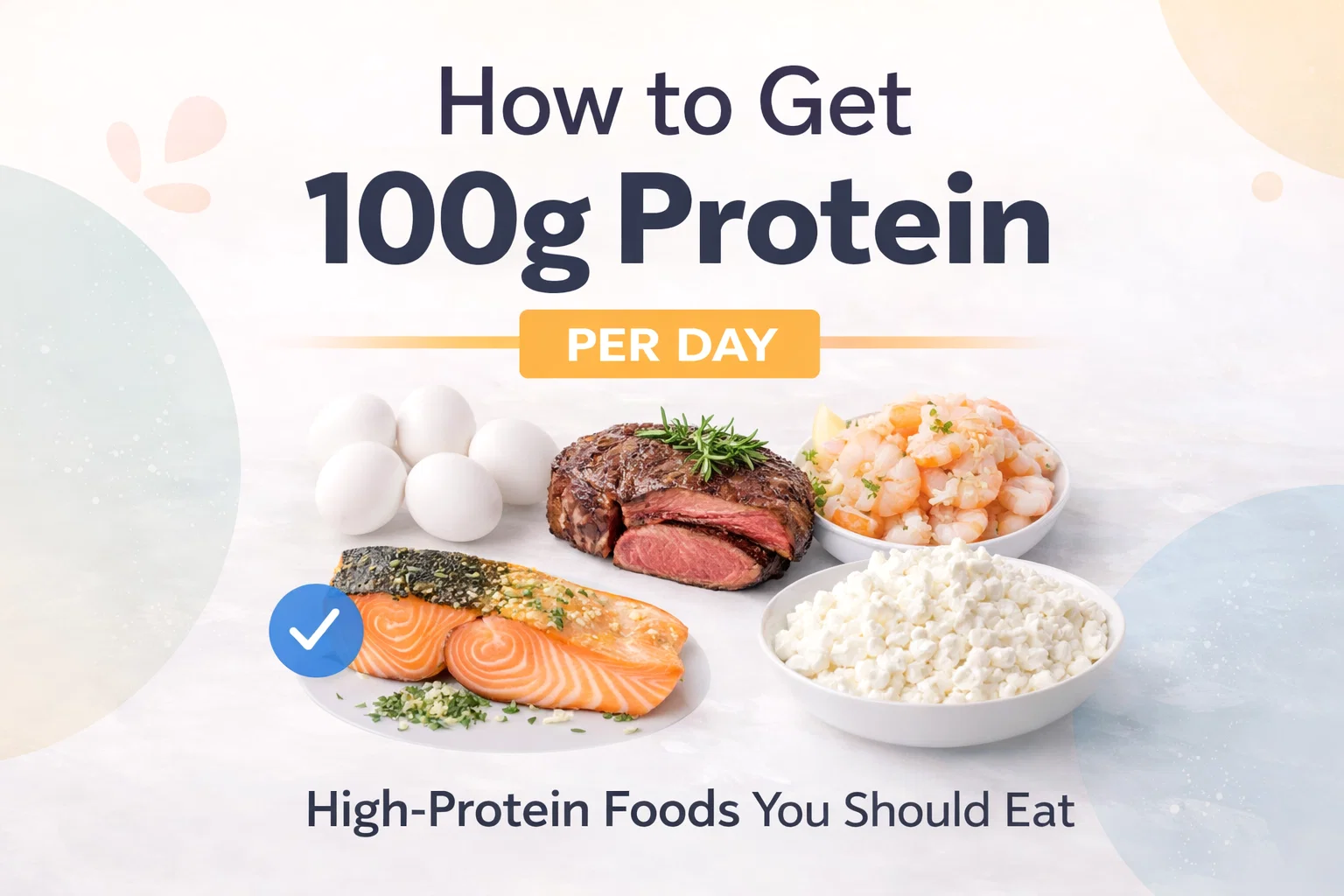
As the guide suggests, picking any four of these portions throughout your day will easily push you past the 100 gram mark. For many, 100 to 120 grams is the sweet spot for maintaining a lean physique. To make this happen without feeling like you are eating constantly, try these simple strategies.
The Rule of Threes
Aim for three main meals that each contain one of the 30 gram portions from the list. If you have chicken breast for lunch, salmon for dinner, and a large bowl of Greek yogurt for breakfast, you are already at 90 grams. Adding one high protein snack, like a scoop of whey protein or two hard boiled eggs, will effortlessly carry you over the 100 gram finish line. This structured approach removes the stress of tracking every single bite.
Front Load Your Day
Many people make the mistake of eating a low protein breakfast like toast or cereal, only to find themselves playing catch up at dinner. By starting your morning with 30 grams of protein, you stabilize your blood sugar and prevent the mid afternoon energy crash. Whether it is a scramble of eggs or a high protein smoothie, getting that first 30 grams in early sets a positive tone for the rest of your nutritional choices.
Common Pitfalls to Avoid in High Protein Diets
While protein is essential, it is possible to make mistakes that hinder your progress. One common error is neglecting fiber. High protein foods can be taxing on the digestive system if they are not balanced with plenty of greens and fiber rich vegetables. Always aim to fill half your plate with fibrous veggies like broccoli, spinach, or asparagus to keep things moving smoothly.
Watch the Hidden Calories
While the protein counts in the image are accurate, how you cook these foods matters immensely. Deep frying your chicken or smothering your steak in heavy butter sauces can quickly double the calorie count. To keep your fat loss goals on track, stick to grilling, baking, or air frying. Use spices, lemon juice, and hot sauces to add flavor without adding unwanted inches to your waistline.
The Importance of Hydration
A high protein intake requires your kidneys to work a bit harder to process the nitrogen byproducts. Increasing your water intake is non negotiable when you are aiming for 100 or more grams of protein a day. Staying hydrated not only helps with protein metabolism but also ensures that your muscles stay hydrated and look full rather than flat.
Creating Your Personalized Protein Plan
Everyone’s body is different, and your specific protein needs might vary based on your activity level and body weight. However, using this 30 gram portion guide as a baseline is a fantastic way to simplify the process. Start by choosing two or three items from the list that you actually enjoy eating. Consistency is the most important factor in any diet, so there is no point in forcing yourself to eat bison if you prefer salmon.
Meal Prep for Success
Spend one or two days a week prepping these portions in advance. Having 4 ounce containers of cooked chicken breast or pre measured portions of cottage cheese in the fridge eliminates the temptation to grab fast food when you are tired. When the healthy choice is also the easiest choice, you are much more likely to stick to your plan long term.
Conclusion
Mastering the art of protein portioning is one of the most effective skills you can develop for your health and fitness journey. By focusing on 30 gram increments, you take the guesswork out of muscle building and fat loss. Use the visual guide to familiarize yourself with what your body needs, and remember that variety is the key to staying motivated. Whether you are enjoying a juicy ribeye or a refreshing bowl of Greek yogurt, every 30 gram serving is a step closer to the strongest, leanest version of yourself. Start today by picking your four favorite items from the list and see how much better you feel when your body is properly fueled.
Would you like me to create a meal plan based on these portions or perhaps generate some high-protein recipes to go along with this blog post?