High Protein Legumes Beans Guide Nutrition Facts for Meal Prep Health
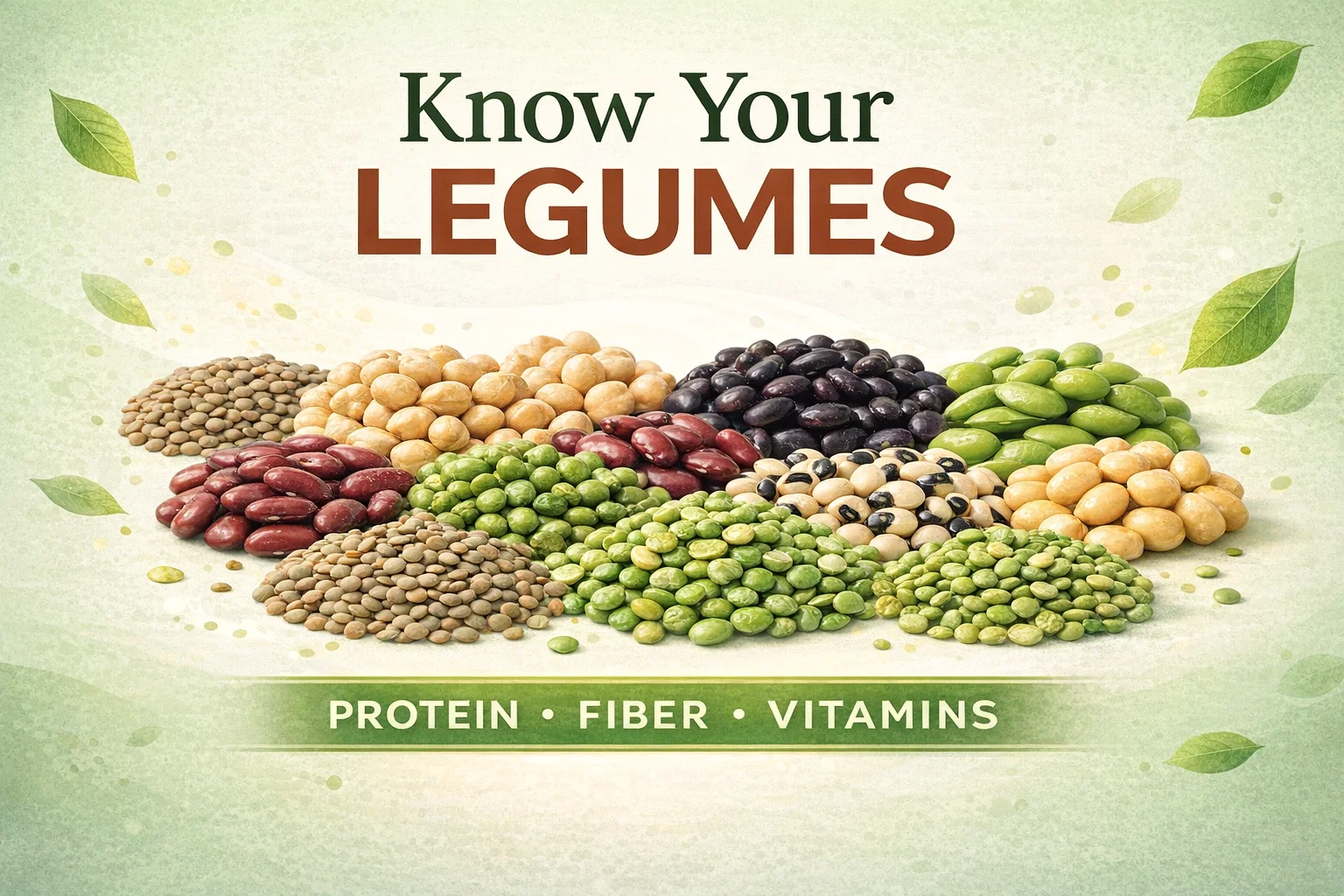
Stepping into the world of plant-based nutrition can often feel like deciphering a complex map, but the treasure at the end is well worth the journey. Legumes are the unsung heroes of the pantry, offering a powerhouse of nutrients packed into tiny, versatile packages. Whether you are a dedicated vegan, a curious flexitarian, or simply someone trying to shave a few dollars off your weekly grocery bill, understanding the nutritional profile of different beans and lentils is your first step toward a healthier lifestyle. The image we are looking at today provides a stunning breakdown of twelve essential legumes, and in this guide, we are going to dive deep into how these superfoods can transform your energy levels, digestion, and overall well-being.
The Mighty Lentil: A Protein Powerhouse
Lentils are often the first stop for anyone looking to increase their plant protein intake, and for good reason. With a staggering 25 grams of protein per 100 gram serving (dry weight), they rival many meat sources in terms of pure macronutrient density. But the benefits of lentils go far beyond just muscle building. They are incredibly rich in folate, iron, and manganese, making them a top choice for heart health and energy production.
Varieties and Culinary Uses
One of the best things about lentils is their variety. Red lentils tend to break down easily, making them the perfect thickener for dals and hearty soups. Green and brown lentils hold their shape much better, which makes them ideal candidates for cold Mediterranean salads or as a meat substitute in a plant-based Shepherd’s Pie. Because they have a relatively low fat content of just 1 gram, they are a lean way to stay full for hours.
Chickpeas and Black Beans: The Versatile Duo
If there were a popularity contest for legumes, chickpeas and black beans would likely be tied for the crown. Chickpeas, also known as garbanzo beans, offer 19 grams of protein and 61 grams of carbohydrates. Their nutty flavor and creamy texture are the backbone of hummus, but they are also fantastic when roasted with olive oil and spices for a crunchy, high-fiber snack.
Black beans, on the other hand, provide 21 grams of protein and are famous for their high antioxidant content. The dark skin of the black bean is loaded with anthocyanins, the same compounds found in blueberries that help fight inflammation. They are a staple in Latin American cuisine, providing the perfect base for black bean burgers, tacos, and spicy stews. With only 1.5 grams of fat, they are a heart-healthy way to add volume to any meal.
The Green Giants: Edamame and Peas
Green legumes like edamame and peas bring a fresh, vibrant energy to the plate. Edamame, which are young soybeans, are unique because they are one of the few plant sources that provide a complete protein, meaning they contain all nine essential amino acids that the human body cannot produce on its own. While the image shows a lower calorie count of 180, this is usually because edamame is often measured in its fresh or frozen state rather than dried.
Why Peas Matter
Standard green peas and split peas are often overlooked as basic side dishes, but their nutritional stats are impressive. Split peas boast 24 grams of protein, making them a heavy hitter for recovery and growth. They are also incredibly high in soluble fiber, which helps regulate blood sugar levels and lowers cholesterol. A simple split pea soup is not just comfort food; it is a biological tune-up for your cardiovascular system.
Soybeans and Lupin Beans: The Heavyweights
When it comes to sheer protein density, soybeans and lupin beans take the lead. Soybeans offer a massive 36 grams of protein per serving. This is why soy is the base for tofu, tempeh, and soy milk. However, it is also higher in fat (19 grams) compared to other legumes, which is why it feels more satiating and carries flavor so well.
Lupin beans are the rising stars of the health food world. Matching the soybean with 36 grams of protein but containing significantly fewer carbs (40 grams compared to the 60 grams found in lentils), lupins are becoming a favorite for those following lower-carb or ketogenic diets. They have a firm texture and a mild salty flavor, often served as a pickled snack in Mediterranean cultures.
Kidney Beans and Pinto Beans: The Heart of the Stew
Kidney beans are synonymous with chili, and their 24 grams of protein make them a robust meat alternative. They are particularly high in fiber, which is essential for maintaining a healthy gut microbiome. Pinto beans, with 21 grams of protein, are the creamy cousins often found in refried beans. Both of these varieties are excellent at absorbing the flavors of the spices they are cooked with, whether it is smoky cumin or fiery cayenne pepper.
Mung Beans and Black-Eyed Peas: Hidden Gems
Mung beans are widely used in Asian cuisine, both in their whole form and as sprouts. With 24 grams of protein and a quick cooking time, they are perfect for busy weeknights. Black-eyed peas, famously eaten for good luck on New Year’s Day, offer 23 grams of protein and a distinct earthy flavor. They are particularly good for skin and eye health due to their high Vitamin A content.
Optimizing Digestion and Absorption
A common concern when increasing legume intake is digestive discomfort. This usually happens because of oligosaccharides, which are complex sugars that our bodies can struggle to break down. However, there are several ways to enjoy the benefits of beans without the bloating:
- The Soak Method: Soaking dried beans for at least 8 to 12 hours and discarding the water helps remove the sugars that cause gas.
- Sprouting: Allowing mung beans or lentils to sprout increases their nutrient bioavailability and makes them much easier to digest.
- Gradual Increase: If you are not used to high fiber, start with small servings of lentils or chickpeas and gradually increase your portion sizes over a few weeks.
- The Power of Seaweed: Adding a piece of Kombu (dried seaweed) to the cooking pot can help break down the tough fibers in beans.
The Environmental Impact of Choosing Legumes
Beyond personal health, choosing legumes over animal proteins is one of the most impactful decisions you can make for the planet. Legumes are nitrogen-fixing plants, meaning they actually improve the quality of the soil they grow in, reducing the need for chemical fertilizers. They also require significantly less water to produce per gram of protein compared to beef or pork. By making these beans a staple in your kitchen, you are contributing to a more sustainable food system.
How to Meal Prep with Legumes
The beauty of the legumes shown in the image is their shelf life and cost-effectiveness. Buying in bulk can save a significant amount of money. To make the most of your week, try cooking a large batch of a neutral bean like chickpeas or black beans on Sunday. You can then use them in three different ways:
- Day 1: Toss them into a fresh salad with cucumber, feta, and lemon dressing.
- Day 2: Sauté them with spinach and garlic for a quick side dish.
- Day 3: Mash them into a wrap with avocado and sprouts for a high-protein lunch.
Conclusion: Your Journey to a Healthier Plate
Understanding the nutritional breakdown of legumes is like unlocking a superpower for your kitchen. From the protein-dense soybean to the fiber-rich kidney bean, each variety offers a unique set of benefits designed to keep you feeling full, energized, and healthy. These twelve legumes are more than just side dishes; they are the foundation of a vibrant, plant-powered life. So next time you are at the grocery store, skip the processed snacks and head straight for the bulk bins. Your body, your wallet, and the planet will thank you for it. Start small, experiment with new recipes, and enjoy the delicious process of knowing your legumes.
Would you like me to create a specific 7-day high-protein meal plan using these legumes or perhaps generate a grocery list based on this guide?