Holistic Wellness Guide Stay Slim Light With Easy Movement Smart Eating Habits
Embracing a lifestyle that feels light, vibrant, and sustainable is a goal that transcends age. Many of us fall into the trap of thinking that health requires extreme restriction or grueling gym sessions, but the truth is far more gentle. By focusing on small, intentional shifts in how we move, eat, and rest, we can create a body that feels like a sanctuary rather than a burden. This holistic approach is not about rapid transformations that fade in a week; it is about building a foundation of wellness that stays with you through every decade of your life. When we treat our bodies with the grace of a deer rather than the force of a bull, we find a natural rhythm that supports longevity and mental clarity.
The Power of Easy Movement and Daily Activity
Movement does not always have to be synonymous with high intensity. In fact, for long term health and weight management, consistency often outweighs intensity. Incorporating light, easy movement into your daily schedule keeps your metabolism active without triggering the stress hormones that can sometimes lead to inflammation or burnout.
Walking and Stretching as Foundation Habits
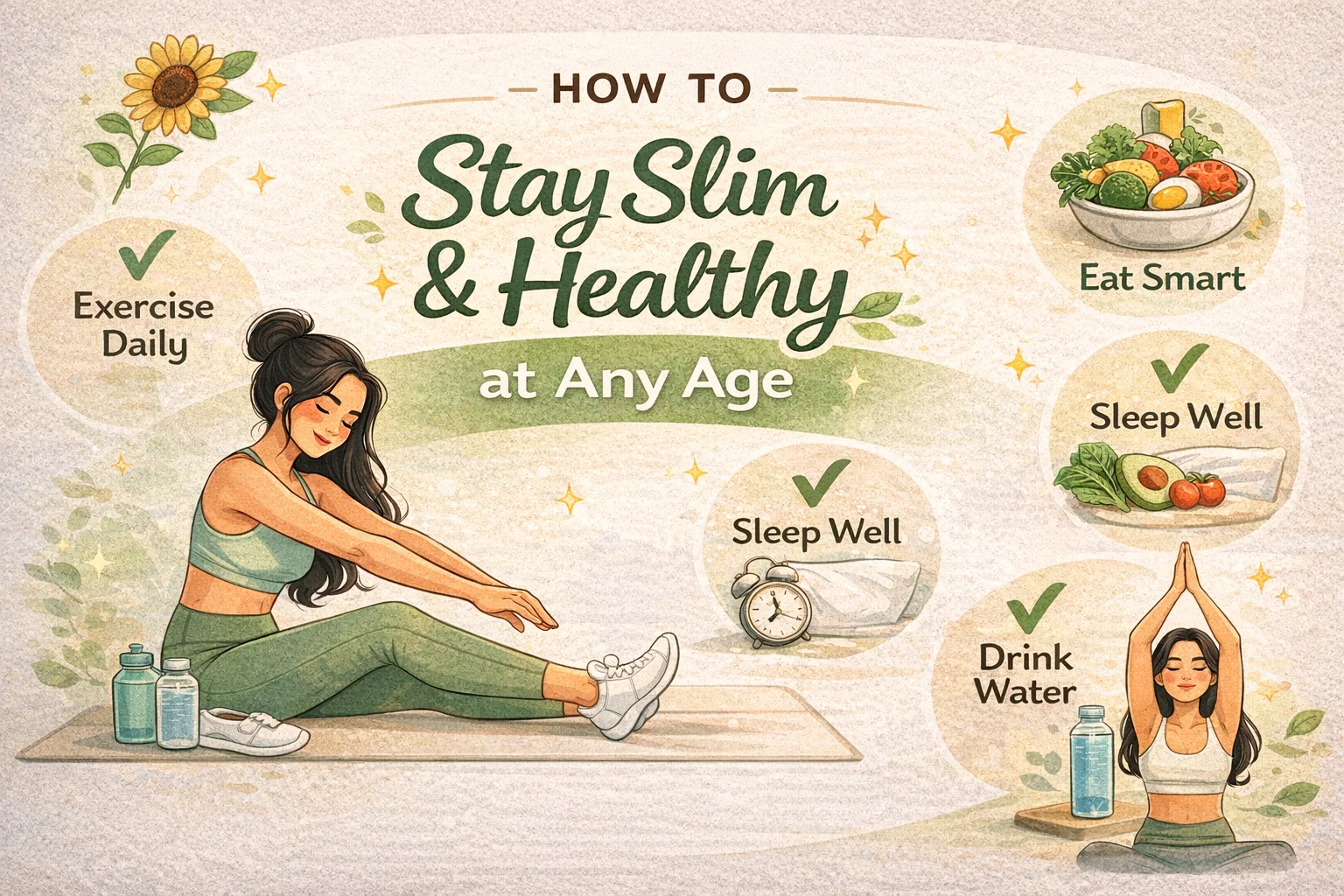
A daily walk is perhaps the most underrated tool in any wellness toolkit. It is accessible, low impact, and provides a unique opportunity to clear your mind while keeping your joints mobile. When combined with daily stretching, you are not just burning calories; you are improving your posture and flexibility. Stretching helps to lengthen the muscles and improve circulation, which is essential for feeling light and agile as the years pass. Aiming for even twenty minutes of movement each day creates a compound effect that significantly impacts your overall energy levels.
The Role of Light Resistance Training
As we age, maintaining muscle mass becomes crucial for metabolic health. You do not need heavy weightlifting to see benefits. Light resistance training, such as using small dumbbells, resistance bands, or even your own body weight, helps to tone the body and support bone density. These workouts encourage the body to use energy more efficiently and provide that lean, sculpted look that many desire. By focusing on resistance just two or three times a week, you provide your metabolism with the spark it needs to stay active even when you are at rest.
Smart Eating: Fueling Without Deprivation
The concept of smart eating is rooted in abundance rather than lack. Many traditional diets fail because they are built on the idea of skipping meals or cutting out entire food groups, which often leads to a cycle of binging and guilt. Instead, a sustainable approach focuses on what you can add to your plate to make it more nourishing and satisfying.
Why You Should Skip Deprivation
Deprivation is the enemy of consistency. When you tell yourself you cannot have something, it becomes the only thing you want. Smart eating encourages a balanced mindset where no food is strictly off limits, but high quality nutrients are prioritized. By allowing yourself to enjoy various flavors and textures, you reduce the psychological stress associated with dieting. This leads to a healthier relationship with food and a much higher chance of sticking to your goals for the long haul.
The Importance of Protein with Every Meal
Protein is the building block of repair and satiety. Including a source of protein in every meal helps to stabilize blood sugar levels and prevents the energy crashes that lead to mindless snacking. Whether it is eggs for breakfast, lean chicken for lunch, or plant based proteins like lentils and chickpeas, ensuring your protein intake is consistent is key to maintaining muscle and feeling full. Protein also has a higher thermic effect than other macronutrients, meaning your body burns more energy just by processing it.
Prioritizing Veggies and Fiber
Vegetables and fiber are the secret weapons of a light and healthy body. Fiber aids in digestion and helps to sweep toxins out of the system, which is vital for gut health and a flat stomach. Filling half your plate with colorful vegetables ensures that you are getting a wide array of vitamins and minerals while keeping the caloric density of your meals low. This allows you to eat large, satisfying portions that leave you feeling energized rather than weighed down.
Restful Sleep as a Metabolic Necessity
We often think of health in terms of what we do while we are awake, but what happens while we sleep is just as important. Sleep is the time when your body undergoes essential repairs, balances hormones, and processes the day. Without adequate rest, your body struggles to manage weight and regulate hunger signals.
The 7 to 8 Hour Gold Standard
Aiming for seven to eight hours of quality sleep each night is a non negotiable habit for those looking to stay slim and light. During deep sleep, the body regulates ghrelin and leptin, the two hormones responsible for hunger and fullness. When you are sleep deprived, ghrelin levels rise, making you crave sugary and high calorie foods the next day. By prioritizing rest, you are essentially setting your appetite up for success before the day even begins.
Creating a Restful Environment
To achieve high quality sleep, your environment must be conducive to relaxation. This means keeping the bedroom cool, dark, and free from digital distractions. Establishing a wind down routine that includes light stretching or reading can signal to your nervous system that it is time to transition into a state of repair. When you wake up after a full night of rest, your cortisol levels are balanced, which prevents the body from holding onto unnecessary fat.
Hydration and the Connection Between Stress and Fat
Water is the medium in which all metabolic processes happen. If you are dehydrated, your body cannot efficiently burn fat or transport nutrients. Beyond just drinking water, understanding how your internal state affects your physical form is a major part of the wellness puzzle.
The Habit of Always Carrying a Bottle
It is easy to forget to drink water when you are busy, which is why carrying a reusable bottle is such an effective strategy. Aiming for at least two liters of water per day ensures that your skin stays glowing, your digestion stays regular, and your energy levels remain stable. Often, we mistake thirst for hunger; by staying properly hydrated, you can avoid unnecessary snacking and keep your system running smoothly.
Understanding the Stress and Stored Fat Link
Chronic stress is one of the biggest hidden obstacles to staying light. When the body is under constant stress, it produces high levels of cortisol. High cortisol signals to the body that it needs to store energy for a potential “emergency,” usually in the form of abdominal fat. This is why a holistic approach must include stress management. Whether it is through deep breathing, spending time in nature, or simply staying hydrated, keeping your stress levels low is a physiological requirement for a lean body.
Optimizing Results with Meal Timing
While what you eat is paramount, when you eat can also play a significant role in how you feel. Creating a rhythm for your meals allows your digestive system the time it needs to rest and recover, leading to better nutrient absorption and metabolic flexibility.
The Benefits of a Light Dinner
Eating a lighter meal in the evening prevents your body from having to work hard at digestion while you are trying to sleep. When you have a heavy dinner, your body diverts energy away from cellular repair and toward breaking down food. By choosing a dinner rich in vegetables and light protein, you wake up feeling refreshed and “flat” in the morning, rather than bloated or sluggish.
Implementing the 12 to 14 Hour Gap
Giving your body a twelve to fourteen hour break between your last meal of the day and your first meal the next morning is a gentle way to practice intermittent fasting. This gap allows your insulin levels to drop and encourages the body to tap into stored fat for energy. It also promotes autophagy, which is the body’s way of cleaning out damaged cells. This simple timing shift can have a profound impact on your inflammation levels and overall lightness.
Conclusion: Living with Grace and Balance
Staying slim and light at any age is not about fighting against your body; it is about working with it. By integrating easy movement, smart food choices, and intentional rest, you create a lifestyle that feels effortless and rewarding. Remember that health is a journey of many small steps. You do not have to be perfect every day, but by choosing the path of the deer, focusing on agility, grace, and natural rhythms, you can enjoy a body that feels energetic and youthful for years to come. Start by carrying that water bottle, taking that evening walk, and giving yourself the gift of a full night’s sleep. Your body will thank you with every light and easy step you take.