Holy Basil Tulsi Benefits for Stress Wellness Ayurvedic Herb Guide and Uses
Holy Basil, or Tulsi, is not just another herb in the garden; it is often referred to as the Queen of Herbs for a very good reason. For thousands of years, this vibrant green plant has been at the heart of Ayurvedic medicine, serving as a pillar for both physical health and spiritual clarity. In a world that feels increasingly fast-paced and overwhelming, Tulsi offers a gentle yet powerful way to return to center. Whether you are looking to support your body’s response to stress or simply want to enhance your daily wellness routine, understanding the deep-rooted benefits of this sacred plant is a journey worth taking.
The Sacred Roots: What is Holy Basil?
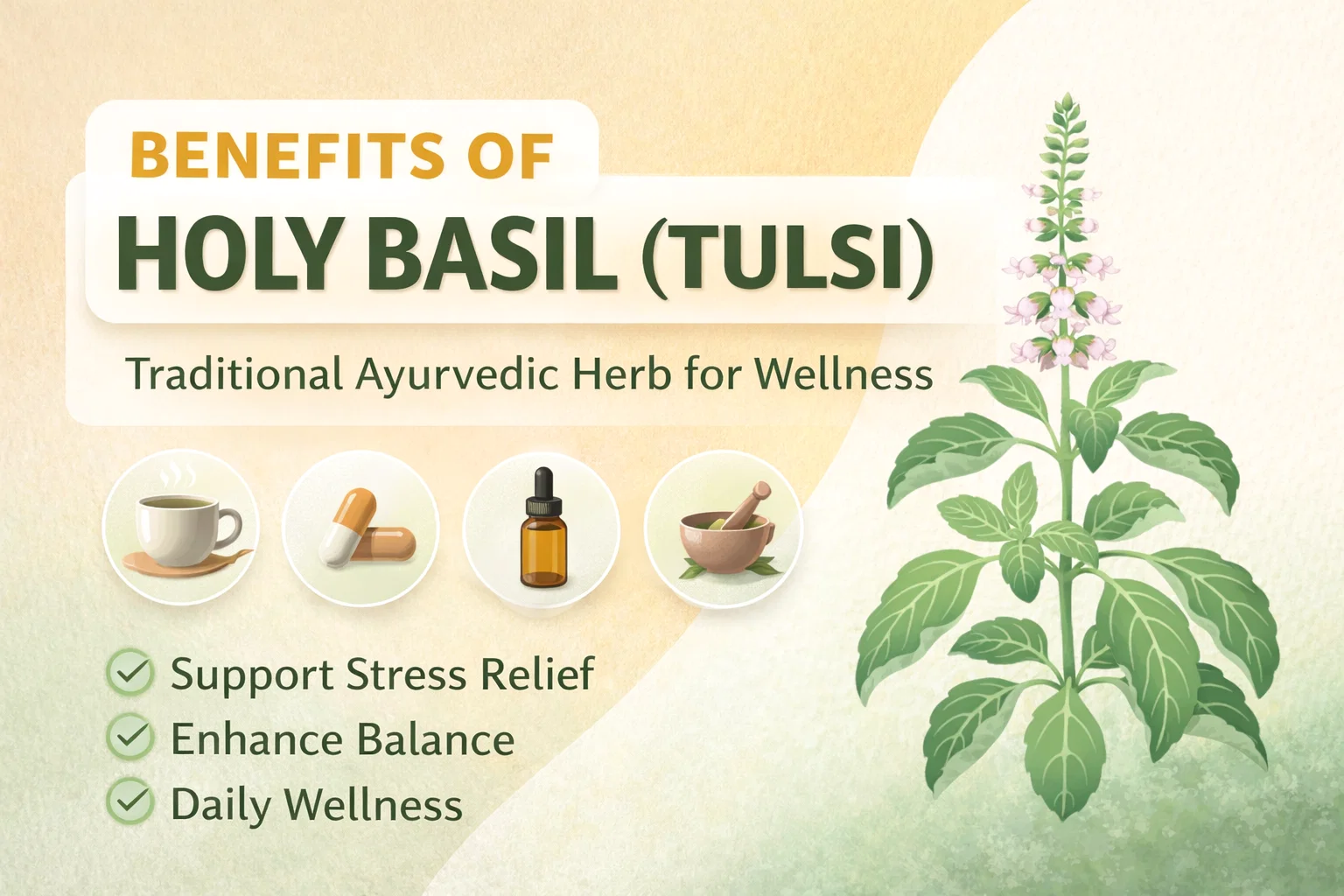
Known scientifically as Ocimum tenuiflorum, Holy Basil is native to India and Southeast Asia. It is distinct from the sweet basil you might use in a pesto sauce. While they belong to the same family, Holy Basil has a much more complex chemical profile and a unique, spicy, peppery scent that hints at its potent medicinal properties. In Indian culture, the plant is frequently grown in courtyards and temples, believed to bring protection and healing to the household.
The name Tulsi translates to “the incomparable one,” which perfectly describes its status in traditional folk medicine. It is classified as an adaptogen, a special category of herbs that help the body adapt to various stressors and promote internal balance, also known as homeostasis. Unlike many stimulants or sedatives, Tulsi works with your body’s natural rhythms to provide what you need at the moment, whether that is a boost in energy or a sense of calm.
Key Components: Leaves and Aerial Parts
When preparing Holy Basil for its health benefits, herbalists typically focus on the leaves and the aerial parts of the plant, which include the stems and the delicate purple or pink flowers. These parts of the plant contain a high concentration of essential oils and phytonutrients that contribute to its healing legacy.
The Role of Essential Oils
The leaves are rich in eugenol, camphor, and cineole. These compounds are responsible for the herb’s anti-inflammatory and antimicrobial properties. When you crush a fresh Tulsi leaf, the aromatic oils released are the very same elements that help soothe the digestive system and support respiratory health. These oils are also why Tulsi is so frequently used in aromatherapy to clear the mind and sharpen focus.
Antioxidant Powerhouse
Tulsi is packed with antioxidants that help the body neutralize free radicals. This is crucial for long-term health, as oxidative stress is a major contributor to aging and chronic illness. By incorporating the aerial parts of the plant into your diet or supplement routine, you are providing your cells with a natural shield against environmental toxins and internal metabolic waste.
Health Benefits: Why Your Body Needs Tulsi
The benefits of Holy Basil are broad and varied, touching nearly every system in the body. It is valued for its grounding yet uplifting qualities, making it a rare herb that can help you feel relaxed and alert at the same time.
- Support for the Stress Response: As an adaptogen, Tulsi helps regulate cortisol levels, the body’s primary stress hormone. High cortisol can lead to weight gain, sleep issues, and a weakened immune system.
- Mental Clarity and Focus: Traditional use often highlights Tulsi’s ability to “clear the cobwebs” from the brain. It is used to improve memory and cognitive function during periods of mental fatigue.
- Immune System Support: With natural antibacterial and antiviral properties, Holy Basil acts as a first line of defense for the immune system, especially during seasonal transitions.
- Respiratory Health: It is a common remedy for coughs and colds, helping to clear congestion and soothe the throat.
- Digestive Balance: Drinking Tulsi tea after a meal can aid in digestion and reduce bloating or discomfort.
Common Forms and Preparations
One of the best things about Holy Basil is how versatile it is. Depending on your lifestyle and your specific health goals, you can choose from several different preparations to get your daily dose of wellness.
Soothing Tea and Infusions
The most traditional way to consume Tulsi is as a tea. Steeping the dried or fresh leaves in hot water creates a fragrant, earthy brew. An infusion is essentially a stronger version of tea, where the leaves are steeped for a longer period to extract more of the minerals and potent compounds. This is an excellent ritual for the evening to help wind down before bed.
Tinctures and Liquid Extracts
For those who need a more concentrated form, tinctures are an ideal choice. These are alcohol-based extracts that pull out the active ingredients of the plant. A few drops in a glass of water can provide a quick boost to your stress resilience during a busy workday. Tinctures are highly portable and have a long shelf life, making them a favorite for regular travelers.
Powders and Capsules
If you prefer a standardized dose, capsules are a convenient option. They often contain dried leaf powder or a concentrated extract. You can also find Tulsi powder, which can be added to smoothies, oatmeal, or even mixed into a paste for topical skin applications. The powder is a great way to ensure you are consuming the entire leaf, including the fiber and all the plant’s natural phytonutrients.
How to Grow Your Own Holy Basil
For the aspiring gardener, growing Tulsi at home is a rewarding experience. It is a hardy plant that thrives in warm climates and loves plenty of sunlight. By growing your own, you have access to the freshest leaves possible for your teas and home remedies.
Soil and Sunlight Requirements
Holy Basil prefers well-drained soil and at least six hours of direct sunlight a day. If you live in a cooler climate, you can easily grow Tulsi in a pot on a sunny windowsill. It is sensitive to frost, so be sure to bring it indoors once the temperatures start to drop in the autumn. Regular pruning of the flower spikes will encourage the plant to grow more leaves, ensuring a steady harvest throughout the season.
Harvesting for Maximum Potency
The best time to harvest the leaves is in the morning after the dew has dried but before the sun is at its hottest. This is when the essential oils are at their peak concentration. You can use the leaves fresh or dry them in a cool, dark place for later use. Storing them in an airtight glass jar will keep the flavor and benefits intact for months.
Integrating Tulsi into Your Daily Routine
Adding Holy Basil to your life doesn’t have to be complicated. It can be as simple as swapping your second cup of coffee for a Tulsi tea. Because it is a daily wellness herb, the effects tend to be cumulative. This means that you will likely notice the most benefit when you use it consistently over time.
Many people find that a morning cup of Tulsi tea helps them start the day with a calm, focused mindset. Others prefer to use it in the afternoon to avoid the “midday slump” without relying on caffeine. Because it is grounding, it is also a fantastic companion for meditation or yoga practices, helping to deepen your breath and settle your nervous system.
A Note on Safety and Precautions
While Holy Basil is generally considered safe for most people, there are a few things to keep in mind. Because it can have a mild blood-thinning effect, those on anticoagulant medications should speak with a doctor before adding it to their routine. Additionally, because it may lower blood sugar, individuals with diabetes should monitor their levels closely. As with any herb, if you are pregnant or breastfeeding, it is always best to consult with a healthcare professional first.
The Future of Herbal Medicine
As modern science begins to catch up with ancient wisdom, more research is being conducted on the specific pathways through which Tulsi interacts with our biology. Clinical trials are exploring its potential in managing metabolic stress, supporting healthy cholesterol levels, and even its role in neuroprotection. This bridge between the old and the new confirms what traditional practitioners have known for centuries: Tulsi is a profound ally for human health.
Conclusion: Embracing the Queen of Herbs
Holy Basil is more than just a supplement; it is a symbol of resilience and natural harmony. By supporting our bodies’ ability to handle the pressures of modern life, it allows us to show up more fully for ourselves and our loved ones. Whether you choose to grow it in your garden, brew it in your kitchen, or take it as a daily extract, Tulsi offers a path toward a more balanced and vibrant life. It reminds us that often, the most powerful solutions for our well-being are found right in the heart of nature. As you move forward on your wellness journey, consider making a place for this sacred plant in your home and your heart. It is a simple, time-tested way to nurture your health from the inside out.
Would you like me to generate some Pinterest-ready image descriptions or a social media caption to help promote this post?