Homemade Hibiscus Electrolyte Tea Recipe Natural Hydration Vitamin C Drink
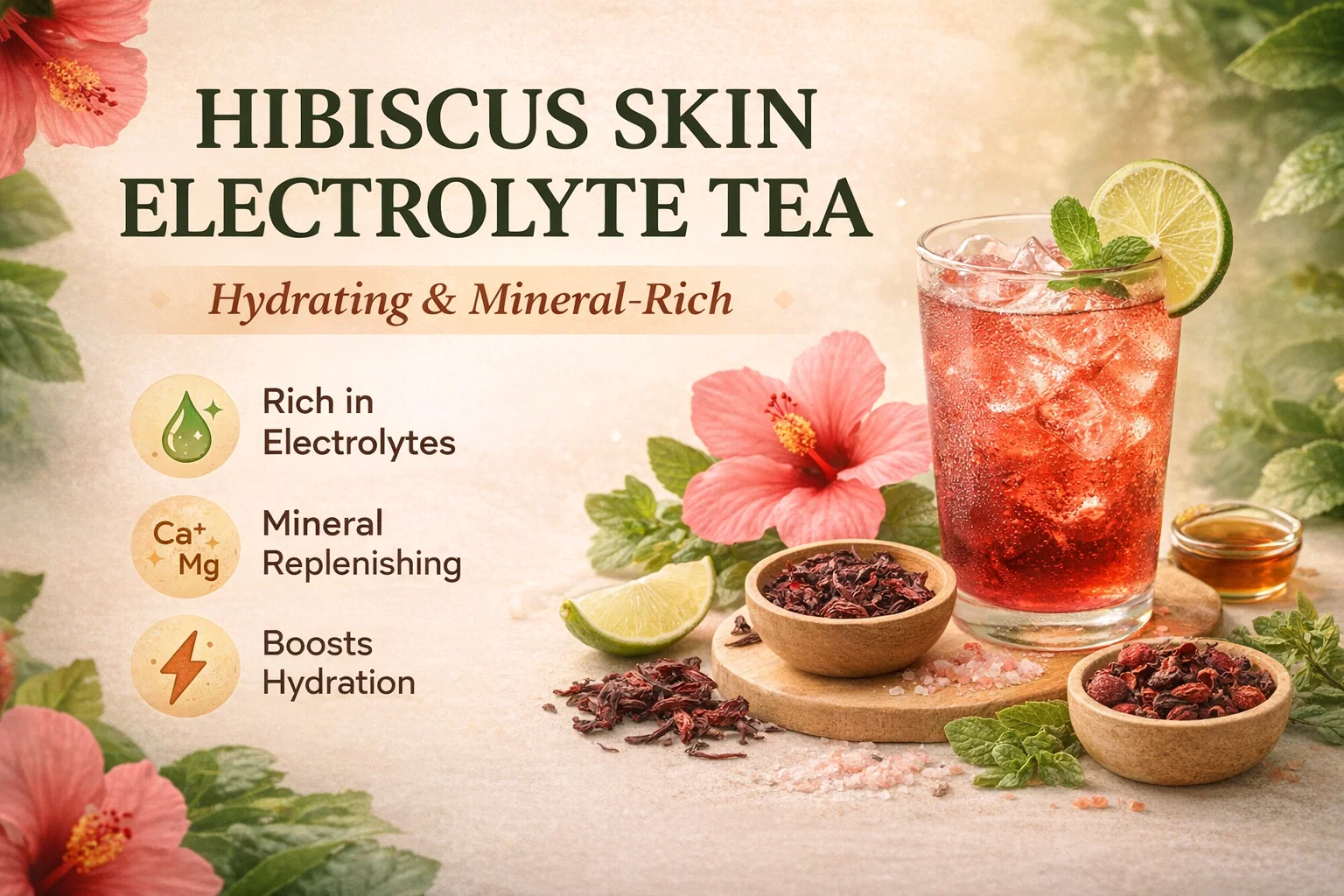
Have you ever finished a workout or spent a long afternoon in the sun only to feel like plain water just isn’t hitting the spot? We have all been there. While we are told to drink eight glasses a day, sometimes our bodies need more than just H2O to truly rehydrate. Commercial sports drinks often promise to replenish your energy, but they are usually loaded with neon food dyes, refined sugars, and artificial flavorings that do more harm than good for your skin and gut health. That is where the magic of Hibiscus Skin Electrolyte Tea comes into play.
Often referred to as nature’s version of a sports drink, this vibrant, crimson infusion is a powerhouse of minerals and vitamins. It is not just a thirst quencher; it is a functional beverage designed to support your body from the inside out. By combining the tart, floral notes of hibiscus with the calming properties of lemon balm and the nutrient density of rosehips, you create a caffeine-free elixir that tastes as good as it looks. Let’s dive into why this specific herbal blend is a game changer for your wellness routine and how you can make it a staple in your kitchen.
The Science of Natural Electrolytes
To understand why this tea is so effective, we first need to look at what electrolytes actually do. Electrolytes are essential minerals like sodium, potassium, calcium, and magnesium that carry an electric charge. They are responsible for regulating nerve and muscle function, hydrating the body, balancing blood acidity and pressure, and helping to rebuild damaged tissue. When we sweat, we don’t just lose water; we lose these vital minerals.
Why Skip the Store-Bought Stuff?
Most people reach for a bright blue or orange bottled drink when they feel dehydrated. While these provide sodium and sugar for quick energy, they often lack the complex micronutrients found in whole plants. Furthermore, the high sugar content can cause a glucose spike followed by a crash, which is the last thing you want when you are already fatigued. This homemade hibiscus tea uses a tiny pinch of sea salt to provide high-quality sodium and trace minerals, while the plants themselves offer a bioavailable source of potassium and magnesium without the chemical additives.
Deconstructing the Ingredients: A Botanical Powerhouse
Every element in this recipe serves a specific purpose for your health and your skin. When you brew a cup of this tea, you are essentially creating a liquid supplement. Let’s look at the key players in this blend.
The Star Ingredient: Dried Hibiscus
Hibiscus sabdariffa is famous for its deep red color and cranberry-like flavor. Beyond its beauty, it is incredibly high in anthocyanins and polyphenols. These antioxidants help fight oxidative stress in the body, which is a major contributor to premature aging and skin dullness. Hibiscus is also known for its ability to support healthy blood pressure and provide a cooling effect on the body, making it the perfect base for a summer hydration drink.
Lemon Balm for Calming Hydration
Lemon balm is a member of the mint family and is widely loved in herbalism for its nervine properties. This means it helps soothe the nervous system. Hydration is not just about physical water levels; it is also about how our body manages stress. Adding lemon balm to your electrolyte tea provides a subtle citrus scent and helps lower cortisol levels, ensuring that your body is in a relaxed state to properly absorb the nutrients you are consuming.
Rosehips: The Vitamin C King
If you want glowing skin, you need vitamin C. Rosehips are one of the most concentrated botanical sources of vitamin C available. This vitamin is crucial for collagen production, which keeps the skin firm and elastic. By steeping rosehips with your hibiscus, you are adding a layer of immune support and skin-regenerating power to every sip. Rosehips also contain flavonoids that enhance the absorption of the minerals found in the sea salt.
Step by Step Guide to Making Hibiscus Skin Electrolyte Tea
Making your own functional beverages might sound intimidating, but it is actually simpler than making a pot of coffee. The key is in the steeping time to ensure you extract all the beneficial compounds from the dried herbs.
Ingredients Checklist
- 1 tablespoon dried hibiscus flowers: Look for food-grade, organic petals for the best flavor.
- 1 teaspoon dried lemon balm: This adds a gentle, herbaceous note.
- 1 teaspoon dried rosehips: These provide the vitamin C boost.
- 1 pinch of high-quality sea salt: Think Himalayan pink salt or Celtic sea salt for the best mineral profile.
- 1 to 2 teaspoons of raw honey or maple syrup: This is optional but helps balance the tartness of the hibiscus.
- 2 cups of hot water: Not boiling, but just below a boil to avoid scorching the delicate lemon balm.
The Brewing Process
Start by placing your dried hibiscus, lemon balm, and rosehips into a heat-proof glass jar or a large tea infuser. Pour your hot water over the herbs. You want to let this steep for at least 10 to 15 minutes. Unlike green tea, which gets bitter if left too long, herbal infusions like this benefit from a longer steep. This allows the tough rosehips to soften and release their minerals.
Once the time is up, strain the liquid into a glass. While the tea is still warm, stir in your pinch of sea salt and your choice of sweetener. Stirring while warm ensures the salt and honey dissolve completely. Now, you have a choice. You can drink it warm for a cozy, soothing effect, or pour it over a tall glass of ice for the ultimate refreshing experience. If you are prepping for a workout, you can even make a large batch and keep it in the fridge for up to three days.
When Should You Drink This Tea?
Timing can enhance the benefits of this electrolyte blend. While you can enjoy it any time, there are specific moments where your body will appreciate it most.
Post-Workout Recovery
After a heavy sweat session, your mineral stores are depleted. Drinking this tea within thirty minutes of finishing your exercise helps jumpstart the recovery process. The natural sugars in the honey help transport the electrolytes into your cells more efficiently, reducing muscle cramping and post-workout fatigue.
During Travel
Airplanes are notoriously dehydrating environments. The recycled air and high altitude can leave your skin looking parched and your energy levels low. Pre-making this tea and bringing it in a reusable bottle (once you are through security) is a great way to stay hydrated without relying on the small cups of water provided on the flight. The lemon balm will also help keep travel anxiety at bay.
On Hot Summer Days
When the temperature rises, our bodies work overtime to keep us cool through perspiration. Hibiscus is naturally “refrigerant” in herbal terms, meaning it helps lower internal body temperature. Sipping this tea chilled on a porch or by the pool is a much healthier way to stay cool than reaching for a sugary soda.
The Connection Between Hydration and Skin Health
There is a reason this recipe is called “Skin Electrolyte Tea.” Most people focus on topical serums and creams to achieve a glow, but true radiance starts at the cellular level. When you are dehydrated, your skin is the first place it shows. Fine lines become more prominent, under-eye circles darken, and your complexion can look sallow.
Boosting Collagen Naturally
The combination of vitamin C from the rosehips and the antioxidants from the hibiscus creates a perfect environment for collagen synthesis. Collagen is the structural protein that prevents sagging. By drinking these nutrients, you are providing the building blocks your skin needs to repair itself from sun damage and environmental pollutants.
Reducing Inflammation
Chronic inflammation is the enemy of clear skin. It can lead to breakouts, redness, and sensitivity. The anti-inflammatory properties of hibiscus and lemon balm help calm the body’s internal fire. When your internal systems are balanced and hydrated, your skin naturally reflects that balance with a clearer, more even tone.
Customizing Your Electrolyte Blend
Once you have mastered the basic recipe, you can start to get creative. Herbalism is all about intuition and listening to what your body needs at any given moment.
For Extra Energy
If you need a bit of a pick-me-up but want to stay caffeine-free, try adding a slice of fresh ginger to the steeping process. Ginger improves circulation and adds a spicy kick that complements the tart hibiscus beautifully.
For Deep Relaxation
If you are drinking this tea in the evening to wind down, you might add a few dried lavender buds. Lavender and lemon balm are a classic pairing for sleep support. The pinkish-purple hue of the tea also makes for a beautiful bedtime ritual that signals to your brain that it is time to rest.
For Digestive Support
If you find that your dehydration is accompanied by bloating, add a few peppermint leaves to the mix. Peppermint helps relax the muscles of the GI tract and adds a cooling, refreshing finish to the tea.
Final Thoughts on Natural Hydration
Switching from processed drinks to a natural, herbal electrolyte tea is one of the easiest ways to upgrade your daily wellness routine. It is affordable, sustainable, and incredibly effective. By taking a few minutes to brew a batch of Hibiscus Skin Electrolyte Tea, you are choosing to nourish your body with ingredients that support your heart, your nervous system, and your skin.
Remember that wellness is not about being perfect; it is about making better choices where you can. Replacing just one sugary beverage a day with this mineral-rich infusion can make a noticeable difference in how you feel and how you look. So, grab your hibiscus petals and start brewing your way to better hydration. Your body and your skin will certainly thank you for it.
Whether you are a seasoned herbalist or just starting your journey into natural remedies, this recipe is a perfect entry point. It reminds us that nature has already provided everything we need to stay balanced and vibrant. Give this recipe a try this week and see the difference that real, plant-based hydration can make in your life.