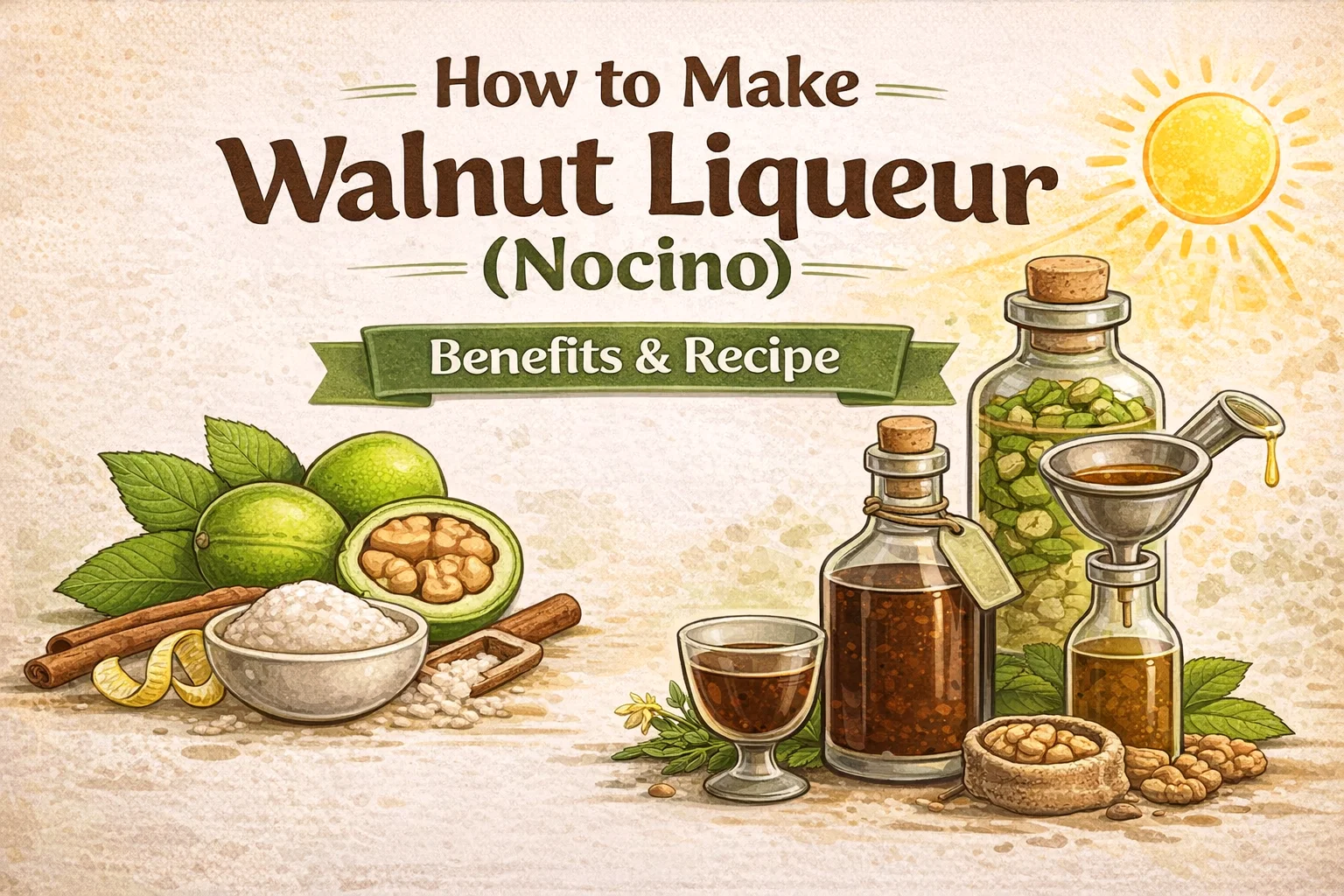
Homemade Nocino Traditional Green Walnut Liqueur Recipe
There is something deeply magical about stepping back into the traditions of our ancestors and crafting remedies by hand. In our fast-paced world, the art of slow living and herbal crafting offers a grounding escape. One of the most rewarding and historically rich projects you can embark on is making your own Nocino, a traditional green walnut liqueur. This dark, aromatic elixir is not just a delicious homemade treat; it is a revered staple in folk medicine, celebrated for its robust flavor and digestive benefits. If you have a passion for holistic healing herbs and DIY apothecary projects, crafting this spiced, warming liqueur will quickly become your favorite annual tradition.
What is Nocino? A Dive into Traditional Folk Medicine
Nocino is a sticky, dark brown liqueur with roots deep in Italian tradition, though similar green walnut preparations exist throughout various European cultures. Historically, the gathering of green walnuts was steeped in folklore. The nuts were typically harvested around late June, specifically on the eve of San Giovanni (St. John’s Day). At this time of year, the walnuts are still unripe, soft enough to be pierced with a pin, and have not yet formed their hard inner shell.
This timing is absolutely crucial. The green husk is packed with essential oils, tannins, and potent plant compounds that give the liqueur its distinctive, bittersweet, and complex flavor profile. When we create this remedy, we are participating in a centuries-old practice of capturing the vitality of the summer solstice and preserving it for the cold, dark days of winter. It is a perfect example of how traditional culinary arts and holistic wellness naturally intertwine to create something beautiful.
The Incredible Benefits of Green Walnut Liqueur
While many people enjoy this spiced drink simply for its rich, warming taste, its origins lie firmly in the realm of natural healing. Holistic practitioners and folk herbalists have long valued the green walnut for its powerful medicinal properties.
A Powerful Digestive Tonic
The primary traditional use for this herbal liqueur is as a digestif. After a heavy, rich meal, a small glass of this bittersweet tonic gently stimulates the digestive system. The bitter compounds present in the green walnut husks help trigger the production of digestive juices and bile. This natural process aids in breaking down heavy fats and easing stomach discomfort. It is a natural, soothing, and delicious way to conclude a feast.
Rich in Plant Compounds
Green walnuts are absolute powerhouses of nutrition and healing properties. They are exceptionally rich in antioxidants, specifically phenolic compounds and vitamin C. While the alcohol extraction process inevitably changes the chemical makeup of the fresh nut, the resulting dark tincture still retains a wealth of beneficial plant compounds. These compounds are known to support overall wellness and help combat oxidative stress within the body.
Gathering Your Herbal Ingredients
Creating this beautiful, dark elixir requires only a handful of simple, natural ingredients. The true magic happens in the chemical reaction between the green walnuts, the aromatic spices, and the steady passing of time. Here is exactly what you will need to gather for your homemade apothecary session:
- 20 green walnuts: These must be absolutely unripe. You should be able to slice through them completely with a standard kitchen knife. If the inner shell has begun to harden, it is unfortunately too late in the season.
- 500 ml of alcohol: A neutral spirit is best to let the complex walnut flavor shine through. High-proof vodka or a neutral grain spirit works perfectly for this extraction.
- 1 cinnamon stick: This botanical addition adds a layer of warming spice that beautifully complements the bitter, earthy notes of the raw walnut.
- Lemon peel: The bright, citrusy oils balance the dark, heavy flavors of the brew. Make sure to peel carefully to avoid the white pith beneath the skin, which can add unwanted, harsh bitterness.
- 1.5 cups of sugar: This will be used later in the process to create a simple syrup that sweetens the harsh botanical extract into a smooth, highly sippable liqueur.
Step-by-Step Guide to Crafting Your Tonic
Making this traditional remedy is a masterclass in patience. The active preparation takes very little time, but the steeping and aging process requires months of waiting. This slow, deliberate extraction is exactly what makes herbal medicine making so special and rewarding.
Step 1: The Initial Preparation
Begin by washing your unripe walnuts thoroughly under cold water. When you are ready to cut them, please heed this highly crucial piece of advice: you must wear gloves! Unripe walnuts contain juglone, a natural compound that will aggressively stain your hands, cutting board, and anything else it touches a deep, stubborn shade of brown. Quarter the walnuts carefully using a sharp, heavy chef’s knife.
Place the chopped green pieces into a large, fully sterilized glass mason jar. Add your fragrant cinnamon stick and the fresh lemon peel. Finally, pour the 500 ml of alcohol over the top, ensuring all the botanical ingredients are completely submerged beneath the liquid. Seal the glass jar tightly with a well-fitting lid.
Step 2: The Sunlight Infusion
Unlike many delicate herbal tinctures that require a cool, dark storage space, this traditional Italian recipe relies heavily on the power of the sun. Place your sealed glass jar directly on a sunny windowsill or outdoors in a spot that receives direct sunlight. Leave it there to infuse for 30 to 40 days.
During this intense solar infusion period, you will witness a truly beautiful transformation. The clear alcohol will slowly shift to a vibrant, glowing green, then eventually darken to an inky, opaque black. This visual change is an excellent indicator that the potent oils and healing compounds are successfully extracting from the nuts into the spirit. Give the jar a gentle, swirling shake every few days to encourage the extraction process.
Step 3: Straining and Sweetening
Once the 40 days have officially passed, it is time to strain the precious liquid. Line a fine mesh kitchen sieve with a double layer of cheesecloth or a clean coffee filter, and place it securely over a large mixing bowl. Pour the entire contents of your sun-warmed jar through the filter. Press down firmly on the walnut pieces with the back of a wooden spoon to extract every last drop of the dark liquid. Discard the spent walnuts and spices to your compost bin.
Now, prepare your sweet sugar syrup. Dissolve the 1.5 cups of sugar in a small amount of warm water, using just enough liquid to create a thick, rich syrup. Let this syrup cool completely to room temperature, then pour it slowly into your dark walnut extract. Stir thoroughly with a whisk to ensure the sweetener is fully integrated into the alcohol.
Step 4: The Art of Aging
If you were to taste the mixture right now, it would likely be incredibly harsh, highly astringent, and overwhelmingly bitter. Do not worry because this is completely normal and expected. The most important secret ingredient in this entire recipe is time.
Transfer the newly sweetened liqueur into clean, airtight glass bottles. Store these bottles securely in a cool, dark cupboard or cellar, and leave them to age for a strict minimum of 2 to 3 months. Many traditionalists firmly insist on waiting until the winter holidays to open their summer harvest. During this quiet resting period, the sharp, bitter notes will soften beautifully, and the flavors will meld into a remarkably smooth, velvety, and complex digestif.
Expert Tips for the Perfect Batch
Once you fully understand the basic framework of this folk remedy, you can begin to make it your own. Here are a few expert tips to elevate your herbal crafting to the next level:
- Play with Aromatics: While cinnamon and lemon form the traditional backbone of the flavor profile, you can experiment by adding a few whole cloves, a split vanilla bean, or even a star anise pod to the initial infusion jar. Keep these additions subtle to avoid completely overpowering the delicate walnut base.
- Quality Truly Matters: Because this recipe utilizes so few ingredients, the quality of each individual component shines right through to the final product. Try your best to source organic lemons for the peel and ensure your foraged green walnuts are completely free of agricultural pesticides.
- Play the Long Game: While 2 to 3 months is the absolute minimum aging time, this specific liqueur truly gets significantly better with extended age. If you can somehow manage to save a bottle for a full year or even two years, you will be rewarded with an exceptionally smooth, port-like elixir that is unparalleled in depth and flavor.
How to Serve and Enjoy
When the long wait is finally over and the winter chill has officially set in, it is time to reap the abundant rewards of your slow-living project. Nocino is traditionally served neat in a very small cordial glass, kept at room temperature. It acts as the absolute perfect conclusion to a hearty, rich dinner, acting as a soothing botanical balm for a full stomach.
If you prefer a slightly lighter, cooler drink, you can serve it poured over a single large ice cube. The melting ice gently dilutes the thick, dark syrup and allows the aromatic spices to open up on the palate. For a truly decadent, unforgettable dessert treat, try drizzling a generous spoonful over a bowl of high-quality vanilla bean ice cream. The sharp contrast between the freezing, sweet cream and the warm, heavily spiced, slightly bitter liqueur is absolutely divine.
Conclusion: Embracing Herbal Traditions
Making your own green walnut liqueur is about so much more than just following a culinary recipe. It is an open invitation to intimately connect with nature’s shifting cycles and to practice the incredibly rewarding art of herbal medicine making. By purposefully taking the time to forage, prepare, and patiently age this traditional remedy, you are creating something deeply special that simply cannot be bought on a store shelf. Gather your glass jars, source your unripe green walnuts before the season passes, and start your very own apothecary tradition this summer. Your future self will certainly thank you when you pour that very first rich, dark glass after a spectacular winter meal.