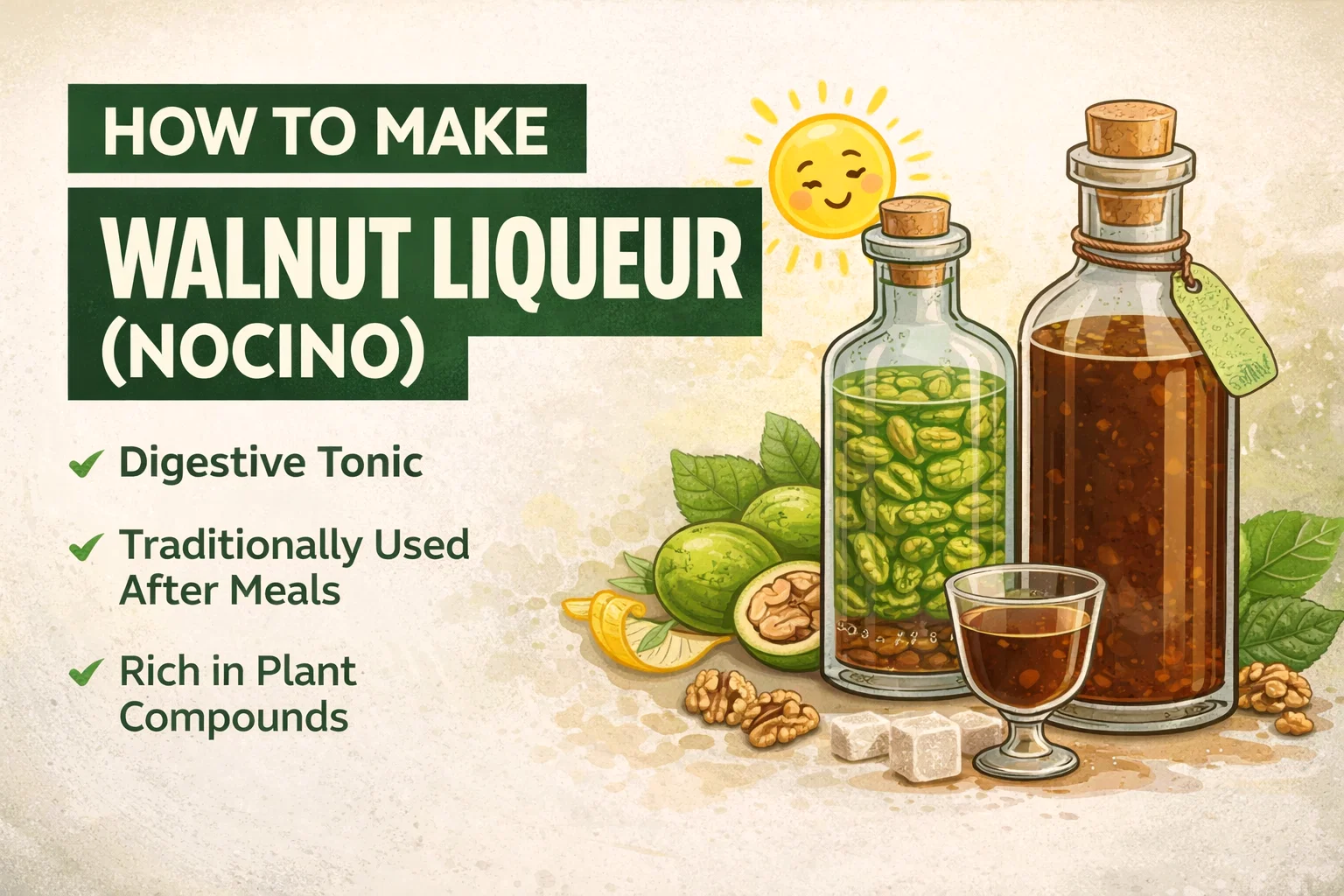
Homemade Nocino Walnut Liqueur Recipe Digestive Tonic
There is a profound sense of satisfaction that comes from crafting your own herbal remedies and traditional tonics right in your very own kitchen. For generations, herbalists, grandmothers, and folk medicine practitioners have relied on the natural cycles of the earth to create deeply flavorful and potent concoctions. These preparations do more than just delight the palate, as they are specifically designed to heal the body, aid in digestion, and warm the spirit. Today, we are exploring one of the most revered, robust, and historically rich recipes in the apothecary cabinet. We are talking about Nocino, a dark, earthy, and complex green walnut liqueur. This beautiful syrupy elixir is a cornerstone of traditional European folk medicine. Whether you are a seasoned herbalist or a curious beginner looking to dip your toes into homemade plant medicine, this comprehensive guide will teach you exactly how to prepare, age, and enjoy your own batch of digestive walnut liqueur.
The Fascinating History and Folklore of Nocino
Before we dive into the sticky and wonderful process of making this liqueur, it is incredibly helpful to understand its roots. Nocino originates from the agricultural regions of Italy, though similar green walnut preparations can be found throughout France, Germany, and Eastern Europe. Steeped in centuries of folklore, tradition dictates that the green walnuts must be harvested on a very specific date. Traditionally, this is the Feast of San Giovanni, or St. John’s Eve, which falls on June 23rd or 24th. According to ancient legends, the walnuts were gathered by barefoot women under the cover of darkness, carefully selected while still covered in the morning dew.
While you certainly do not have to harvest your walnuts at midnight under a full moon, the timing of the harvest is actually rooted in very practical botanical science. In late June, the walnuts are perfectly unripe. The outer husk is green and fragrant, and the inner hard shell has not yet formed. This means you can slice completely through the entire nut with a standard kitchen knife. Capturing the nut at this precise developmental stage is the absolute key to extracting the right flavors and medicinal properties for your liqueur.
The Magic Ingredient: Unripe Green Walnuts
If you have never worked with green walnuts before, you are in for a truly unique culinary experience. Unlike the hard, brown, brain-shaped nuts we crack open in the wintertime, green walnuts look more like smooth green apples or limes. They grow clustered on the branches of the walnut tree. When you slice into them, you will reveal a beautiful, intricate interior. The center contains the soft, gelatinous beginnings of the actual nut, encased in a pale green flesh that will eventually harden into a wooden shell.
It is crucial to wear gloves when handling and chopping green walnuts. These unripe nuts are bursting with natural tannins and a chemical compound called juglone. When juglone comes into contact with the air and your skin, it oxidizes rapidly. Within minutes, it turns a deep, staining dark brown or black. This oxidation process is exactly what gives Nocino its signature dark, inky color, but it will also stain your hands for weeks if you are not careful. Always protect your hands and your cutting boards when preparing this recipe.
Traditional Health Benefits of Walnut Liqueur
While many modern drinkers enjoy Nocino purely for its complex, spicy, and bittersweet flavor profile, its origins are firmly rooted in the realm of natural healing and folk medicine. This liqueur is classified as a digestif, which is an alcoholic beverage served after a meal to aid in digestion.
A Powerful Digestive Tonic
The primary traditional use for walnut liqueur is to soothe the stomach after a heavy, rich, or exceptionally large meal. The extreme bitterness of the green walnuts acts as a natural stimulant for the digestive system. Bitter flavors trigger receptors on the tongue that send signals to the brain, stomach, and gallbladder. This chain reaction stimulates the production of saliva, stomach acid, and bile. By increasing these digestive fluids, your body is much better equipped to break down heavy fats and complex proteins, significantly reducing feelings of bloating, indigestion, and sluggishness.
Rich in Beneficial Plant Compounds
Green walnuts are an absolute powerhouse of nutrition and medicinal compounds. Because they are harvested while actively growing, they contain highly concentrated levels of vitamin C, iodine, and potent antioxidants. The high tannin content provides astringent properties, which have traditionally been used to tone and tighten the tissues of the digestive tract. Furthermore, the essential oils present in the green husks possess mild antimicrobial properties, contributing to the overall balancing effect this tonic has on the gut microbiome.
Gathering Your Ingredients for Homemade Nocino
Creating this traditional recipe requires just a handful of simple, high-quality ingredients. The magic truly lies in the aging process rather than complex cooking techniques. Here is exactly what you need to gather to start your apothecary project.
- 20 Green Walnuts: Remember, these must be unripe. You should be able to pierce them easily with a sharp knife. Wash them thoroughly and chop them into quarters.
- 500 ml Alcohol: You need a strong, neutral spirit to act as the solvent for your plant medicine. A high-proof vodka or pure grain alcohol works best. The high alcohol content effectively extracts the water-soluble and alcohol-soluble compounds from the nuts and spices.
- 1 Cinnamon Stick: Cinnamon adds a beautiful, warming depth to the liqueur, complementing the earthy tones of the walnuts.
- Lemon Peel: Use a vegetable peeler to strip the bright yellow zest from one organic lemon. Avoid the bitter white pith. The citrus oils provide a bright, lifting high note to the final brew.
- 1.5 Cups of Sugar: This will be used later in the process to create a simple syrup, transforming your harsh, bitter extraction into a smooth, palatable liqueur.
Step-by-Step Preparation Guide
The method for making Nocino is an exercise in slow living. It requires patience and a watchful eye, but the actual hands-on time is incredibly minimal. Follow these traditional steps to ensure a perfect extraction.
Step 1: Combine the Botanicals and Alcohol
Begin by putting on a pair of kitchen gloves. Carefully chop your 20 green walnuts into halves or quarters. Place the chopped walnuts directly into a large, sterilized glass mason jar. Toss in your cinnamon stick and the ribbons of fresh lemon peel. Finally, pour the 500 ml of high-proof alcohol over the top of the ingredients. Ensure that the nuts and spices are completely submerged beneath the liquid to prevent any spoilage. Seal the jar tightly with a leak-proof lid.
Step 2: Infuse in Sunlight
Unlike many herbal tinctures that require a cool, dark cupboard, traditional Nocino loves the sun. Place your sealed glass jar on a warm, sunny windowsill. You will let this mixture infuse for 30 to 40 days. The warmth of the sunlight gently heats the alcohol, accelerating the extraction process and helping to break down the tough cell walls of the green walnuts. Over the course of these weeks, you will witness a fascinating transformation. The clear liquid will quickly turn a vibrant, murky green, and eventually transition into a deep, impenetrable, inky black. Shake the jar gently every few days to agitate the ingredients and encourage an even extraction.
Step 3: Strain and Sweeten
After your 30 to 40 days of solar infusion are complete, it is time to strain out the solid plant matter. Line a fine mesh sieve with a piece of cheesecloth or a coffee filter and place it over a clean bowl or measuring jug. Carefully pour the dark liquid through the filter. Press down on the walnuts to extract every last drop of the medicinal liquid, but be mindful of stains. Discard or compost the spent walnuts and spices.
Now, you must sweeten your extract. Create a simple syrup by combining your 1.5 cups of sugar with an equal amount of water in a saucepan. Heat the mixture gently on the stove until the sugar is completely dissolved. Allow the syrup to cool completely to room temperature. Once cooled, blend the simple syrup into your dark walnut extract. Stir well to combine.
Step 4: The Crucial Aging Process
If you were to taste your freshly sweetened Nocino right now, you might be disappointed. It will likely taste harsh, overly bitter, and heavily alcoholic. This brings us to the most critical step of all. You must age the liqueur. Pour the sweetened mixture into clean glass bottles, cork them tightly, and store them in a cool, dark place like a pantry or cellar. Let the liqueur age for an absolute minimum of 2 to 3 months. Six months to a year is even better. During this resting period, the harsh tannins mellow out, the sharp alcohol bite softens, and the flavors integrate into a smooth, warming, incredibly complex symphony of spice, vanilla, oak, and dark fruit notes.
How to Enjoy Your Homemade Digestive Tonic
Once your patience has finally paid off and the cooler winter months have arrived, your Nocino will be ready to enjoy. Because of its intense flavor profile and medicinal nature, this is not a beverage you consume in large quantities. It is meant to be savored.
The most traditional way to serve this liqueur is neat, poured into a small cordial glass at room temperature. Bring it out at the end of a long dinner party, especially following a heavy meal of roasted meats or rich cheeses. Sip it slowly, allowing the warming spices to settle your stomach and signal the end of the evening. It provides a beautiful, aromatic conclusion to any gathering.
If you find the flavor too intense on its own, Nocino is incredibly versatile in the kitchen. Try pouring a small splash over a bowl of high-quality vanilla bean ice cream for an unforgettable, sophisticated dessert. It also pairs beautifully with coffee. Stir a spoonful into your after-dinner espresso for a deeply comforting winter warmer. You can even experiment with it in mixology, using it as a dark, spicy substitute for sweet vermouth in classic cocktails like a Manhattan or a Negroni.
Embracing the Art of Slow Herbalism
Creating your own walnut liqueur is a beautiful reminder of the rhythms of nature and the wisdom of traditional folk medicine. It forces us to slow down, wait for the proper season to harvest, and practice deep patience while the medicine ages to perfection. By taking the time to craft this digestive tonic, you are not just making a delicious beverage. You are participating in an ancient apothecary tradition that connects you to the earth and provides your body with powerful, natural support. So, mark your calendars for late June, keep an eye out for a local walnut tree, and get ready to start your very own batch of this magical, healing elixir. Your digestion, and your dinner guests, will thank you.