How Food Affects Your Organs Surprising Facts About Diet and Health
Have you ever stopped to consider what actually happens inside your body the moment you swallow a mouthful of food? Most of us focus on the taste, the texture, or perhaps the calorie count, but the biological reality is far more complex. Your organs are like a finely tuned orchestra, and the nutrients or toxins you consume are the sheet music they have to follow. When we provide high quality fuel, the music is harmonious. However, when we consistently consume substances that strain our internal systems, the melody begins to falter. Understanding how specific dietary choices impact individual organs is not about fear; it is about empowerment. By learning the direct connection between what is on your plate and how your heart, brain, and kidneys function, you can take proactive control of your long term vitality.
The Sweet Saboteur: How Sugar Impacts the Brain and Teeth
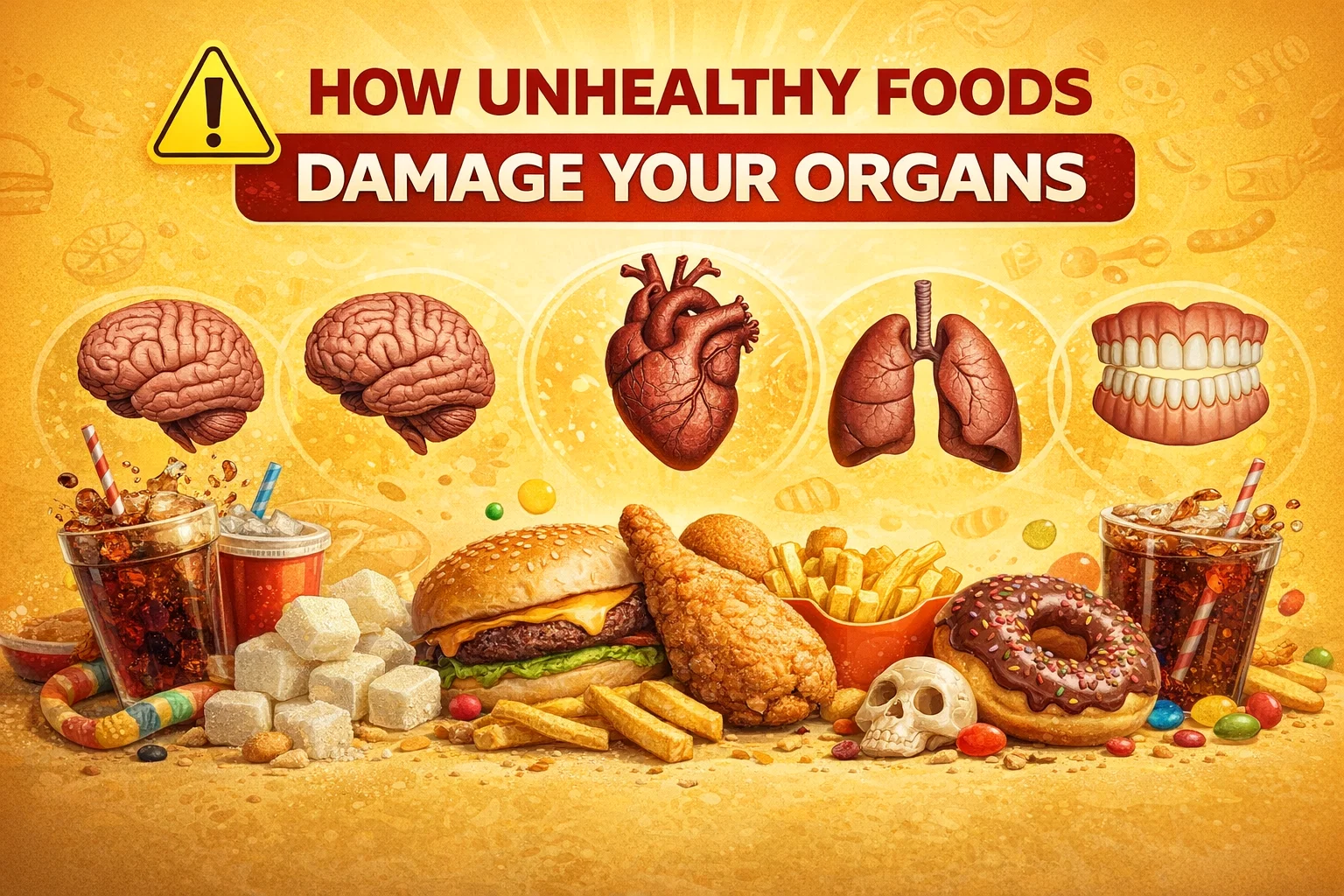
Sugar is perhaps the most pervasive ingredient in the modern diet, hidden in everything from salad dressings to bread. While it provides a quick energy spike, the long term consequences for your two most visible and vital areas, your teeth and your brain, are significant. Most people know that sugar causes cavities, but the mechanism is fascinating. Bacteria in your mouth thrive on sugar, producing acid as a byproduct that eats away at your tooth enamel. Without strong enamel, your teeth become vulnerable to decay and sensitivity, affecting your ability to eat and speak comfortably.
The Neurological Cost of High Sugar Intake
Beyond the mouth, sugar acts as a silent disruptor in the brain. Chronic high sugar consumption has been linked to inflammation in the brain and a decrease in BDNF, a growth hormone that helps your brain cells communicate and form new connections. This can lead to brain fog, memory lapses, and an increased risk of cognitive decline as we age. When you consume excess sugar, your brain experiences a massive dopamine hit similar to certain addictive substances, which can lead to a cycle of cravings and crashes that leave your mental clarity compromised. Choosing whole fruits over processed sweets provides the sweetness you crave along with fiber that slows down sugar absorption, protecting both your smile and your mind.
The Heart and Lungs: The Toll of Oily and Fried Foods
Your cardiovascular and respiratory systems work in tandem to keep oxygenated blood flowing through your body. However, a diet high in oily, fried, and heavily salted foods creates a physical barrier to this efficiency. Oily foods, particularly those high in trans fats and saturated fats, contribute to the buildup of plaque in your arteries. This condition, known as atherosclerosis, forces your heart to work much harder to pump blood, significantly increasing the risk of heart disease and stroke. The heart is a muscle that requires clean pathways to function, and heavy oils act like sludge in the pipes.
Respiratory Health and Dietary Choices
Interestingly, many people do not realize that what they eat affects their lungs. Excess salt and fried foods can trigger inflammation in the respiratory tract. For individuals with underlying conditions like asthma, a high salt diet can exacerbate symptoms by causing fluid retention and increasing airway sensitivity. Fried foods often contain inflammatory compounds created during high heat cooking, which can circulate through the bloodstream and affect lung tissue. Focusing on healthy fats like those found in avocados or walnuts can provide the lubrication your body needs without the inflammatory side effects of deep fried alternatives.
The Gut and Skin: The Connection to Processed Foods and Dairy
The gut is often referred to as the second brain because it houses the majority of your immune system and produces many of the neurotransmitters that regulate mood. Processed market foods are often stripped of fiber and loaded with preservatives, which can devastate the delicate balance of your gut microbiome. When the gut flora is out of balance, it can lead to “leaky gut,” where toxins escape the intestinal tract and enter the bloodstream. This systemic inflammation often manifests in the body’s largest organ: the skin.
Why Skin Reacts to Dairy and Additives
For many individuals, dairy is a specific trigger for skin issues like acne or eczema. This is often due to the hormones found in milk or a natural sensitivity to lactose and casein. When the body struggles to process these substances, it may attempt to expel toxins through the skin, resulting in breakouts or rashes. Similarly, the artificial colors and flavors in processed foods can trigger inflammatory responses. A diet rich in fermented foods, colorful vegetables, and plenty of water helps keep the gut lining strong and the skin clear, proving that beauty truly does start from the inside out.
The Silent Workers: Liver, Pancreas, and Kidneys
The liver, pancreas, and kidneys are your body’s primary filtration and regulation centers. They work tirelessly behind the scenes to detoxify your blood and manage your blood sugar. Alcohol is perhaps the most well known enemy of the liver. The liver is responsible for breaking down alcohol, but in the process, it creates toxic substances that can damage liver cells, lead to fatty liver disease, and eventually cause permanent scarring or cirrhosis. Limiting alcohol intake is the single best way to show your liver some much needed appreciation.
The Role of Temperature and Salt
The pancreas and kidneys are equally sensitive to our daily habits. While it might seem harmless, consistently consuming ice cold drinks can actually strain the pancreas and the digestive process. Extremely cold temperatures can slow down the enzymes needed for digestion, forcing the pancreas to work overtime to regulate internal temperatures and manage insulin secretion. Meanwhile, your kidneys are the masters of fluid balance. Excess salt intake forces the kidneys to hold onto more water to dilute the sodium, which raises blood pressure and puts immense pressure on the delicate vessels within the kidneys. Over time, this can lead to kidney disease. Reducing salt and opting for room temperature or warm beverages can significantly lighten the load on these vital organs.
Building a Body Positive Nutrition Plan
Now that we understand the risks, it is important to focus on the solutions. Transforming your health does not require a complete lifestyle overhaul overnight. Instead, it starts with making conscious, informed decisions one meal at a time. Replacing processed snacks with whole foods is a powerful first step. When you choose a piece of fruit over a candy bar, or grilled fish over fried chicken, you are actively choosing to protect your brain, heart, and liver. Hydration also plays a key role in organ health, as water helps the kidneys flush out toxins and keeps the skin supple.
- Prioritize Whole Foods: Stick to the perimeter of the grocery store where fresh produce, lean proteins, and healthy fats are located.
- Read Labels Carefully: Look out for hidden sugars and high sodium content in packaged goods.
- Listen to Your Body: Pay attention to how you feel after eating certain foods. If you feel sluggish or bloated, your organs might be telling you they are struggling.
- Moderate Alcohol and Caffeine: Give your liver and kidneys a break by keeping intake within recommended limits.
The Power of Consistency
The beauty of the human body is its incredible ability to heal and adapt. When you stop overloading your system with sugar, salt, and processed fats, your organs can begin to recover. Inflammation subsides, energy levels stabilize, and your risk for chronic disease drops significantly. It is never too late to start making better choices. Your organs have been working for you since before you were born; it is only fair to start working for them in return.
Conclusion: Honor Your Body with Every Bite
Your health is your most valuable asset, and your organs are the engines that keep it running. As we have explored, the connection between diet and organ function is direct and undeniable. By being mindful of sugar intake, reducing reliance on processed and fried foods, and being cautious with alcohol and salt, you create an internal environment where your body can thrive rather than just survive. Treat your meals as a form of medicine and a way to respect the incredible biological machine that carries you through life. Start today by making one small change, your brain, heart, and gut will thank you for years to come.