How Long Common Foods Take To Digest Healthy Digestion Gut Health Tips For Women
Have you ever finished a heavy dinner and felt like a brick was sitting in your stomach for hours? Or perhaps you have eaten a light fruit salad only to find your energy levels spiking and then crashing before you even finished your morning emails? The secret to these physical reactions lies in a biological process we often take for granted: digestion. Understanding the transit time of the foods we eat is more than just a fun science fact. It is a fundamental pillar of metabolic health, energy management, and long term wellness.
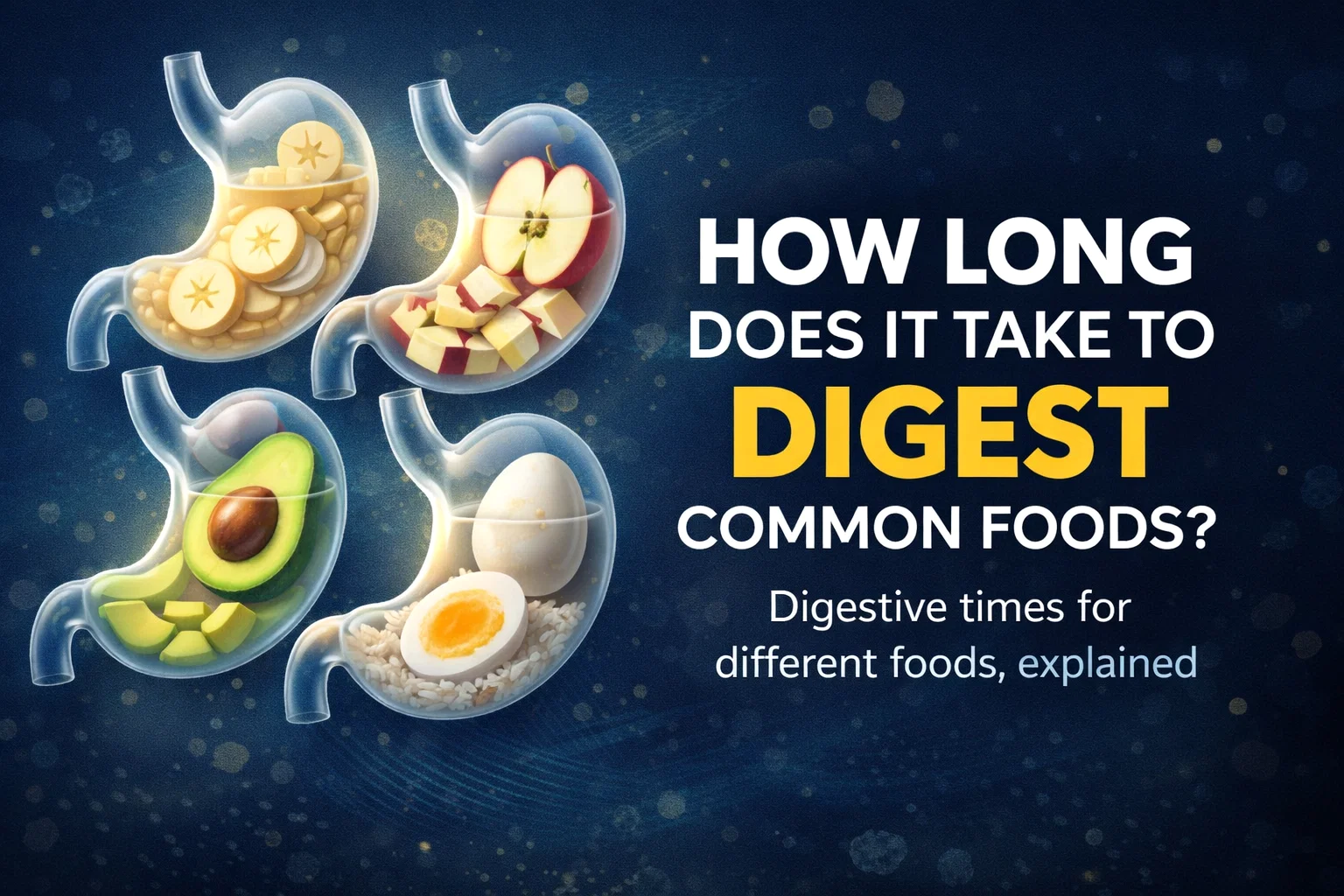
The visual guide we are looking at today provides a fascinating snapshot of how our bodies prioritize different macronutrients. From the lightning fast breakdown of a simple banana to the slow, methodical processing of a piece of aged cheese, every food follows its own unique timeline. By learning these rhythms, you can stop guessing why you feel bloated or tired and start fueling your body with intention. Let us dive deep into the world of digestive timelines and discover how you can optimize your plate for better health.
Shutterstock
The Science of the Stomach: What Determines Digestion Speed?
Before we break down the specific items in the image, it is important to understand the mechanics at play. Digestion is not a one size fits all process. It is a complex chemical and mechanical operation that begins the moment you smell food and ends long after you have left the table. Several factors dictate how quickly your body can move an item from the stomach into the small intestine.
Macronutrient Composition
The biggest factor is the type of nutrient you are consuming. Carbohydrates, especially simple ones found in fruit and white rice, are the body’s preferred quick energy source. They require less enzymatic breakdown and move through the stomach rapidly. Proteins are more complex, requiring a high acid environment and specific enzymes like pepsin to break down their amino acid chains. Fats are the slowest of all, as they must be emulsified by bile before they can be absorbed, which sends signals to the stomach to slow down emptying.
Fiber Content and Density
Fiber acts as a regulator. Soluble fiber can create a gel like substance that slows down the absorption of sugars, while insoluble fiber adds bulk. Additionally, the physical density of the food matters. A liquid smoothie will always leave the stomach faster than a solid piece of steak, even if they have the same caloric value, because the stomach must physically grind solids into a paste called chyme before they can pass through the pyloric sphincter.
Fast Track Fuel: Fruits and Simple Carbs
According to our visual guide, bananas and apples are the sprinters of the digestive world. Taking between 30 to 40 minutes, these foods provide almost immediate glucose to the bloodstream. This makes them the ultimate pre-workout snack. If you need a burst of energy for a morning run or a mid afternoon lift, reaching for a banana is biologically smarter than reaching for a handful of nuts.
White rice follows closely at the one hour mark. Because it has been stripped of its husk and bran, it is a very “clean” burning fuel source that the body can process without much effort. This is exactly why white rice is a staple for athletes who need high carb intake without the digestive distress that often comes with high fiber grains. It is efficient, predictable, and easy on the gut.
The Middle Ground: Healthy Fats and Light Proteins
As we move into the two to three hour range, we see a shift toward satiety. This is the “sweet spot” for most people’s meals. Avocados take about two hours to process. While they are technically a fruit, their high healthy fat content keeps them in the stomach significantly longer than an apple. This is why adding half an avocado to your toast keeps you full until lunch while plain toast might leave you hungry an hour later.
Eggs and almonds represent the transition into more complex structures. At 2.5 to 3 hours, these foods provide a steady release of amino acids and minerals. Almonds are particularly interesting because they combine fiber, protein, and fat. This trifecta creates a slow, controlled digestion process that prevents insulin spikes, making them a top tier snack for anyone managing blood sugar levels.
The Heavy Hitters: Meats and Dairy
When we get to the bottom of the chart, we see the powerhouse proteins. Steak and chicken both clock in at around 3.5 hours. Red meat, in particular, is dense and fibrous, requiring significant muscular effort from the stomach to break down. This long transit time is why a steak dinner feels so much more “substantial” than a chicken salad. It stays with you, providing a long tail of satiety.
The winner for the longest digestion time is cheese, coming in at a whopping 4.5 hours. Dairy products, especially aged and hard cheeses, are high in both protein (casein) and fat. Casein is famous for forming a “clot” or curd in the stomach, which is designed by nature to digest very slowly. This is why many people find that eating heavy dairy late at night leads to vivid dreams or a “food hangover” the next morning: your body is still working hard to process that cheese long after you have fallen asleep.
Practical Tips for a Happier Gut
Now that we know the timelines, how do we use this information? It all comes down to meal timing and food sequencing. By respecting these natural biological clocks, you can significantly reduce bloating and improve your energy levels throughout the day.
- Eat Fruits Alone or Before Meals: Since fruit digests in 30 minutes, eating it after a 4 hour steak can cause the fruit to “sit” on top of the heavier meal, leading to fermentation, gas, and discomfort.
- Sequence Your Plate: Start with the easiest items to digest (like a salad or fruit) and move toward the heavier proteins.
- Mind the “Late Night” Window: Try to finish heavy fats and proteins like cheese or steak at least 4 hours before bed so your digestive system can rest while you sleep.
- Hydration is Key: Water helps move chyme through the digestive tract. However, avoid gulping large amounts of ice cold water during a heavy meal, as it can dilute digestive enzymes.
The Role of Enzymes and Gut Health
It is important to remember that these numbers are averages. Your personal digestion time might vary based on your gut microbiome and enzyme production. If you lack the specific enzymes to break down lactose, that cheese is going to cause issues regardless of the 4.5 hour timeline. Similarly, if your stomach acid is low, that steak might take even longer to process, leading to a heavy, sluggish feeling.
Supporting Your Natural Rhythm
To help your body stay on track with these timelines, consider incorporating bitter foods like arugula or dandelion greens before a heavy meal. These “bitters” stimulate the production of bile and stomach acid, essentially “priming the engine” for the work ahead. Probiotic rich foods like sauerkraut or kefir can also help ensure that once the food leaves the stomach, your gut bacteria are ready to finish the job efficiently.
Common Misconceptions About Digestion
Many people believe that “slow digestion” is always a bad thing, but that is a myth. Slow digestion is actually a tool for weight management and satiety. If everything we ate digested in 30 minutes, we would be in a constant cycle of hunger and overeating. The goal is not to make everything fast, but to make everything efficient. We want the body to extract every possible nutrient from that 3.5 hour steak without it causing inflammation or lethargy.
Another common mistake is confusing “digestion” with “metabolism.” While they are related, digestion is the physical breakdown of food in the gut, whereas metabolism is how your cells use that energy. You can have a fast metabolism but slow digestion, or vice versa. Understanding your specific body type is the first step toward true biohacking.
Conclusion: Listening to Your Body
The visual guide we explored today is a powerful reminder that our bodies are incredibly sophisticated machines. Each food we choose to put on our plate sets off a specific, timed reaction. By choosing quick energy when we need to be active and slow burning proteins when we need to be full, we take control of our internal biology.
The next time you are preparing a meal, take a second to look at your plate. Do you have a mix of transit times? Are you giving your stomach the time it needs to do its job? Start paying attention to how you feel two hours after you eat. Your body is always talking to you through your energy levels and your comfort. When you align your eating habits with your natural digestive clock, you will find that “healthy living” feels less like a chore and more like a natural rhythm. Happy eating!
Would you like me to create a custom meal plan or a grocery list based on these digestive timelines?