How Long It Takes to Digest Common Foods Digestion Time Chart for Gut Health Wellness
Have you ever finished a heavy steak dinner and felt like you needed a twelve-hour nap, yet found yourself reaching for a snack just thirty minutes after eating a banana? It is not just in your head. Your body is a finely tuned machine, and like any engine, the type of fuel you put in determines how long it takes to process. Understanding the transition from plate to energy is a foundational pillar of metabolic health. When we look at the breakdown of common foods, we see a fascinating spectrum of biological efficiency. From the rapid-fire digestion of simple carbohydrates to the slow, steady burn of complex proteins and fats, your digestive timeline is the secret key to managing your energy, your weight, and your overall gut comfort.
The Science of the Stomach: How Digestion Actually Works
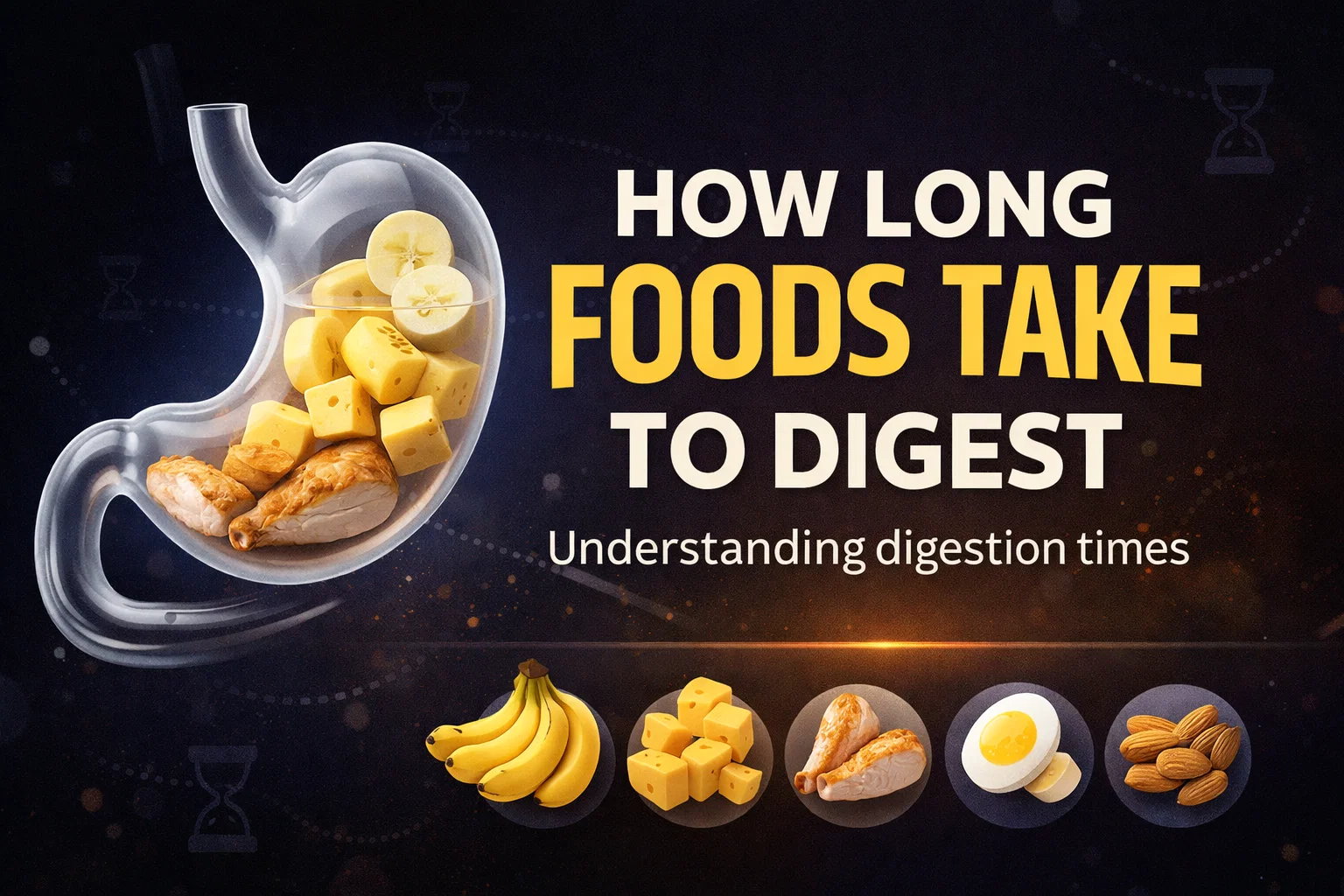
Before we dive into the specific timing of your favorite snacks, it is important to understand what is happening inside that translucent organ shown in the chart. Digestion is not a one-size-fits-all process. It begins the moment you smell food, triggering saliva production, but the heavy lifting happens in the stomach and small intestine. The stomach acts as a biological blender, using hydrochloric acid and enzymes to turn solid food into a liquid paste called chyme. Depending on the macronutrient profile of your meal, this process can be a quick sprint or a long-distance marathon.
Shutterstock
The Role of Enzymes and Gastric Emptying
Gastric emptying is the technical term for how fast food leaves your stomach and enters the small intestine. High-fiber foods and simple sugars move through the gates relatively quickly because they require less mechanical breakdown. In contrast, fats and proteins trigger the release of specific hormones that tell the stomach to slow down. This is actually a survival mechanism; your body wants to ensure it absorbs every possible calorie and nutrient from those dense energy sources. When you understand these windows, you can start “timing” your meals to match your daily activity levels.
Fast Fuel: Fruits and Simple Carbohydrates
If you are looking for an immediate boost, nature has provided the perfect fast-acting fuel. As seen in our visualization, fruits like bananas and apples are at the top of the efficiency list. Because they are primarily composed of water and simple sugars, the body can process them with minimal effort.
- Bananas (30 Minutes): The ultimate pre-workout snack. High in potassium and easy on the gut, a banana is practically ready for absorption by the time you finish your warm-up.
- Apples (40 Minutes): While they contain more fiber (pectin) than a banana, they still move through the gastric system rapidly, making them an excellent mid-morning pick-me-up.
- White Rice (1 Hour): This is a refined carbohydrate. Because the husk and bran have been removed, your enzymes can slash through the starch in record time. This is why white rice is a staple for athletes who need to refuel quickly between training sessions.
The Satiety Zone: Healthy Fats and Fiber
Moving down the chart, we enter the two-to-three-hour mark. This is what nutritionists often call the “satiety zone.” These foods do not just provide energy; they provide a feeling of fullness that prevents the dreaded blood sugar crash. If you find yourself constantly hungry, you might be lacking foods from this category.
Avocados: The 2-Hour Powerhouse
Avocados are unique because they combine fiber with monounsaturated fats. This combination creates a “slow-release” effect. While the fruit base keeps things moving, the fat content signals your brain that you are satisfied. Incorporating avocado into your breakfast can easily carry you through to a late lunch without the need for sugary snacks.
Eggs and Almonds: The Building Blocks
Eggs take about 2.5 hours to digest. They are considered the “gold standard” of protein because of their high bioavailability, but the fats in the yolk require a bit more enzymatic work than a piece of fruit. Almonds, coming in at 3 hours, are even more complex. Their rigid cellular structure and high fiber content mean your stomach has to work harder to grind them down, providing a very slow and steady release of amino acids and minerals into your bloodstream.
The Long Burn: Dense Proteins and Dairy
At the bottom of our chart, we find the heavy hitters. Steak, chicken, and cheese represent the longest digestive commitments your body will make. These foods are dense in structural proteins and complex fats, requiring a significant amount of energy just to process. This is often why a large meat-heavy meal leads to the “food coma” sensation; your body is redirecting blood flow to the digestive system to handle the workload.
- Chicken and Steak (3.5 Hours): Animal proteins are held together by tough connective tissues. Even after you chew, your stomach acid must spend hours breaking those fibers down into individual amino acids.
- Cheese (4.5 Hours): Surprisingly, cheese takes the longest on our list. The combination of high fat, protein (casein), and lactose creates a very slow-moving mass. Casein specifically is known for forming a “gel” in the stomach, which is why many bodybuilders eat cottage cheese before bed to provide a slow drip of protein throughout the night.
Why Digestion Timing Matters for Your Lifestyle
You might be wondering how to apply this data to your actual life. It is not just about trivia; it is about strategic eating. By aligning your food choices with your schedule, you can optimize your productivity and physical performance. For example, eating a steak thirty minutes before a high-intensity workout is a recipe for a stomach ache because your body cannot digest it fast enough to use the energy. Conversely, eating only a banana for dinner might leave you waking up hungry in the middle of the night.
Meal Sequencing for Better Gut Health
Many holistic health practitioners suggest “sequencing” your meals based on these times. Starting a meal with the fastest-digesting foods (like a salad or fruit) and ending with the slowest (like protein) can help prevent the “traffic jam” effect in your gut. When slow-digesting foods are stuck behind fast-digesting ones, it can lead to fermentation, gas, and bloating. Following the natural order of the chart can lead to a much flatter stomach and a happier digestive tract.
Factors That Can Change Your Digestion Speed
While the chart gives us a great baseline, it is important to remember that everyone is different. Your biological “transit time” can be influenced by several lifestyle factors. If you want to speed up a sluggish system or slow down a hyperactive one, consider these variables:
Hydration Levels
Water is the primary solvent in your body. Without enough of it, the stomach struggle to turn food into chyme. Drinking water throughout the day ensures that high-fiber foods move smoothly through the intestines rather than getting stuck and causing discomfort.
Preparation and Cooking Methods
How you prepare your food changes its molecular structure. A raw carrot takes longer to digest than a steamed one because heat begins the process of breaking down cell walls. Similarly, a smoothie made of bananas and spinach will digest faster than the whole fruits because the blender has already performed the “mechanical digestion” for you.
Metabolic Health and Age
As we age, our production of stomach acid and digestive enzymes naturally slows down. This means that the 3.5 hours it takes to digest a steak at age 20 might turn into 5 hours at age 60. Staying active and incorporating probiotic-rich foods can help keep your metabolic fire burning bright regardless of your age.
Practical Tips for a Balanced Plate
So, how do we put this all together? The goal is not to eat only fast-digesting foods or only slow-digesting ones. The goal is balance. A perfect meal usually includes a “fast” component for immediate energy, a “medium” component for satiety, and a “slow” component for long-term recovery. Think of a bowl of white rice (fast) topped with avocado (medium) and grilled chicken (slow). This creates a sustained energy curve that keeps you fueled for hours without a crash.
Listen to Your Body
The most important tool you have is your own intuition. Pay attention to how you feel after eating certain combinations. If you feel heavy and sluggish after lunch, try swapping a slow protein for a faster one, like fish or eggs. If you are hungry an hour after breakfast, add some healthy fats like almonds or seeds to extend your digestion window.
Conclusion: Mastering Your Internal Clock
Your digestive system is an incredible roadmap to your health. By understanding the timelines of common foods like bananas, avocados, and steak, you gain the power to control your energy levels and your comfort. No longer do you have to guess why you feel the way you do after a meal. Instead, you can use this chart as a guide to fuel your body with intention. Whether you are an athlete looking for a performance edge or simply someone who wants to feel better in their own skin, mastering your internal clock is a journey worth taking. Start paying attention to the clock after your next meal, and you might be surprised at how much you can learn about yourself. Happy eating!
Would you like me to create a 7-day meal plan based on these digestion times or perhaps write a guide on the best probiotic foods to speed up a slow metabolism?