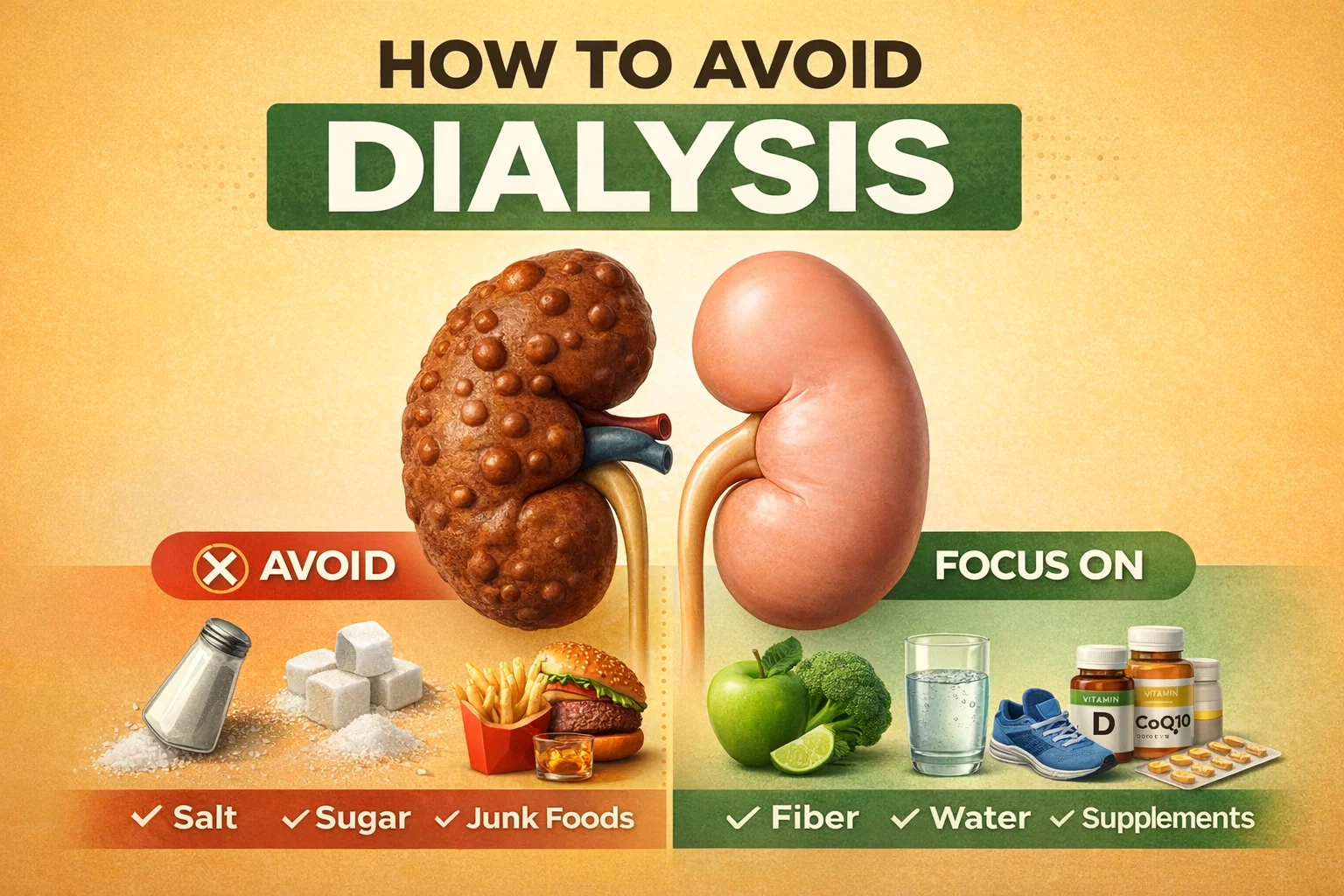
How to Avoid Dialysis Naturally Best Kidney Health Diet and Lifestyle Tips for Detox
Maintaining healthy kidneys is one of the most important things you can do for your overall longevity and well-being. Often referred to as the body’s natural filtration system, these two bean-shaped organs work tirelessly to remove waste, balance fluids, and regulate blood pressure. However, in our modern world of processed foods and high-stress environments, our kidneys are under more pressure than ever before. If you have been searching for ways to support your renal health and avoid the path toward dialysis, you are in the right place. This guide dives deep into the dietary shifts, lifestyle habits, and natural supplements that can help keep your kidneys functioning at their peak.
The Critical Role of Kidney Health in Your Daily Life
Most of us do not think about our kidneys until something goes wrong. These organs are responsible for filtering about 120 to 150 quarts of blood every single day to produce 1 to 2 quarts of urine. Beyond filtration, they produce hormones that manage red blood cell production and maintain bone health. When kidney function declines, toxins build up in the blood, leading to fatigue, swelling, and chronic illness. Understanding how to protect them is not just about avoiding a medical procedure; it is about reclaiming your energy and protecting your heart and vascular system.
Foods and Habits to Avoid for Better Renal Function
To protect your kidneys, the first step is often subtraction rather than addition. Certain substances put an immense strain on the delicate nephrons within the kidney structure. By reducing these items, you give your body a chance to heal and reduce the inflammation that leads to scarring and reduced function.
The Danger of Hidden Salts and Sugars
Salt is perhaps the most well-known enemy of kidney health. High sodium intake increases blood pressure, which in turn damages the small blood vessels in the kidneys over time. It is not just the salt shaker on your table that is the problem; most sodium comes from packaged and restaurant foods. Similarly, high sugar intake leads to insulin resistance and diabetes, which is the leading cause of kidney failure worldwide. Managing your glycemic index is essential for long-term renal protection.
Rethinking Protein and Dairy Intake
While protein is a vital building block for the body, an excessive amount of animal protein can be hard on the kidneys. Processing protein creates urea, a waste product that the kidneys must filter out. For those with existing kidney concerns, switching to more plant-based protein sources or simply moderating intake can provide significant relief. Furthermore, cheese and high-fat dairy are often high in phosphorus and saturated fats, both of which can contribute to kidney stones and vascular issues when consumed in excess.
The Impact of Lifestyle Stress and Sedentary Behavior
Physical health is deeply tied to our daily movement and mental state. Sitting for too long has been linked to an increased risk of chronic kidney disease, likely due to its impact on glucose metabolism and blood pressure. Stress, too, plays a silent role. When we are chronically stressed, our bodies produce cortisol and adrenaline, which keep blood pressure elevated. Finding ways to decompress and move your body throughout the day is a foundational part of any kidney-friendly protocol.
Shutterstock
Explore
Healing Foods to Support and Protect Your Kidneys
The good news is that the kitchen is your best pharmacy. Many natural, whole foods contain compounds that actively support detoxification and reduce the workload on your renal system. By focusing on a diet rich in antioxidants and fiber, you provide your kidneys with the tools they need to thrive.
The Power of Garlic and Red Onions
Garlic is a true powerhouse for kidney health. It has potent anti-inflammatory properties and helps to lower cholesterol and blood pressure. It also acts as a natural diuretic, helping the body flush out excess sodium. Red onions are equally beneficial; they are low in potassium (making them safe for many kidney diets) and contain quercetin, a powerful antioxidant that protects the kidneys from cellular damage.
Hydration and Diuretic Foods
Water is the primary tool the kidneys use to flush out toxins. Staying consistently hydrated prevents the formation of kidney stones and keeps the blood flowing easily through the filtration units. Additionally, incorporating diuretic foods like celery, cucumber, and parsley can naturally assist the body in maintaining fluid balance without the side effects of pharmaceutical diuretics.
Fiber, Fruits, and Probiotics
High-fiber foods like apples, berries, and leafy greens help regulate blood sugar and improve digestive health. Interestingly, the health of your gut is directly linked to the health of your kidneys. This is known as the gut-kidney axis. By consuming probiotics and fermented foods, you encourage a healthy microbiome that can actually help break down certain toxins before they even reach the kidneys, effectively reducing the organ’s total workload.
Supplements and Natural Compounds for Renal Support
In addition to a solid dietary foundation, certain vitamins and supplements have shown great promise in supporting kidney tissue and improving filtration rates. These should always be discussed with a healthcare provider, but their benefits are backed by significant research.
- Vitamin D3 and K2: These work together to ensure calcium is deposited in the bones rather than the arteries or the kidneys, where it could form stones or cause calcification.
- CoQ10: A powerful antioxidant that supports cellular energy and has been shown to improve kidney function markers in some studies.
- B-Complex Vitamins: Specifically B6, B12, and Folic Acid, which help manage homocysteine levels and support red blood cell health.
- Turmeric and Black Pepper: Curcumin, the active ingredient in turmeric, is a massive anti-inflammatory. When paired with black pepper for absorption, it can help reduce inflammation in the kidney tissues.
- Baking Soda: In specific clinical settings, small amounts of sodium bicarbonate are sometimes used to balance the acidity in the blood, though this should only be done under medical supervision.
Practical Steps to Transition Your Lifestyle
Moving toward a kidney-healthy life does not have to happen overnight. It is about making sustainable choices that add up over time. Start by swapping one processed snack for a piece of fruit or a handful of raw vegetables. Focus on your water intake by carrying a reusable bottle with you throughout the day. Most importantly, listen to your body. If you feel sluggish or notice swelling in your ankles, it may be a sign that your kidneys need a little extra care.
Developing a Kidney-Friendly Exercise Routine
You do not need to run marathons to support your kidneys. In fact, moderate, consistent exercise is often better. Walking, swimming, or yoga helps improve circulation and manage blood pressure without putting excessive physical stress on the body. Aim for at least 30 minutes of movement most days of the week to keep your cardiovascular and renal systems in top shape.
The Importance of Quality Sleep
Sleep is when your body goes into repair mode. Research has shown that kidney function is actually regulated by the sleep-wake cycle. During sleep, the workload on the kidneys changes, and the tissues undergo vital maintenance. Chronic sleep deprivation has been linked to a faster decline in kidney function, so prioritizing 7 to 9 hours of quality rest is a non-negotiable part of your health strategy.
Conclusion: Empowering Your Path to Wellness
Your kidneys are incredibly resilient, but they require the right environment to function correctly. By choosing to avoid processed junk, managing your stress, and flooding your body with nutrient-dense foods like garlic, turmeric, and fiber-rich fruits, you are taking a proactive stand for your health. Remember that every meal is an opportunity to support your body’s natural healing processes. Stay hydrated, stay active, and stay informed. Your kidneys do so much for you; it is time to return the favor by giving them the care and respect they deserve. Save these tips, share them with a friend, and start your journey toward a dialysis-free, vibrant life today.
Would you like me to generate a series of social media captions or a weekly meal plan based on these kidney-healthy recommendations?