How to Balance Your Sex Hormones The Ultimate Guide to Estrogen, Progesterone Testosterone
Welcome to a fascinating exploration of your body’s internal orchestra. If you’ve ever felt unexplained mood swings, persistent brain fog, sudden energy slumps, or noticed mysterious changes in your skin and cycle, you’ve likely felt the direct impact of your hormones. We often treat these symptoms in isolation, perhaps grabbing an extra coffee for fatigue or trying a new skincare product for a glow, but the truth is often much more foundational. It all boils down to your endocrine system, specifically the powerhouse trio: Estrogen, Progesterone, and Testosterone.
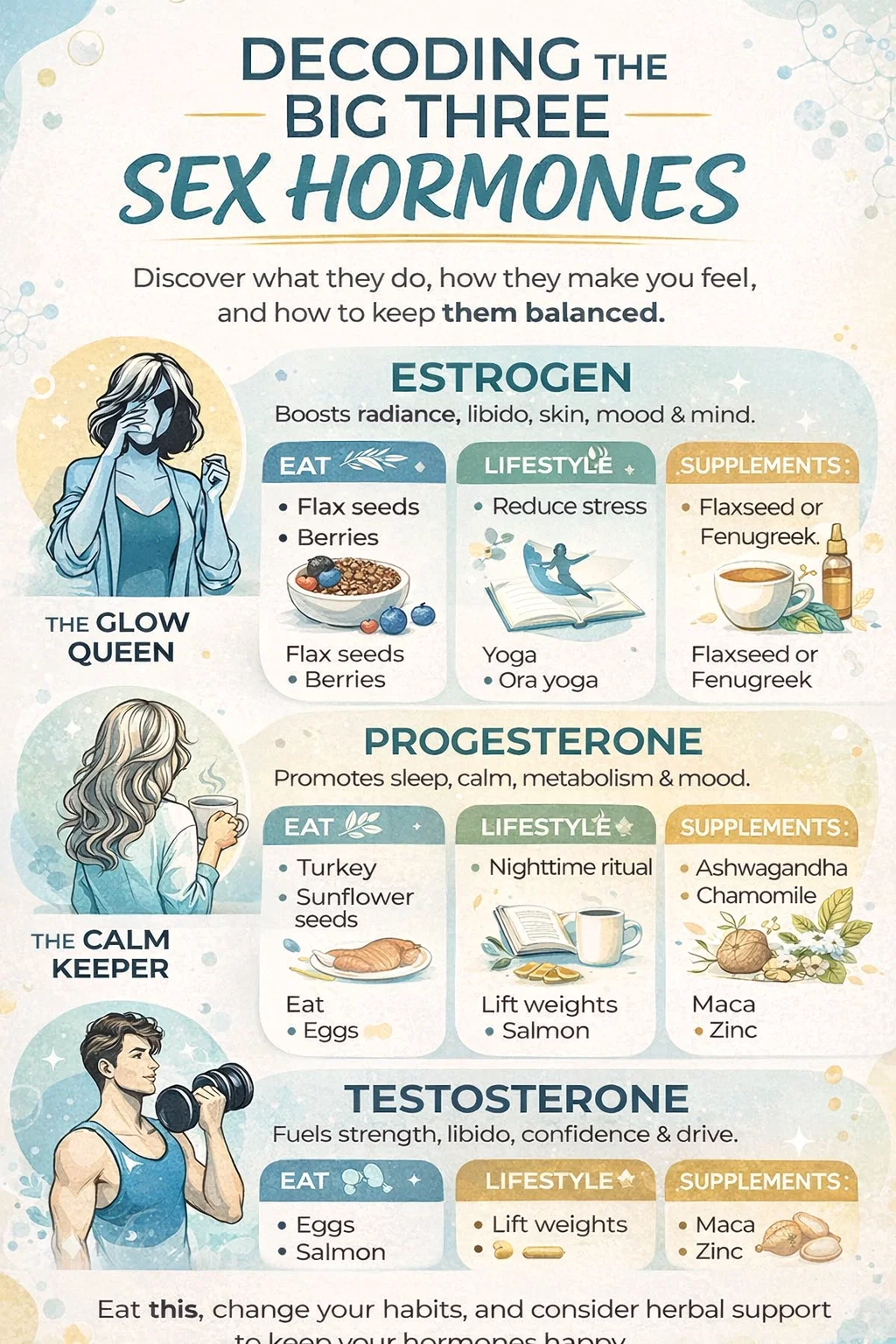
Understanding these sex hormones is not just about anatomy; it is a vital step toward unlocking your best self. The original infographic from Raman Sheily (@ramansheily1972) gives us a perfect roadmap, and today, we’re going to dive much deeper. We’ll break down exactly what each of these hormones does, how they make you feel, and, most importantly, provide actionable, holistic steps using food, lifestyle, and herbal support to bring them into perfect harmony. Let’s decode your sex hormones and move the needle on your health.
The Radiance Regulator: Unpacking the Role of Estrogen
Think of Estrogen as the architect of feminine energy and vitality. While often labeled simply as a female sex hormone, its reach goes far beyond reproductive health. When your estrogen is in balance, you feel it throughout your entire being. This hormone is essentially your inner glow queen.
The Multifaceted Impact of Estrogen
Estrogen plays a key role in several critical functions:
- Skin Health: Estrogen is a huge factor in collagen production and skin hydration, giving you that enviable, natural glow.
- Brain Power: Have you ever experienced mental clarity and sharp focus? You can thank balanced estrogen. It supports cognitive function and memory, helping you feel on top of your game.
- Mood Stability: This hormone has a profound influence on your mood. A balanced level helps you feel elevated, vibrant, and emotionally resilient.
- Libido: Estrogen is a major driver of sexual desire, impacting your libido.
- Menstrual Cycle Rhythm: From puberty to menopause, estrogen is central to regulating the ovulation and menstruation cycles. A predictable, manageable cycle is often a sign of estrogen balance.
Feeling the Balance (And the Imbalance)
When estrogen is balanced, you feel radiant, sharp, and full of life. It’s like operating on all cylinders. But when levels become too high (a condition known as estrogen dominance) or too low (common during menopause), it can feel like a storm is brewing. Symptoms can appear chaotic and fast, including intense mood swings, bloating, weight gain, irregular periods, hot flashes, and anxiety.
Actionable Steps for Estrogen Support
Let’s look at how to support your body’s production and metabolism of estrogen using the three key pillars from our guide.
EAT THIS: Foods that Balance Estrogen
- Flax Seeds: These are powerful, plant-based sources of lignans, a type of phytoestrogen that can help modulate estrogen levels.
- Berries and Citrus: Packed with vitamin C and antioxidants, these fruits support healthy estrogen metabolism and protect your body from oxidative stress.
- Cruciferous Vegetables: Broccoli, cauliflower, kale, and Brussels sprouts are your best friends for estrogen detoxification. They contain compounds that support the liver in breaking down estrogen efficiently.
- Lentils: As a great source of fiber and phytoestrogens, lentils help keep your digestion moving and your hormones in check.
- Pumpkin Seeds: Rich in zinc and magnesium, both of which are critical for hormone synthesis and balance.
- Tempeh: A fermented soy product, tempeh is another source of phytoestrogens and a fantastic plant-based protein.
LIFESTYLE: Habits for Estrogen Health
- Prioritize Fiber: Ensuring you eat enough fiber is not just about digestive health; it’s essential for carrying metabolized estrogen out of the body and preventing reabsorption.
- Move Daily: Regular exercise and sweat support detoxification and improve circulation.
- Support Your Liver: As the primary organ for hormone detoxification, your liver needs love. This means staying hydrated and considering liver-supporting supplements.
- Move After Meals: Light activity after eating can improve digestion and manage insulin, which has a ripple effect on your sex hormones.
- Reduce Alcohol: Alcohol can strain the liver and interfere with the metabolism of estrogen, potentially leading to imbalances.
- Address the Gut: The gut microbiome plays a huge role in regulating estrogen. A healthy gut is key to a healthy hormonal profile.
HERBAL SUPPORT: Nature’s Estrogen Boost
- Milk Thistle: Known as a potent liver protector, Milk Thistle supports the detoxification pathway for estrogen.
- Rosemary: Contains antioxidant and anti-inflammatory properties and may help support the liver’s role in hormone metabolism.
- Green Tea (EGCG): The powerful compounds in green tea are known to support estrogen metabolism.
- Black Cohosh: A widely used herbal remedy for reducing symptoms associated with menopause and supporting healthy estrogen activity.
- Red Clover: Contains isoflavones, another form of phytoestrogen, and is often used to ease symptoms of low estrogen.
- Chasteberry: This powerful herb is excellent for regulating the pituitary gland, the conductor of your entire endocrine orchestra.
The Grounding Force: Unpacking the Role of Progesterone
If estrogen is the vibrant glow, progesterone is the calm and grounding force. Known affectionately as your calm keeper, progesterone is essential for making you feel steady, centered, and resilient. Its role is often misunderstood, with many only associating it with pregnancy, but its influence is truly widespread.
The Protective and Calming Properties of Progesterone
Progesterone wears many hats when it comes to your health:
- Nervous System Grounding: Its primary role is to act as a calming agent for your nervous system, promoting a sense of ease and relaxation.
- Mood Stabilization: When progesterone is optimal, it stabilizes your mood, helping to keep stress and anxiety at bay.
- Sleep Aid: Do you find yourself unable to fall or stay asleep? Progesterone has a sedative-like effect that helps you drift off and enjoy restorative, deep sleep.
- Metabolic Support: While estrogen gets all the attention for weight, progesterone supports metabolic health and can help balance the effects of estrogen.
- PMS Relief: When she is on your side, progesterone helps to soothe the symptoms that typically arrive with premenstrual syndrome, making that time of the month much quieter.
Feeling the Stability (And the Shortage)
Optimal progesterone levels create a feeling of being grounded, calm, and emotionally steady. In contrast, when progesterone is low, it’s not just a physical shift, it’s a mental and emotional one too. Low progesterone is often a major factor in experiencing severe PMS, mood swings, difficulty sleeping, and feeling overwhelmed by anxiety or irritability.
Actionable Steps for Progesterone Support
Now, let’s look at practical steps to ensure you have enough of this calming hormone.
EAT THIS: Foods that Encourage Progesterone Production
- Wild Salmon: Rich in omega-3 fatty acids, which are crucial for hormone production and reducing inflammation.
- Turkey: A great source of protein and the amino acid tryptophan, a precursor to serotonin, which aids in sleep and mood balance.
- Sunflower Seeds: These seeds are particularly rich in vitamin E, a key vitamin that supports progesterone production and reduces inflammation.
- Chia Seeds: Packed with omega-3s, protein, and fiber, they are a fantastic addition to support your entire endocrine system.
- Leafy Greens: These provide magnesium and a host of other essential micronutrients needed for hormonal synthesis and cellular function.
- Dark Chocolate: High-quality dark chocolate is rich in magnesium and antioxidants, helping you feel satisfied and relaxed.
LIFESTYLE: Practices for a Progesterone-Friendly Environment
- Stop Overtraining: While movement is important, excessive, high-intensity exercise can spike cortisol levels, which directly competes with progesterone.
- Establish a Nighttime Ritual: A consistent wind-down routine signals to your body that it’s time to produce the sleep hormone melatonin and allows your nervous system to relax.
- Maintain a Consistent Bedtime: Your body thrives on routine. Going to bed and waking up around the same time helps regulate your circadian rhythm and hormone production.
- Balance Blood Sugar: Spikes and crashes in blood sugar can create stress in the body and disrupt hormone levels. Aim for balanced meals with protein, healthy fats, and fiber.
- Reduce Caffeine: While enjoyable, excessive caffeine can increase stress hormones and disturb sleep, which is counterproductive for progesterone balance.
- Practice Yoga and Meditation: These grounding practices activate your parasympathetic nervous system (the “rest and digest” mode), which is exactly where progesterone loves to hang out.
HERBAL SUPPORT: Enhancing Your Natural Calm
- Chasteberry: This powerful herb is again mentioned because of its remarkable ability to support the luteal phase of your cycle, a key time for progesterone production.
- Lemon Balm: Known for its soothing properties, lemon balm is perfect for reducing anxiety and supporting better sleep.
- Passionflower: Another wonderful botanical for calming a stressed mind and improving overall sleep quality.
- Ashwagandha: As an adaptogen, it helps your body manage and adapt to stress, indirectly protecting progesterone levels.
- Rhodiola: This adaptogenic herb helps boost energy and mood while decreasing fatigue, making it useful for combating the low-energy symptoms often seen with progesterone imbalance.
- Chamomile: A classic for relaxation, a warm cup of chamomile tea can be part of that essential nighttime ritual.
The Vitality Catalyst: Unpacking the Role of Testosterone
Finally, we have Testosterone, a hormone that often surprises women when they realize how critical it is for their health. Far from just a “male” hormone, testosterone is an essential component of female vitality and is responsible for your inner fire.
The Impact of Testosterone on Strength and Stamina
Here’s how testosterone fuels your well-being:
- Strength and Grit: It is a major driver of muscle mass, bone strength, and physical endurance. It gives you the power to tackle demanding tasks and push your body physically.
- Confidence and Assertiveness: Testosterone is a confidence-boosting hormone. It helps you feel sure of yourself and gives you the resilience to face challenges head-on.
- Drive and Follow-Through: Feeling unmotivated? Healthy testosterone levels promote that ability to start projects and follow through with them, providing both mental and physical drive.
- Sexual Function: Along with estrogen, testosterone is essential for a healthy libido and sexual response.
- Metabolic Boost: Higher muscle mass, which testosterone supports, leads to a faster resting metabolism.
Feeling the Drive (And the Decline)
When testosterone is dialed in, you feel unstoppable. There is a tangible sense of strength, energy, and mental clarity. It’s that feeling of being capable and ready for anything. On the other hand, low testosterone is often overlooked but can have a devastating impact on how you feel. It is frequently the culprit behind unexplained fatigue, brain fog, difficulty building or maintaining muscle, low libido, and a flat, sluggish sensation where you just can’t seem to get your drive back.
Actionable Steps for Testosterone Support
Let’s find practical ways to stoke your inner fire through nutrition and lifestyle.
EAT THIS: Foods that Stoke the Fire
- Eggs: An excellent source of protein and fats, which are the building blocks of hormones.
- Grass-Fed Beef: Provides high-quality protein and essential nutrients like zinc, a key player in testosterone production.
- Oysters: Arguably one of the best sources of zinc, oysters are a potent food for hormone balance.
- Salmon and Sardines: Provide critical omega-3 fatty acids for reducing inflammation and supporting overall hormone synthesis.
- Avocado: Loaded with healthy monounsaturated fats and potassium, which support hormone health and fluid balance.
- Sweet Potatoes: This complex carbohydrate helps fuel your activity and provides sustained energy without causing major blood sugar spikes.
LIFESTYLE: Habits to Build Drive
- Lift Heavy: Resistance training is the #1 lifestyle practice for boosting testosterone. Lifting challenging weights encourages muscle growth and natural testosterone production.
- Walk After Meals: Supports healthy digestion, balances blood sugar, and helps maintain a healthy weight.
- Include Protein with All Meals: Ensuring consistent protein intake is essential for repairing muscles and providing the amino acids your body needs for hormone production.
- Get Deep Sleep: Sleep is non-negotiable for hormone health. Aim for 7 to 9 hours of quality sleep to allow your body to repair, recover, and naturally produce testosterone.
- Beat Inflammation: Chronic inflammation is a major hormone disruptor. Eating an anti-inflammatory diet and using anti-inflammatory herbs can have a profound impact.
- Reduce Stress: Cortisol and testosterone are frequently on opposite ends of a seesaw. High stress (high cortisol) can significantly suppress testosterone production.
HERBAL SUPPORT: Botanicals for Vitality and Libido
- Ashwagandha: Mentioned here as well due to its powerful adaptogenic ability to reduce stress, thereby protecting natural testosterone levels.
- Tongkat Ali: A classic herb for supporting healthy testosterone levels and enhancing both male and female vitality and libido.
- Fenugreek: Known to potentially support sexual function, reduce body fat, and possibly elevate testosterone levels.
- Ginger: A powerful, anti-inflammatory, and circulation-boosting spice that can improve overall hormone health.
- Tribulus: While the direct effect on testosterone is sometimes debated, this herb has a long history of use for improving athletic performance and boosting libido.
- Maca: This potent root is well-regarded for its ability to balance hormones, improve mood, and increase energy and libido without directly acting as a hormone.
Conclusion: Putting Your Knowledge into Practice
Understanding and balancing your sex hormones is not a luxury; it’s a prerequisite for living your most vibrant life. We have journeyed from the radiance-regulating role of estrogen to the grounding force of progesterone and finally to the fire-starting vitality of testosterone. The roadmap provided by this guide from @ramansheily1972 is invaluable because it empowers you with practical, simple, yet deeply effective steps.
Your journey to hormonal harmony doesn’t have to be a complicated or daunting task. The secret is simply to listen to your body and give it the tools it is asking for. Instead of looking for a quick fix, embrace this holistic approach. Start by making one or two small adjustments to your nutrition, integrating a new lifestyle practice, or introducing an herbal ally. Be consistent, have patience, and remember that real change takes time. The result will be a body that is not just functioning but thriving. You can regain your radiance, rediscover your calm, and reconnect with your inner fire. It is time to step into your full potential and experience what it truly means to be well.