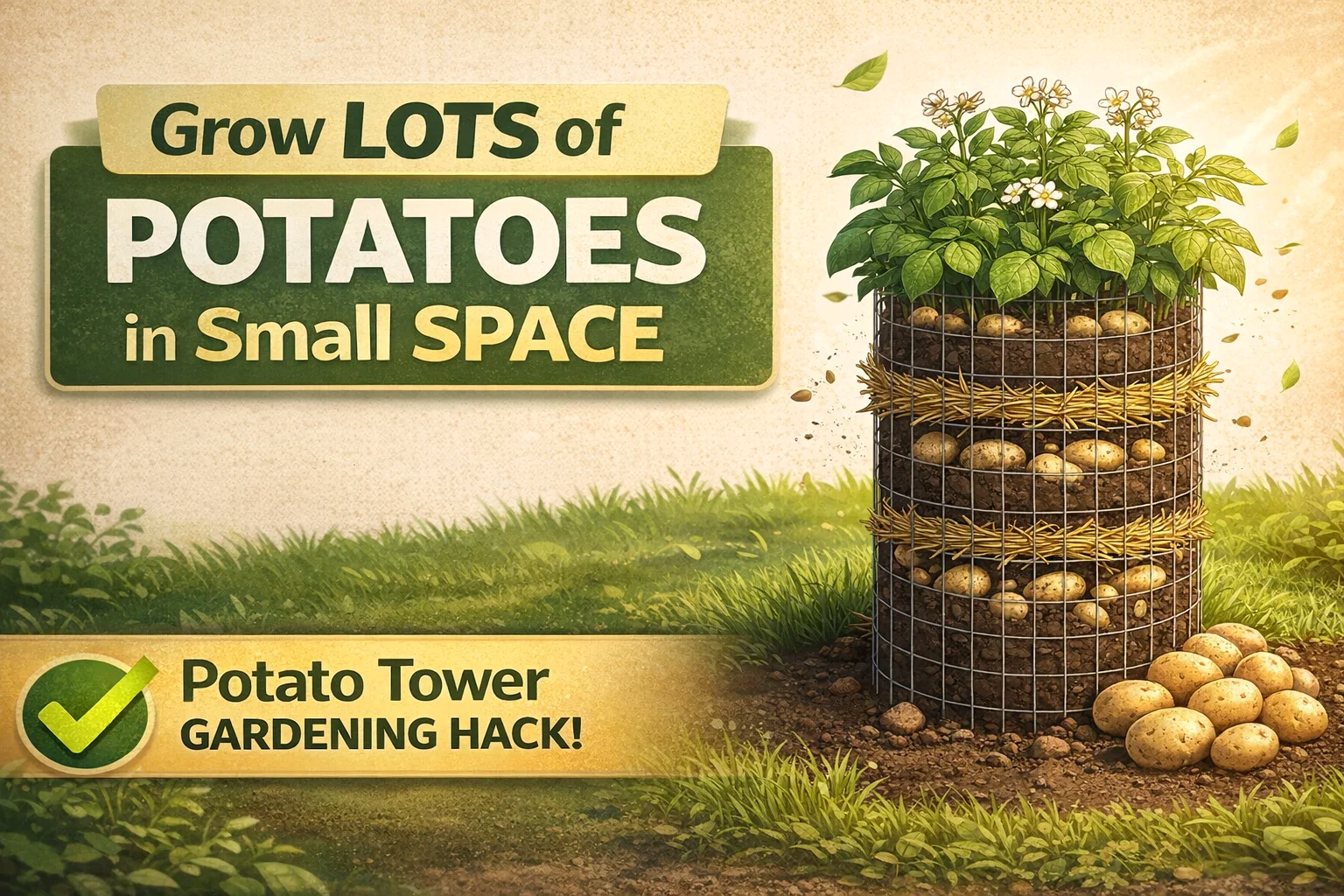
How to Build a Potato Tower Grow More Potatoes in Less Space Vertical Gardening Guide
Growing your own food is one of the most rewarding experiences a gardener can have, but traditional potato patches often require a significant amount of horizontal space and back-breaking labor during the harvest. If you have a small backyard or even just a patio, you might have felt that growing a substantial crop of spuds was out of reach. Enter the potato tower: a brilliant vertical gardening solution that flips the traditional method on its head. By growing upward rather than outward, you can maximize your yield while minimizing the footprint of your garden. This method is a game changer for urban homesteaders and anyone looking to work smarter, not harder, in the garden.
The Magic of Vertical Potato Gardening
The concept of a potato tower is rooted in the biological nature of the potato plant itself. Most potato varieties grow tubers along the underground portion of their stems. In a traditional garden, you “hill” the plants by piling soil around the base as they grow taller. A potato tower simply takes this hilling process to the extreme. By contained the plant within a vertical structure and continuously adding growth medium as the green foliage climbs, you encourage the plant to produce multiple layers of potatoes throughout the entire height of the cage.
This approach transforms a few square feet of ground into a high-production zone. Instead of a single layer of potatoes buried in the earth, you end up with a vertical column of delicious tubers. The best part is that because the potatoes are grown in a loose mix of soil and straw above the ground level, the harvest becomes a simple matter of undoing the cage rather than digging deep into compacted dirt.
Materials You Will Need to Get Started
Building a potato tower is an affordable project that uses basic materials found at most hardware or garden stores. You do not need expensive specialized equipment to see great results. Here is what you should gather before you start building:
- Wire Fencing or Mesh: A sturdy galvanized hardware cloth or poultry netting works best. Aim for a height of about 3 to 4 feet.
- Support Stakes: Rebar or wooden garden stakes will help keep the tower upright and stable against wind and the weight of the soil.
- Seed Potatoes: Choose a variety known for “indeterminate” growth, as these are the ones that continue to produce tubers along the stem as it grows upward.
- Clean Straw or Hay: This acts as a liner to keep the soil inside the mesh and provides a loose, airy environment for the potatoes to expand.
- High-Quality Garden Soil and Compost: A 50/50 mix of nutrient-rich compost and loose topsoil will provide the energy your plants need.
Selecting the Right Potato Varieties
Not all potatoes are created equal when it comes to tower gardening. To get the most out of your vertical setup, you want to look for indeterminate varieties. Early-season or determinate potatoes tend to grow all their tubers in one single layer at the base, which defeats the purpose of building a tall tower. Varieties like Russet Burbank, German Butterball, or any late-season specialty potato are typically excellent candidates for stacking because they will keep producing as you add more layers of soil.
Step-by-Step Guide to Building Your Tower
Setting up the tower correctly from day one is the key to a successful harvest. Follow these steps to ensure your structure is stable and your plants have the best start possible.
Step 1: The Base Setup
Find a spot in your garden that receives at least six to eight hours of direct sunlight. Form your wire mesh into a cylinder approximately 2 feet in diameter and secure the ends with wire ties. Place it on the ground and drive your support stakes into the earth around the perimeter to lock it in place. At the very bottom, add about 4 to 6 inches of your soil and compost mix. This is your foundation. Place your seed potatoes on this layer, spacing them about 6 inches apart, with the “eyes” or sprouts pointing upward.
Step 2: The Straw Liner
As you add soil, you will need to line the inside of the wire mesh with a thick layer of straw. This acts like a wall that prevents the soil from spilling out of the holes in the mesh. It also helps with drainage and aeration, ensuring the roots do not sit in stagnant water, which can lead to rot. Think of the straw as a nest that holds the life-giving soil in place.
Step 3: Layering for Success
Cover your first batch of seed potatoes with another few inches of soil. As the green shoots begin to emerge and reach about 6 to 8 inches in height, it is time to add the next layer. Repeat the process: add a ring of straw around the edge, add more soil, and gently pull the green leaves upward so they stay above the new soil level. You can even add a few more seed potatoes in these higher layers to increase the density of your harvest.
Maintaining Your Potato Tower Throughout the Season
Once your tower is built, the hard work is mostly over, but consistent maintenance is vital to ensure those tubers grow large and healthy. Because the tower is elevated and surrounded by breathable straw, it will dry out faster than a traditional garden bed.
Watering Requirements
Watering is the most important part of tower maintenance. You want the soil to remain consistently moist but not soggy. During the heat of summer, you may need to water your tower every day. A good trick is to poke your finger through the straw into the soil; if it feels dry an inch down, it is time to give it a soak. Using a soaker hose wrapped around the tower or a perforated PVC pipe placed down the center during construction can help get water to the middle of the structure where it is needed most.
Fertilizing for a Massive Yield
Potatoes are heavy feeders. Since they are growing in a confined space, they can quickly deplete the nutrients in the soil. Every two weeks, consider using a liquid seaweed fertilizer or a compost tea. Avoid fertilizers that are too high in nitrogen, as these will give you beautiful green leaves but very small potatoes. Look for a balanced mix that supports root and tuber development.
Troubleshooting Common Issues
Even with the best planning, nature can throw a few curveballs. Here is how to handle the most common problems in a vertical potato garden:
- Pests: Keep an eye out for the Colorado Potato Beetle. Their bright orange eggs are easy to spot on the underside of leaves. Hand-picking them is usually enough for a few towers.
- Blight: Ensure good airflow around your towers to prevent fungal issues. If you notice dark, water-soaked spots on the leaves, remove the affected foliage immediately.
- Slumping: If the tower begins to lean, add extra stakes. The weight of wet soil and growing potatoes can be significant, so a sturdy frame is essential.
The Big Reveal: Harvesting Without the Shovel
The most satisfying part of the potato tower method is the harvest. In a traditional garden, you have to carefully dig around the plants, often accidentally slicing through the very potatoes you are trying to save. With a tower, the process is much more civilized.
Wait until the vines have turned yellow and died back in the late summer or fall. This is the signal that the plants have finished their growth cycle and the potato skins have toughened up for storage. To harvest, simply clip the wire ties on your mesh cage or lift the entire cylinder upward. The column of soil and straw will crumble away, revealing layers of clean, easy-to-grab potatoes. It feels like an archaeological dig where every discovery is edible!
Why This Method is Perfect for Modern Gardeners
In an era where we are looking for more sustainable and efficient ways to live, the potato tower stands out as a brilliant example of functional design. It respects the limited space many of us have while providing a high-output food source. Furthermore, it is a great educational project for children, as they can clearly see the progression of the layers and the excitement of the final “reveal” at the end of the season.
Beyond the yield, the health of the potatoes is often better in a tower. Because they are not buried deep in the ground, they are less susceptible to soil-borne pests and diseases that thrive in compacted, poorly drained earth. The loose straw and compost mix allows the tubers to grow into perfect shapes without having to fight against rocks or hard clay.
Wrapping Up Your Vertical Journey
Building a potato tower is more than just a gardening hack; it is a way to reconnect with your food source regardless of how much land you own. Whether you are a seasoned gardener looking to save your back or a beginner with a small sunny balcony, this method offers a clear path to success. By following the simple steps of layering soil, straw, and seed potatoes, you can turn a small investment into a winter’s worth of hearty, organic meals.
Now is the perfect time to start planning your garden layout. Grab some wire mesh, find your favorite potato variety, and get ready to watch your harvest reach new heights. There is nothing quite like the taste of a potato that you grew yourself, especially when it was grown with such an ingenious and efficient system.
Would you like me to help you create a specific planting schedule based on your local climate zone?