How to Build an Underground Greenhouse for Year-Round Gardening
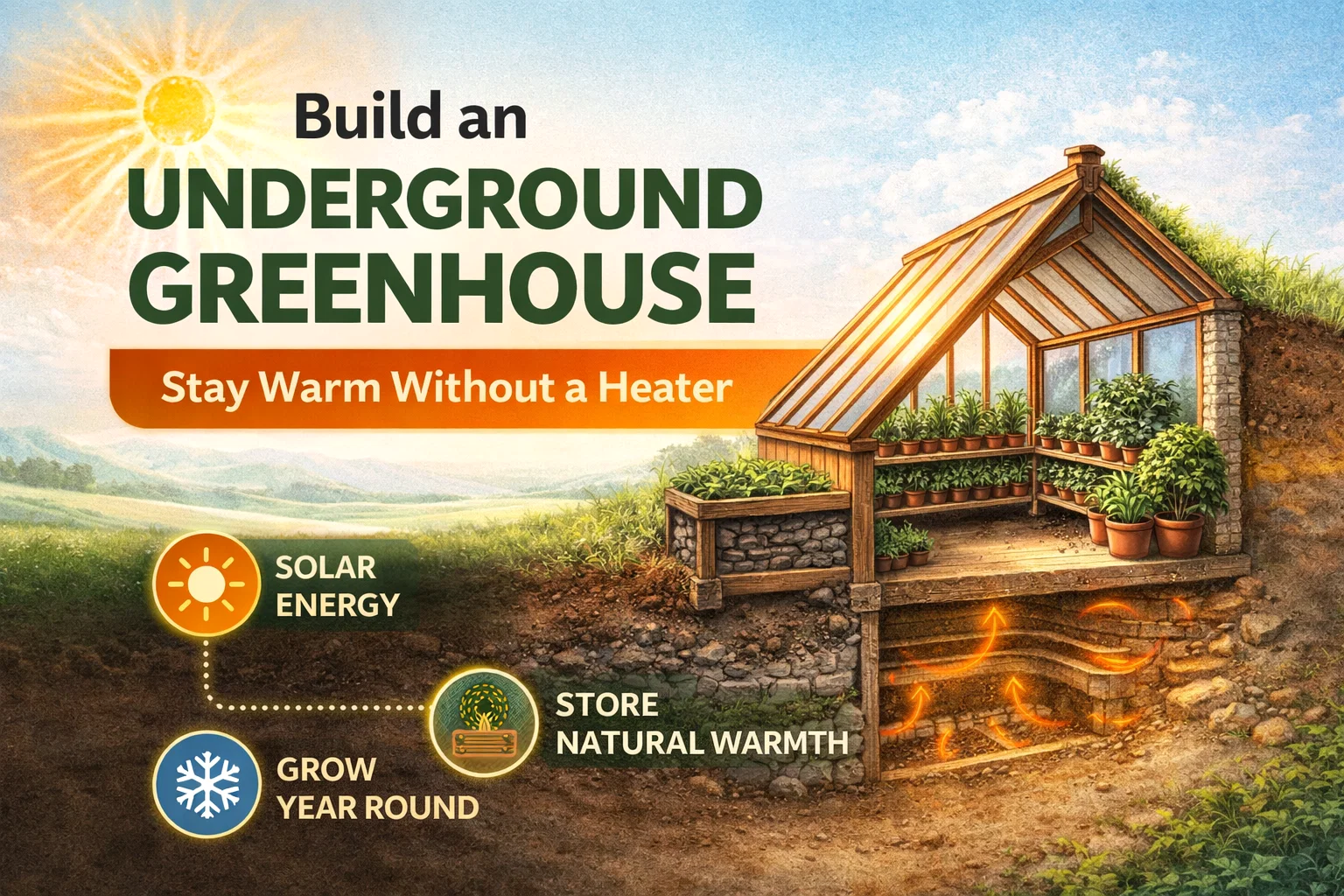
Building a garden that thrives during the coldest months of the year often feels like a dream reserved for those with expensive heating systems and massive electricity bills. However, the image of the underground greenhouse, also known as a walipini, reveals a secret that ancient civilizations and modern homesteaders have used to outsmart the seasons. By sinking the structure into the earth, you tap into a constant subterranean temperature that stays far warmer than the biting winter air. This sustainable approach to gardening allows you to harness solar energy and the natural insulation of the soil to create a tropical oasis even when there is snow on the ground.
The Magic of Thermal Mass in Underground Gardening
The core principle behind an underground greenhouse is thermal mass. In a traditional glass greenhouse, heat escapes almost as quickly as it enters because glass and plastic have very little insulating value. When you move the growing area below the frost line, you are surrounding your plants with thick walls of earth. These walls act like a massive battery, soaking up the heat during the day and slowly radiating it back into the enclosure as the sun goes down.
The stone and soil heat pit shown in the design is a critical component of this thermal battery. By layering stones at the base of the structure, you increase the surface area available to trap heat. Throughout the day, the sunlight hitting the interior floor and walls is stored within these dense materials. When night falls and the outside temperature drops, the stones begin to release that stored energy, keeping the internal environment stable and preventing the frost from reaching your delicate crops.
How the Solar Facing Roof Captures Maximum Energy
For an underground greenhouse to be successful, the angle of the roof is everything. Since the structure is mostly buried, the roof is your primary source of light and heat. A solar-facing roof, typically angled toward the south in the northern hemisphere, is designed to catch the sun at its lowest point in the winter sky. This ensures that every bit of available light penetrates deep into the growing area.
The glazing material, whether it is double-walled polycarbonate or heavy-duty glass, works to create the greenhouse effect. High-energy ultraviolet rays pass through the clear roofing and hit the interior surfaces, where they are converted into infrared heat. Because infrared heat has a longer wavelength, it cannot easily pass back through the roofing material, effectively trapping the warmth inside. This natural heating cycle is what allows the system to stay warm without a single electric heater.
Key Structural Components for a Successful Build
Designing a walipini requires more than just digging a hole in the ground. To ensure the longevity of the structure and the health of your plants, several structural elements must be carefully planned. From insulation to ventilation, every detail plays a role in maintaining a balanced ecosystem.
The Importance of the Insulated North Wall
While the south side of the greenhouse is dedicated to capturing light, the north wall is dedicated to protection. In the image, we see an insulated north wall that sits above the ground level. This wall acts as a windbreak against cold northern gusts and provides an extra layer of thermal protection. By mounding soil against this wall, a process known as earth berming, you further integrate the structure into the landscape, reducing the surface area exposed to the elements.
Ventilation and Airflow Management
It might seem counterintuitive to think about cooling a greenhouse designed to stay warm, but ventilation is vital. On a clear winter day, even an underground greenhouse can quickly overheat, reaching temperatures that might stress or kill your plants. A vent located at the highest point of the structure allows hot air to escape when necessary. This airflow also helps to manage humidity levels. Without proper ventilation, moisture can build up on the leaves, leading to fungal issues and mold that can ruin a harvest.
Optimizing the Interior for Year Round Production
Once the shell of your underground greenhouse is complete, the focus shifts to the internal layout. Maximizing space and ensuring ease of use are the keys to a productive indoor garden. The use of tiered shelving and removable growing trays allows you to take full advantage of the vertical space while keeping the center area open for maintenance.
Removable Growing Trays and Soil Aeration
The inclusion of removable growing trays is a brilliant design feature for several reasons. First, it allows for easy access to the plants. You can bring a tray up to a workbench to prune, thin, or harvest without having to bend over for long periods. Second, removable trays make it much easier to manage soil health. You can rotate crops, refresh the compost, and ensure proper soil aeration more effectively than if you were planting directly into a fixed floor bed. This flexibility is essential for preventing the buildup of soil-borne pests and diseases in a closed environment.
Strategic Plant Placement
In a subterranean environment, light levels vary depending on the depth and the angle of the sun. Deep-seated beds are perfect for root vegetables like carrots and radishes, which appreciate the consistent coolness of the lower earth. Meanwhile, higher shelves and trays should be reserved for light-loving greens, herbs, and even warm-weather crops like peppers or tomatoes that can thrive in the concentrated heat near the roof. By understanding the microclimates within your greenhouse, you can grow a diverse range of food simultaneously.
The Benefits of Living the Underground Greenhouse Life
The move toward underground gardening is more than just a trend; it is a step toward true food security. When you are no longer dependent on the local grocery store for fresh produce in January, you gain a sense of independence that is incredibly rewarding. There are several lifestyle and environmental benefits to choosing this method over traditional gardening.
- Significant Cost Savings: By eliminating the need for supplemental heating, you save hundreds of dollars each year on utility bills.
- Reduced Environmental Impact: This method relies on passive solar and geothermal energy, making it one of the most eco-friendly ways to grow food.
- Extended Growing Seasons: You can start your spring seedlings earlier and keep your fall harvest going well into the winter months.
- Resilience to Extreme Weather: Because the structure is sheltered by the earth, it is much more resistant to high winds, hail, and extreme temperature fluctuations than a standard greenhouse.
Common Challenges and How to Overcome Them
While the benefits are numerous, building an underground greenhouse does come with specific challenges. The most significant concern for any buried structure is water management. If the site is not properly drained, your greenhouse could become a swimming pool during the rainy season. It is crucial to build on a slight elevation or install a French drain system around the perimeter to divert water away from the structure.
Another factor to consider is the water table. If you live in an area with a very high water table, digging deep into the ground may not be feasible. In these cases, a semi-underground design or a heavily bermed earth-sheltered greenhouse is a better alternative. Always research your local soil conditions and drainage patterns before you start digging.
Choosing the Right Materials
The materials used for the walls must be able to withstand the pressure of the surrounding earth and the moisture within the soil. Treated wood, stone, or even earth-bags are popular choices. In the provided illustration, the use of stone not only provides structural integrity but also enhances the thermal mass properties of the build. Combining natural stone with a solid timber frame creates a beautiful, rustic aesthetic that blends perfectly into a homestead or backyard garden.
Conclusion: Cultivating a Greener Future
The underground greenhouse represents a perfect harmony between human ingenuity and the natural world. By working with the earth rather than against it, we can create productive spaces that defy the limitations of our local climate. This design proves that sustainability does not have to be complicated or expensive. It simply requires a shift in perspective and a willingness to dig a little deeper.
Whether you are a seasoned gardener looking for a new project or a beginner hoping to grow your first winter salad, the walipini model offers a path to year-round success. Harnessing the sun, storing the earth’s natural warmth, and protecting your plants from the elements will transform the way you think about gardening. It is time to stop waiting for spring and start growing the garden of your dreams today.