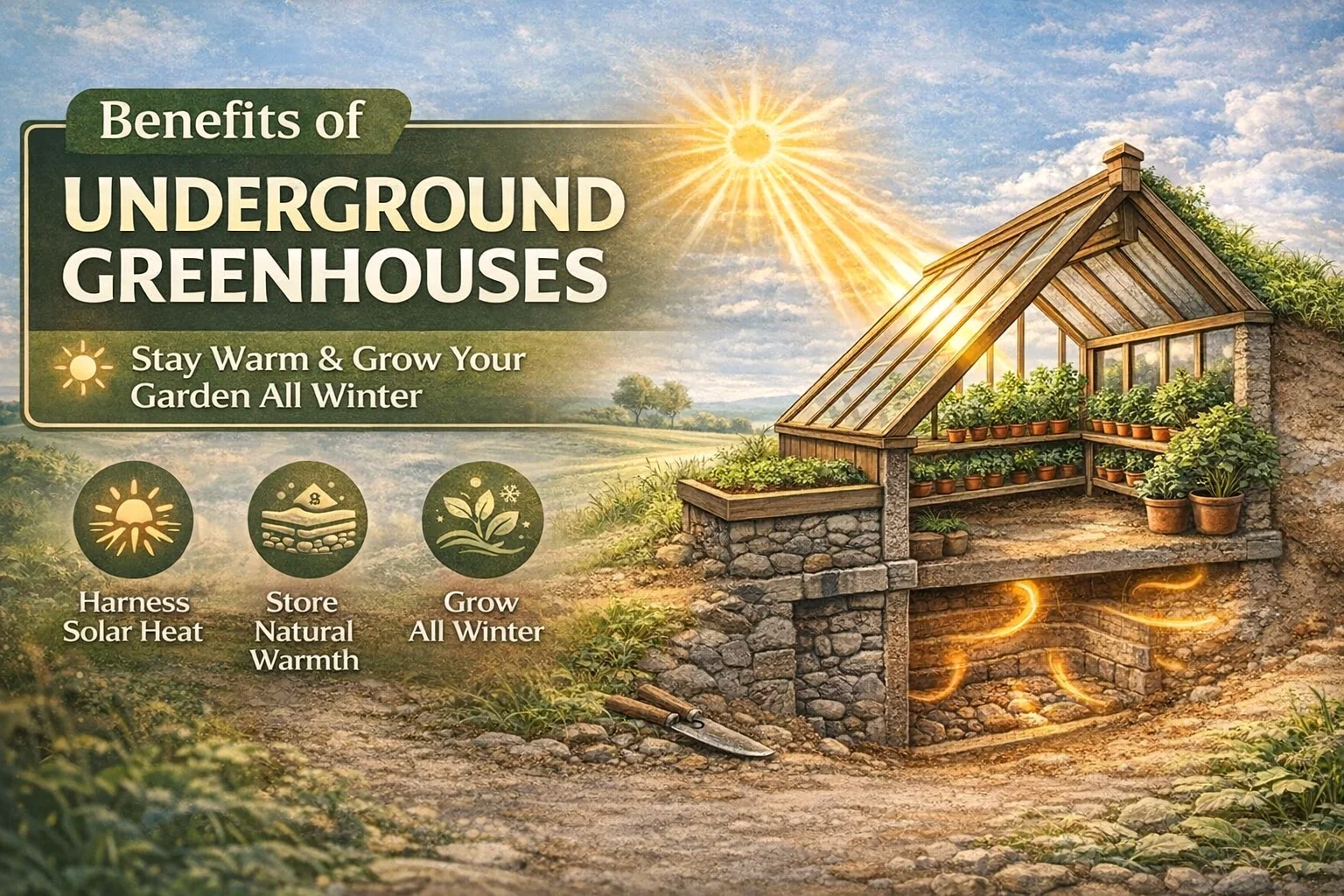
How to Build an Underground Greenhouse Year-Round Gardening with Passive Solar Heat
Imagine walking into a lush, green sanctuary filled with thriving vegetables and vibrant flowers while a snowstorm rages just outside your door. It sounds like a dream, but for those who understand the power of the earth, it is a sustainable reality. The secret lies beneath the surface in the form of an underground greenhouse. Unlike traditional glass structures that lose heat the moment the sun goes down, these ingenious designs leverage the constant temperature of the soil to create a year-round growing season without a single penny spent on electric heaters. By combining ancient wisdom with modern thermal science, you can transform your backyard into a permanent harvest zone.
The Magic of Geothermal Insulation
To understand why an underground greenhouse is so effective, we have to look at how the earth manages temperature. Once you dig a few feet below the frost line, the ground maintains a relatively consistent temperature regardless of the season. In the winter, the earth is significantly warmer than the air, and in the summer, it remains refreshingly cool. By building your greenhouse partially or fully into the ground, you are essentially wrapping your plants in a giant, natural blanket.
This concept, often referred to as a Walipini, originated in the high-altitude regions of South America. Farmers needed a way to protect their crops from harsh winds and freezing nighttime temperatures. They discovered that by excavating a pit and covering it with a transparent roof, they could trap solar radiation and prevent it from escaping back into the atmosphere. The surrounding soil acts as a thermal mass, absorbing heat during the peak daylight hours and slowly releasing it back into the structure as the outside air cools down.
How a Passive Solar Heat Pit Works
The core of a high-efficiency underground greenhouse is the heat pit located beneath the floor. This is not just a hole in the ground; it is a carefully engineered battery for thermal energy. Typically, this area is filled with layered stones, gravel, or high-density soil. As the sun streams through the solar-facing roof, the infrared radiation hits these dense materials. Because stone and earth have high thermal conductivity, they soak up that energy like a sponge.
The Diurnal Heat Cycle
The beauty of this system is the natural cycle of heat exchange. During the day, the sunlight provides more energy than the plants actually need to stay warm. Instead of letting that heat vent out and go to waste, the stone pit stores it. When the sun sets and the temperature drops, the stones begin to radiate that stored warmth upward into the growing area. This prevents the dramatic temperature swings that often kill sensitive plants in standard above-ground greenhouses.
Improving Air Circulation and Aeration
One common concern with sunken structures is stagnant air. However, a well-designed underground greenhouse utilizes natural convection. As the heat rises from the stone pit, it creates a gentle movement of air that keeps the environment fresh. Adding a simple vent at the highest point of the roof allows you to regulate the temperature on particularly hot days, ensuring that your plants never overheat while still maintaining that crucial moisture balance.
Key Design Elements for Success
Building an underground greenhouse requires more than just digging a hole. To maximize efficiency, you need to pay close attention to the orientation and materials used in the construction. A mistake in the planning phase can lead to poor light penetration or drainage issues, so getting the fundamentals right is essential.
The Solar-Facing Roof
The roof is the engine of your greenhouse. It must be angled perfectly to capture the maximum amount of sunlight during the winter months when the sun is lower in the sky. In the northern hemisphere, this means the glass or polycarbonate panels should face south. The angle should ideally be calculated based on your specific latitude to ensure that the rays hit the surface as perpendicularly as possible. This minimizes reflection and maximizes the energy entering the space.
The Insulated North Wall
While the south side is all about letting light in, the north wall is all about keeping the cold out. In an underground design, the north wall is usually built directly against the earth or heavily insulated with stone and cob. This thick barrier prevents the biting north winds from leeching heat out of the structure. Many gardeners choose to line this wall with dark stones or even water barrels to add even more thermal mass to the interior.
Removable Growing Trays and Accessibility
Functionality is just as important as thermodynamics. Using removable growing trays allows you to manage your soil health more effectively. You can easily rotate crops, aerate the soil, and move plants closer to the light source as needed. It also makes the physical act of gardening much easier on your back, as you can design the benches at a comfortable standing height while the thermal systems work quietly underneath your feet.
What Can You Grow in an Underground Greenhouse?
The possibilities are surprisingly diverse. Because the environment is so stable, you are not limited to just hardy winter greens. You can push the boundaries of your local climate and grow things that would normally require a much warmer hardiness zone.
- Leafy Greens: Spinach, kale, and various lettuces will thrive and remain crisp even in the dead of winter.
- Root Vegetables: Carrots, radishes, and beets love the cool but consistent soil temperatures provided by the earth-sheltered walls.
- Herbs: Perennial herbs like rosemary and thyme stay productive all year, while sensitive herbs like basil can survive much longer than they would outdoors.
- Warm-Season Crops: With a well-built heat pit, many gardeners find they can start tomatoes, peppers, and cucumbers weeks or even months earlier than their neighbors.
The Benefits of Sustainable Growing
Beyond the obvious advantage of fresh food, there are several reasons why this method is gaining popularity among homesteaders and urban gardeners alike. It is a holistic approach that respects the natural laws of physics and biology.
Resilience and Food Security
In an era where supply chains can be unpredictable and food prices are rising, having a self-sustaining food source is incredibly empowering. An underground greenhouse provides a level of resilience that traditional gardening cannot match. Even if there is a power outage or a sudden cold snap, your plants are protected by the literal earth beneath them. You are no longer at the mercy of the weather forecast.
Reduced Environmental Footprint
Standard greenhouses are notorious for their high energy consumption. Heating a glass box in the middle of January requires a massive amount of propane or electricity. By switching to a passive solar underground design, you eliminate that carbon footprint entirely. You are working with the sun and the earth rather than fighting against them. It is the ultimate form of “green” gardening.
Maintenance and Long-Term Care
Once your structure is built, the maintenance is remarkably low. Because the earth regulates the temperature, you don’t have to worry about complex thermostat systems or mechanical heaters breaking down. Your primary tasks will involve managing humidity and ensuring proper drainage.
Since the structure is partially underground, you must ensure that your site has good drainage to prevent water from pooling at the bottom. Installing a French drain or building on a slight slope can solve this easily. Additionally, because the space stays so well-insulated, it can become quite humid. Opening the vents for a few hours on sunny days will help keep the air moving and prevent mold or fungal issues from developing on your plants.
Step-by-Step Planning for Your Build
If you are ready to start digging, the first step is to observe your land. Look for a spot that gets at least six to eight hours of direct sunlight during the winter. Check your local building codes and make sure you know where any underground utility lines are located before you begin excavation.
Start small if you are intimidated by a full-scale build. A small cold frame that is partially recessed into the ground can give you a taste of how thermal mass works before you commit to a larger project. As you gain confidence, you can expand the design to include a walking path, permanent shelving, and a deep-layered heat pit. The investment of time and labor at the beginning pays off for decades in the form of free heat and fresh harvests.
Embracing the Future of Gardening
The underground greenhouse represents a beautiful intersection of history and innovation. It reminds us that we don’t always need high-tech, expensive solutions to solve modern problems. Sometimes, the best answers are right beneath our feet. By embracing the principles of thermal mass and passive solar energy, you can create a sanctuary that feeds your family and nurtures your soul, no matter what the thermometer says outside.
Whether you want to grow exotic citrus trees in a cold climate or simply want a bowl of fresh salad in February, this gardening method offers a path to true self-sufficiency. It is a rewarding journey that connects you deeply with the seasons and the soil. Once you experience the warmth of a sun-drenched underground garden on a freezing winter day, you will never want to go back to traditional gardening again.
A Sustainable Legacy
Building a structure like this is an investment in your property and your lifestyle. It is a functional piece of art that demonstrates a commitment to sustainable living. As you watch your plants grow and harvest food that hasn’t been shipped across the country, you will feel a profound sense of accomplishment. The earth is ready to help you grow; all you have to do is dig in and get started.
The transition to year-round gardening is one of the most fulfilling steps any grower can take. It turns a seasonal hobby into a permanent lifestyle. As you plan your underground greenhouse, remember that every shovel of dirt moved is a step toward a more resilient and delicious future. Your garden doesn’t have to sleep just because the rest of the world is hibernating.