How to Detach From People and Situations 5 Tips for Emotional Maturity
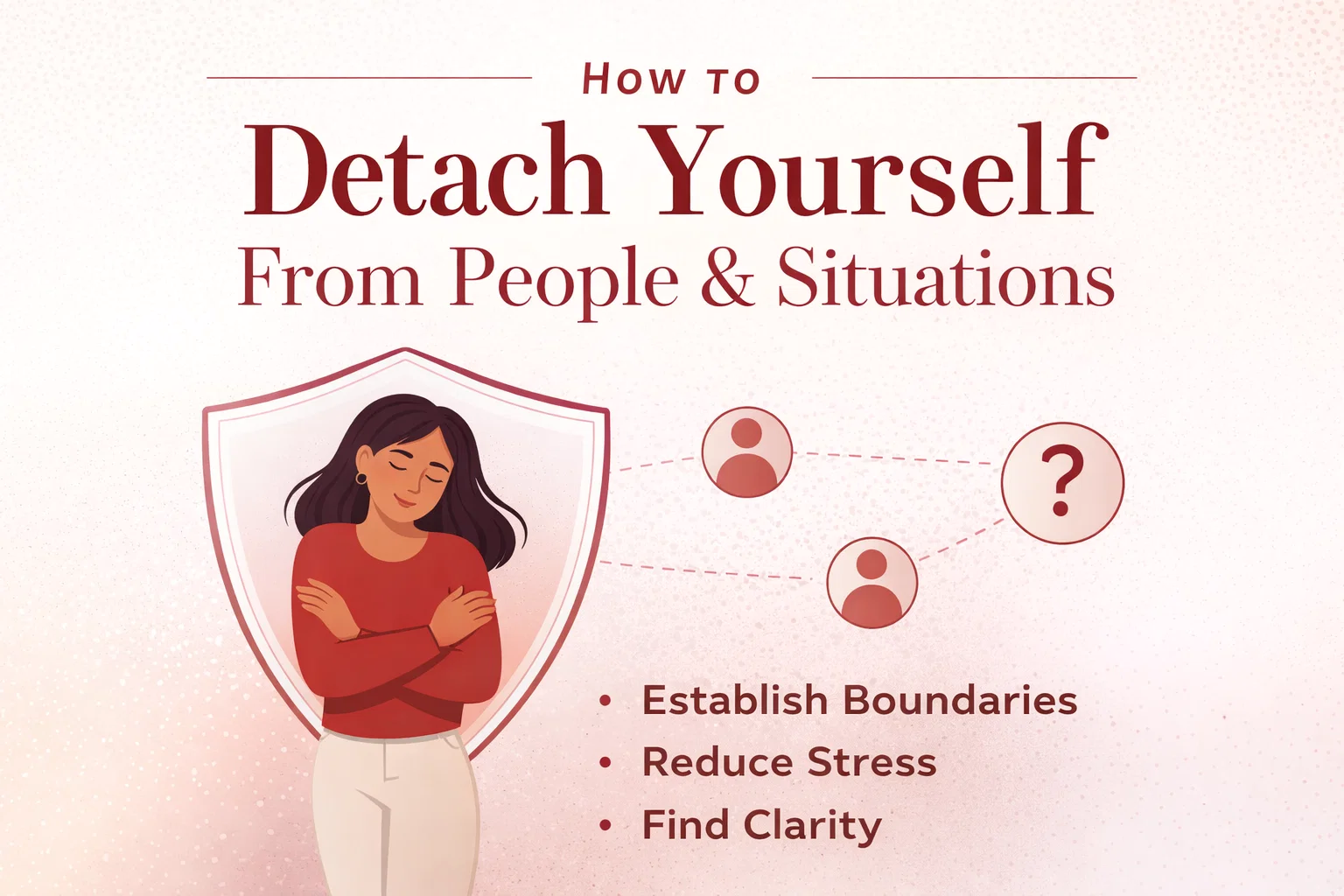
True detachment is often misunderstood as a cold or indifferent state of being. Many people imagine a person who simply stopped caring, someone who has built a wall so high that no one can get through. However, as the philosophy of Elévira Paper Co. suggests, detachment is actually an act of profound emotional discipline. It is the ability to care without losing your own identity in the process. When we learn to detach, we aren’t pulling away from life; we are simply staying internally steady while the world unfolds around us. This practice is the cornerstone of emotional maturity, allowing us to navigate complex relationships and high-pressure situations with a level of clarity that most people spend a lifetime trying to achieve.
Understanding the Essence of Emotional Detachment
To master the art of detachment, we must first redefine what it means. It is not about a lack of empathy. In fact, detaching allows you to be more present because you are no longer blinded by your own reactive triggers. It is the difference between being caught in a storm and watching the storm from a sturdy glass house. You can see the rain, you understand its power, but you are not being swept away by the current. This internal stability is what we call emotional discipline. It provides the necessary space to stay grounded in your values even when those around you are being pulled in every direction by their own impulses.
Detachment vs Indifference
The most common mistake people make is confusing detachment with indifference. Indifference is a lack of concern, a “whatever” attitude that often stems from burnout or a lack of connection. Detachment, on the other hand, is a conscious choice to maintain your peace. It is the realization that while you can love someone and support them, you cannot control their journey. By separating your well-being from the actions of others, you actually become a more reliable friend, partner, and leader. You become the anchor in the room rather than another wave in the ocean.
Separate Responsibility from Control
One of the most liberating realizations in the journey toward emotional maturity is understanding where your responsibility ends and where someone else’s begins. Many of us carry the heavy burden of trying to manage the moods and reactions of those around us. We walk on eggshells to avoid a partner’s anger or over-explain ourselves to prevent a friend’s misunderstanding. This is not just exhausting; it is an attempt to control the uncontrollable.
You are responsible for your words, your boundaries, and your choices. Period. You are not responsible for how someone else chooses to interpret those words or how they react to your boundaries. When you stop trying to manage other people’s internal states, you reclaim a massive amount of mental energy. This shift allows you to focus on the only person you actually have the power to change: yourself. By drawing this line in the sand, you create a healthier dynamic where everyone is held accountable for their own emotional regulation.
The Power of Observing Before Reacting
We live in a world that demands instant responses. Whether it is a text message, an email, or a snide comment during dinner, we often feel pressured to react immediately. However, the secret to detachment lies in the pause. When a situation triggers a physical or emotional response in you, your first instinct might be to defend yourself or lash out. Instead, try to become an observer of your own internal state.
Asking the Right Questions
In that moment of friction, ask yourself two vital questions: What exactly am I feeling right now? And what part of this situation is actually within my power? This small moment of reflection creates a psychological “buffer zone” between the stimulus and your response. By labeling your emotion (e.g., “I am feeling unheard”) and identifying your sphere of influence, you move from a state of panic to a state of logic. This is where your power lives. When you observe rather than react, you are no longer a puppet to your triggers.
Reducing Emotional Overexposure
In the age of oversharing, many of us feel a compulsive need to justify every decision we make. We feel that if we can just explain our perspective one more time, the other person will finally understand. But true detachment is recognizing that you do not need to engage in every disagreement. Sometimes, the most mature thing you can do is choose silence over proving a point. This isn’t about being passive-aggressive; it is about discernment.
Protecting your peace is not the same as avoidance. Avoidance is running away because you are afraid. Discernment is staying put but choosing not to give your energy to a fruit-less argument. When you reduce your emotional overexposure, you stop leaking energy into situations that don’t serve your growth. You learn that your “why” is yours alone, and you don’t owe anyone an explanation for the boundaries you set to keep your soul intact.
Anchoring Yourself in Your Identity
The more clearly you define who you are and the person you are becoming, the less likely you are to be shaken by the opinions of others. This is what it means to anchor yourself in identity. When your internal compass is set, the storms of external judgment lose their power to steer you off course. If you are building yourself into a woman of integrity, kindness, and strength, then a temporary conflict with someone who does not share those values becomes a minor blip rather than a personal crisis.
Aligning Actions with Your Future Self
When faced with a difficult person or a draining situation, ask yourself: Does engaging in this align with the person I am building? If the answer is no, then stepping back isn’t a defeat; it’s a victory for your future self. This perspective shift turns every interaction into a choice. You are no longer reacting based on who you were in the past or how someone is treating you in the present. You are responding based on the standards you have set for the person you want to be tomorrow. This is the ultimate form of self-respect.
Accepting the Natural Evolution of Connections
Part of emotional maturity is accepting the uncomfortable truth that not all connections are meant to last forever at the same level of intensity. People change, and so do the dynamics of relationships. Sometimes, growth means that two people who were once inseparable naturally begin to drift apart. Detachment allows this evolution to happen without the bitterness of resentment.
When we cling to a version of a relationship that no longer exists, we create suffering for ourselves and the other person. By practicing detachment, we can appreciate the role someone played in our lives while also acknowledging that their season in our story might be coming to an end. This allows us to let go with grace rather than anger. It is the realization that distance isn’t always a sign of failure; sometimes, it is simply a sign of growth.
The Internal Steady State
Ultimately, detaching is not about withdrawing from life or becoming a hermit. It is about engaging with the world while maintaining an internal steady state. You can still love deeply, work hard, and enjoy life’s pleasures, but you do so with the knowledge that your happiness is not a hostage to external circumstances. You are the captain of your own ship, and while you cannot control the weather, you can certainly control how you navigate the waves.
This journey isn’t something that happens overnight. It is a daily practice of catching yourself when you start to spiral, reminding yourself of your boundaries, and choosing to return to your center. Each time you choose to observe instead of react, you are strengthening your emotional muscles. Each time you let go of a need to control someone else, you are making room for more peace in your own life.
Conclusion: Choosing Your Peace Every Day
Detaching yourself from people and situations is one of the most difficult yet rewarding skills you can ever develop. It requires a level of self-awareness and honesty that many shy away from, but the payoff is a life defined by freedom rather than frustration. By separating responsibility from control, observing before reacting, and anchoring yourself in your own identity, you create a life that is governed from the inside out.
Remember that your peace is a priority, not an option. You have the right to step back, the right to stay silent, and the right to evolve. As you move forward, keep the principles of emotional discipline close to your heart. You don’t have to stop caring about the world, but you do have to stop letting the world dictate your internal weather. Stand tall in your values, honor your boundaries, and trust that as you grow, the right people and situations will align with the steady, grounded version of yourself that you are creating today.