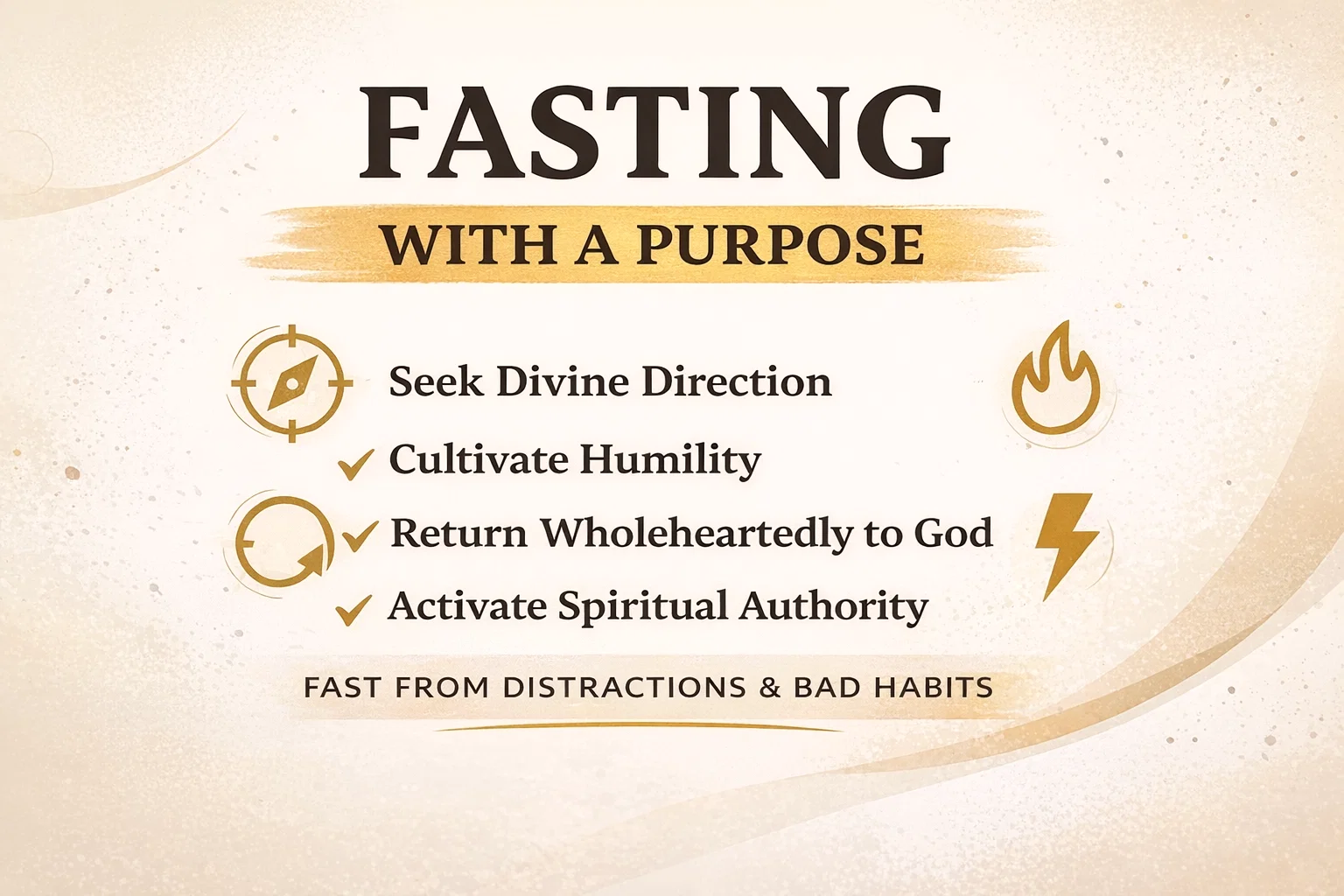
How to Fast with a Purpose Biblical Guide to Spiritual Growth and Mental Clarity
Embarking on a journey of fasting is one of the most transformative spiritual disciplines a person can undertake. It is a practice that spans centuries, cultures, and denominations, yet its core remains the same: a deliberate abstention from the physical to gain something far more valuable in the spiritual realm. When we look at the concept of fasting with a purpose, we move away from the idea of mere deprivation and toward a powerful state of spiritual alignment. It is not just about what you are leaving behind; it is about what you are moving toward. By identifying a specific biblical purpose for your fast, you turn a period of sacrifice into a season of profound breakthrough and divine connection.
Understanding the True Essence of Biblical Fasting
To truly grasp how to fast effectively, we must first look at it through a scriptural lens. In the modern world, fasting is often associated with physical health or weight loss. While those benefits are real, biblical fasting is primarily a matter of the heart. It is an outward expression of an inward commitment to seek God above all else. When we fast, we are telling our physical bodies that our spiritual hunger for God is greater than our physical hunger for food or entertainment.
This intentionality is what separates a spiritual fast from a simple diet. Without a dedicated purpose, fasting can quickly become a legalistic chore rather than a life giving experience. The image of the compass in ancient texts reminds us that fasting serves as a directional tool, pointing our souls back to their true North. It clears the clutter of daily life, silencing the roar of the world so that the still, small voice of the Creator can be heard clearly once again.
Seeking Divine Direction Through Ezra 8:21
There are moments in life when we stand at a crossroads, unsure of which path to take. Whether it involves a career change, a relationship decision, or a move to a new city, the weight of the unknown can be overwhelming. This is where the example of Ezra becomes incredibly relevant. In Ezra 8:21, the prophet proclaimed a fast to seek from God a right way for his people, their little ones, and all their possessions.
When you fast for divine direction, you are actively silencing the noise of the world. We live in an era of constant opinions where social media, news, and even well meaning friends can cloud our judgment. By fasting from the noise and the opinions of others, you create a sacred space for God to speak. You are acknowledging that while human wisdom is limited, God’s perspective is infinite. During this type of fast, focus your prayer time on asking for clarity and the courage to follow the path that is laid out before you.
Practical Steps for a Directional Fast
- Identify the specific decision or area where you need guidance.
- Limit your consumption of media and news to reduce external influence.
- Spend extra time in the Word, looking for principles that apply to your situation.
- Keep a journal to record any thoughts or scriptures that seem to resonate deeply during your prayer time.
Cultivating Humility and Realigning the Heart
Humility is the foundation of a healthy spiritual life, yet it is often the hardest trait to maintain in a world that rewards self promotion. Psalm 35:13 mentions humbling the soul with fasting. This type of fast is designed to strip away the ego and the desire for recognition. It is a conscious choice to lower ourselves so that God can be exalted in our lives.
To cultivate humility, we must fast from the things that feed our pride. This includes boasting, reactive speech, and the need for constant stimulation. We often use talk and activity to mask our insecurities or to make ourselves appear more important than we are. When we stop talking about ourselves and stop seeking the next dopamine hit from our phones, we are forced to face our true selves before God. This process can be uncomfortable, but it is necessary for spiritual growth. It reminds us that we are dependent on His grace for every breath we take.
Returning to God Wholeheartedly with Joel 2:12
Life has a way of slowly pulling us away from our first love. We do not usually wake up one day and decide to abandon our faith; rather, it is a slow drift caused by gossip, addictive loops, and sensual distractions. Joel 2:12 provides a powerful call to action: Turn to me with all your heart, with fasting, with weeping, and with mourning. This is a fast of repentance and restoration.
If you feel like your spiritual fire has dimmed or if you have fallen into patterns that do not honor God, this fast is for you. By cutting off addictive loops, such as mindless scrolling or negative speech patterns, you break the chains that keep you tethered to the mundane. You are making room for a fresh outpouring of the Holy Spirit. This is a time to be honest about your shortcomings and to receive the overwhelming mercy that God offers to those who return to Him with sincerity.
Breaking the Cycle of Distraction
Modern distractions are designed to be addictive. Algorithms are built to keep us scrolling, and gossip provides a temporary, though toxic, sense of connection. Fasting from these things is a form of spiritual warfare. It reclaims your time and your mental energy, allowing you to re-center your life on things that have eternal value. Instead of checking your notifications first thing in the morning, try opening your Bible and letting the first words you consume be the words of life.
Deepening Prayer and Intimacy with Daniel 9:3
Daniel is one of the most famous examples of a disciplined prayer life in the Bible. In Daniel 9:3, he describes setting his face toward the Lord God to make request by prayer and supplications, with fasting. For Daniel, fasting was the fuel that powered his prayer life. It added an intensity and a focus to his communication with God that could not be achieved through prayer alone.
Many of us struggle with shallow talk and binge habits that eat away at our quality time with the Creator. We binge watch shows or spend hours on trivial conversations, leaving only the leftovers for our prayer life. A Daniel inspired fast involves cutting out these binge habits to make room for deep, meaningful intercession. When your body feels the hunger of the fast, let it serve as a physical reminder to pray. Every stomach growl or urge to check your phone becomes a prompt to talk to your Father in heaven. This creates a rhythmic, consistent connection that persists throughout the day.
Honoring Grief and Finding Comfort
There is a unique type of fasting mentioned in the context of 2 Samuel that focuses on honor, grief, and loss. Many people do not realize that fasting can be a profound way to process sorrow. When we experience loss, our world stops, and our appetite often naturally fades. Lean into this by dedicating your fast to honoring what was lost and seeking the comfort that only the Holy Spirit, our Comforter, can provide.
In times of grief, we often try to numb the pain with food, substances, or endless distractions. However, fasting allows us to sit with our grief in the presence of God. It acknowledges the pain while simultaneously looking toward the Hope that transcends our current circumstances. This is not about self punishment; it is about creating a sacred space to mourn with the one who counts every tear and promises to heal the brokenhearted.
Activating Spiritual Authority and Breakthrough
Finally, we look at Matthew 17:21, where Jesus speaks about certain breakthroughs that only come through prayer and fasting. This is about activating spiritual authority. There are strongholds in our lives, our families, and our communities that require a higher level of spiritual engagement. When we fast for authority, we are asking God to move in ways that only He can.
This type of fast is often used when seeking a miracle, a healing, or a major shift in a difficult situation. It requires a bold faith and a willingness to stand in the gap. By denying the flesh, you are strengthening your spirit man, becoming more sensitive to the movements of the Spirit. It is a declaration that you believe God is able to do immeasurably more than all we ask or imagine, according to His power that is at work within us.
The Benefits of Fasting with Purpose
- Increased Sensitivity: You become more aware of God’s presence and nudges throughout the day.
- Self Discipline: You prove to yourself that you are not a slave to your physical appetites.
- Mental Clarity: Removing distractions allows your mind to rest and refocus on what truly matters.
- Spiritual Strength: Just as physical exercise builds muscle, spiritual discipline builds your capacity to handle life’s challenges.
Conclusion: Starting Your Fasting Journey
Fasting with a purpose is not a formula for getting what you want from God; it is a way to get more of God himself. Whether you choose to fast for a single meal, a whole day, or an extended period, the key is the intentionality behind it. Look at the areas of your life where you feel stuck or distant from your Creator. Is it a need for direction? A desire for humility? A hunger for breakthrough? Choose your purpose, identify what you will fast from, and step into the experience with an expectant heart.
Remember that God looks at the heart. If you stumble during your fast, do not be discouraged. Simply reset and continue. The goal is progress, not perfection. As you dedicate your time and your physical sacrifice to Him, you will find that the rewards far outweigh anything you have given up. You will emerge with a clearer vision, a humbler heart, and a deeper, more vibrant faith that is ready to take on whatever the next season holds.