How to Fix Blocked Lymph Flow Face Neck Lymphatic Drainage Massage Tutorial
If you have ever woken up with a puffy face, a heavy feeling in your neck, or a general sense of sluggishness that coffee just cannot fix, you might be dealing with stagnant lymph flow. The lymphatic system is one of the most underrated players in our overall health and beauty routine. Often referred to as the body’s internal drainage system, it is responsible for clearing out waste, toxins, and excess fluid. However, unlike our circulatory system, the lymph does not have a pump like the heart to keep things moving. It relies on our movement, breathing, and intentional touch. When it gets “blocked” or slowed down, the results show up physically as inflammation, dull skin, and even a weakened immune response.
Understanding the Basics: What is Lymphatic Drainage?
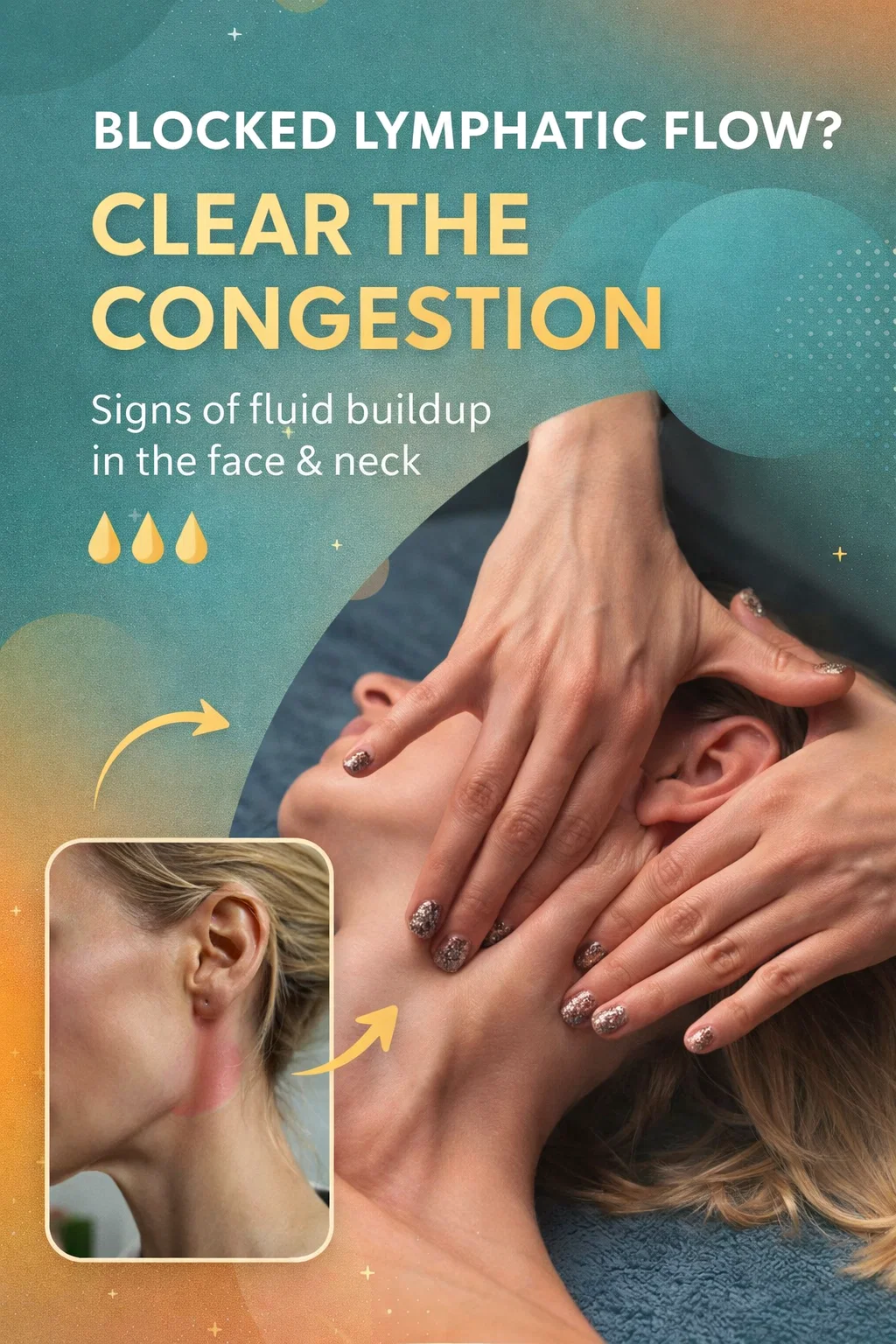
Before diving into the techniques shown in the image, it is essential to understand what we are actually moving. Lymph is a clear fluid that contains white blood cells and waste products from our tissues. It travels through a network of vessels and nodes. The nodes act as tiny filtration centers where harmful substances are neutralized. When we perform a lymphatic drainage massage, we are manually encouraging that fluid to travel toward the nodes so it can be processed and eliminated.
In the facial and neck region, there is a high concentration of these nodes, particularly around the ears, jawline, and the base of the neck. When these areas become congested, fluid pools in the soft tissues. This is why many people notice a “double chin” effect or bags under their eyes that seem to persist regardless of how much sleep they get. By using the specific hand placements seen in the visual guide, we can manually “unblock” these pathways.
Shutterstock
Explore
The Science of the Technique: Why Placement Matters
Looking at the image provided, you will notice the hands are positioned strategically around the ear and the side of the neck. This is not just for comfort; it is anatomical precision. The area right in front of and behind the ear is home to the parotid and post-auricular lymph nodes. The long muscle running down the side of the neck, known as the sternocleidomastoid, sits right atop the deep cervical lymph chain.
The Role of the Terminus
In lymphatic massage, the most important area is the “Terminus.” These are the nodes located just above the collarbone (the supraclavicular nodes). Think of the Terminus as the main drain of a sink. If the drain is plugged, it does not matter how much you scrub the basin; the water will stay put. Professional practitioners always start by gently “opening” the nodes at the collarbone before moving up to the face. This ensures that when you push fluid down from the cheeks or jaw, it actually has somewhere to go.
Step by Step Guide to Face and Neck Lymphatic Drainage
To achieve the results shown in the tutorial image, you must follow a specific sequence. Remember that the lymphatic vessels are located just beneath the surface of the skin. Using too much pressure will actually bypass the lymph and hit the muscle instead, which can cause more inflammation. The touch should be as light as moving a dime across a table.
Step 1: Open the Main Drains
Place your fingers in the hollows just above your collarbones. Using a very light, rhythmic pumping motion, press inward and downward toward the heart about ten times. This prepares the body to receive the fluid you are about to move from the face.
Step 2: The Neck Sweep
As seen in the image, use the flats of your fingers to stroke downward from the base of the ear toward the collarbone. This clears the “pipes” of the neck. Always move in a downward direction. This prevents fluid from backing up into the facial tissues.
Step 3: The Ear and Jaw Connection
Position your hands so your fingers “V” around your ears. One finger in front, one behind. Use a gentle circular motion to stimulate the nodes around the ear. Then, use your palms or fingertips to sweep from the center of the chin, along the jawline, and back toward the ear. This helps define the jawline and reduces the appearance of a heavy lower face.
Step 4: The Mid-Face Flush
Place your fingers near the sides of your nose and sweep outward toward the temples. This is excellent for clearing sinus congestion and reducing puffiness under the eyes. Once the fluid reaches the temples, sweep it down past the ears and down the neck to the collarbone.
The Benefits of Clearing Blocked Lymph Flow
While many people seek out lymphatic drainage for the immediate “snatched” look it provides the face, the internal benefits are arguably more significant. Consistent practice can transform your skin health from the inside out.
- Reduced Inflammation: By removing stagnant fluid, you lower the concentration of inflammatory markers in the skin, which can help with acne and rosacea.
- Natural Detoxification: It speeds up the removal of metabolic waste, giving your skin a clearer, more vibrant tone.
- Improved Immune Function: Since the lymph system carries white blood cells, keeping the flow active helps your body respond faster to pathogens.
- Stress Relief: The slow, rhythmic nature of the massage stimulates the parasympathetic nervous system, lowering cortisol levels.
Common Mistakes to Avoid
Even with a guide, it is easy to fall into habits that make the massage less effective. To get the most out of your self-care routine, keep these tips in mind.
Using Too Much Pressure
This is the number one mistake. If your skin is turning red, you are pressing too hard. Lymphatic drainage is not a deep tissue massage. It is a skin-stretching technique. If you press too hard, you collapse the delicate lymph vessels, making it impossible for fluid to move through them.
Going Too Fast
The lymphatic system moves slowly. To be effective, your strokes should be rhythmic and intentional. A fast, scrubbing motion will not engage the lymph collectors. Aim for one full stroke every three seconds.
Forgetting to Hydrate
Lymph is mostly water. If you are dehydrated, the fluid becomes thick and sluggish. To “flush” the system effectively, you must drink plenty of water before and after your session to help your kidneys process the waste that has been moved into the bloodstream.
When Should You Perform This Massage?
Consistency is the secret ingredient. While a one-time massage will provide temporary de-puffing, doing it regularly will prevent “blockages” from forming in the first place. Many people find success by incorporating it into their morning skincare routine. Using a facial oil or a silky cleanser provides the “slip” needed to avoid tugging on the skin.
Morning is ideal because fluid tends to pool in the face while we are lying flat during sleep. A five minute session after waking up can significantly change your appearance for the day. However, doing it at night is also beneficial for relaxation and helping the body detox during its natural repair cycle.
Conclusion: A Path to Holistic Radiance
The image of “Blocked Lymph Flow” serves as a powerful reminder that our beauty and our health are deeply intertwined. We often spend hundreds of dollars on topical creams and serums, yet we forget the fluid systems working just beneath the surface. By taking control of your lymphatic health, you are not just chasing a trend; you are supporting a vital biological process.
Whether you are looking to sharpen your jawline, clear up chronic skin issues, or simply find a moment of peace in a busy day, lymphatic drainage massage is a tool everyone should have in their wellness kit. It is simple, free, and incredibly effective. Start with the neck, move with intention, and watch as your body rewards you with a clearer complexion and a lighter, more energized feeling. Your skin will thank you, and your body will feel the difference.
Would you like me to create a customized weekly schedule for your lymphatic health or explain how to use tools like Gua Sha with this technique?