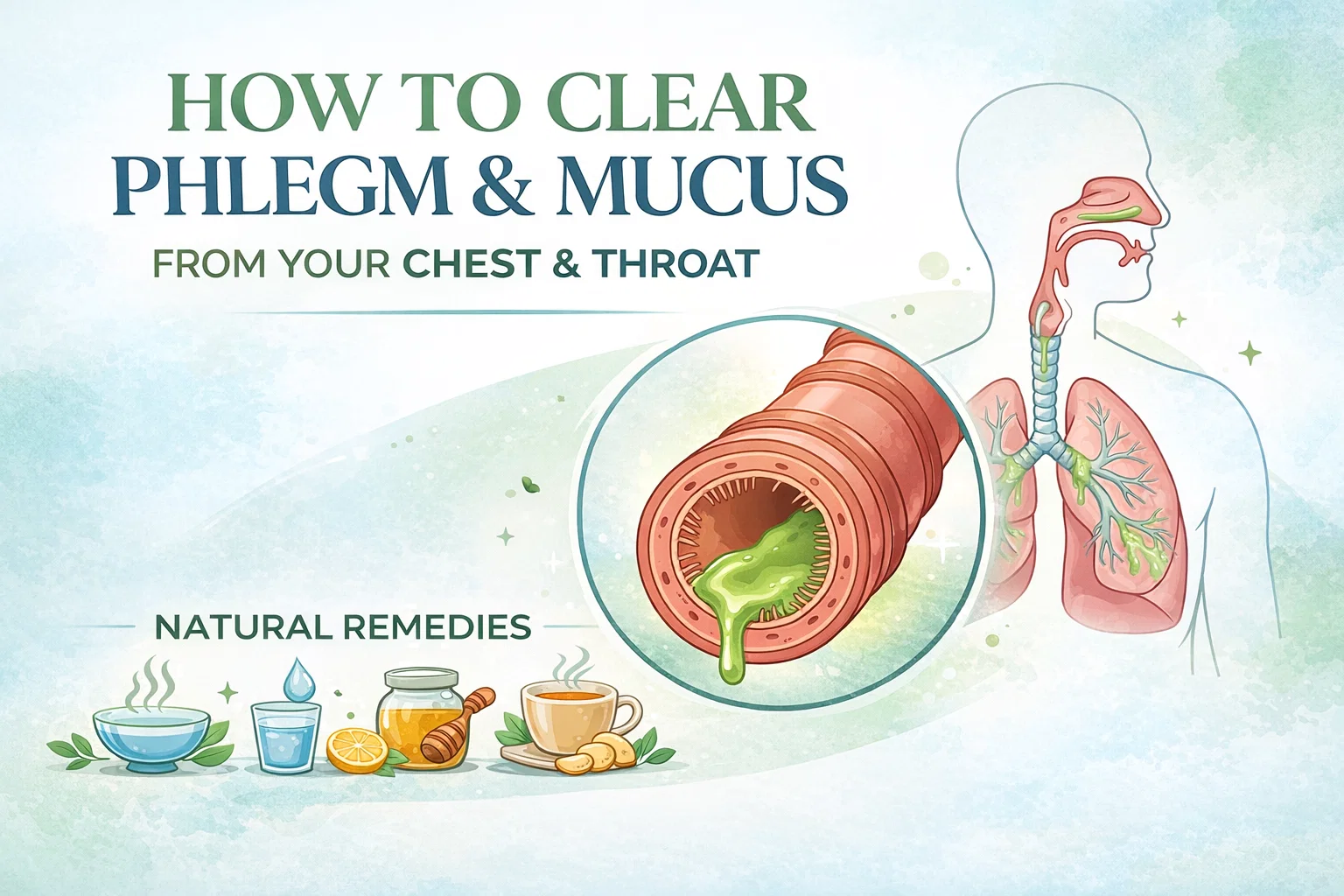
How to Get Rid of Phlegm Mucus in the Chest Throat Naturally
Dealing with a persistent cough and a chest full of congestion can be incredibly frustrating. That heavy, tight feeling in your lungs and the constant need to clear your throat can disrupt your sleep, drain your energy, and make even simple daily tasks feel exhausting. If you are struggling with stubborn phlegm and mucus, you are certainly not alone. Fortunately, you do not always need to rely on harsh over-the-counter medications to find relief. There are numerous effective, holistic health strategies that can help you breathe easier and recover faster naturally.
Understanding Phlegm and Mucus
Before diving into the remedies, it helps to understand what you are actually fighting. Mucus is a normal, healthy substance produced by the membranes in your respiratory tract. It acts as a vital protective barrier, trapping dust, viruses, bacteria, and allergens before they can reach deep into your lungs. However, when your body is fighting off an infection like a cold or the flu, or when you are exposed to environmental irritants, your immune system kicks into overdrive.
Shutterstock
This immune response results in the overproduction of thicker, stickier mucus, which we commonly refer to as phlegm. When this excess phlegm pools in your chest and throat, it triggers your body’s cough reflex as it attempts to expel the buildup.
Shutterstock
The key to finding lasting relief is not to suppress the cough entirely, but to thin out the mucus so your body can clear it much more efficiently. Let us explore the best natural remedies and lifestyle adjustments to help you achieve exactly that and support your overall respiratory health.
Top Natural Remedies for Chest and Throat Congestion
The Power of Steam Inhalation
One of the most immediate and soothing ways to break up chest congestion is through steam inhalation. The warm, moist air travels directly into your respiratory tract, moisturizing dry, irritated passages and loosening hardened mucus. This makes it significantly easier to cough up and expel the phlegm from your lungs.
To practice steam inhalation at home, simply boil a pot of water and carefully transfer it to a large, heat-safe bowl. Lean over the bowl, keeping your face a safe distance away to avoid accidental burns, and drape a large towel over your head to trap the steam. Take slow, deep breaths for about ten to fifteen minutes. You can repeat this soothing process a few times a day for maximum benefit. For an extra therapeutic boost, you can incorporate essential oils, which we will discuss later in the lifestyle tips section.
Hydrate Often to Thin Mucus
Staying properly hydrated is perhaps the most crucial, yet frequently overlooked, step in recovering from respiratory congestion. When your body is dehydrated, your mucus becomes incredibly thick, sticky, and difficult for your lungs to clear out. By drinking plenty of fluids, you are actively helping to thin the consistency of the phlegm, allowing your body’s natural clearing mechanisms to work properly.
Aim to drink copious amounts of room-temperature or warm water throughout the entire day. Warm liquids are particularly effective because they provide a comforting sensation to a scratchy throat while simultaneously helping to dissolve mucus blockages. Herbal teas, clear vegetable or bone broths, and warm lemon water are all excellent choices to keep your hydration levels optimal while supporting your immune system during recovery.
Soothe with Honey and Lemon
The combination of honey and lemon is a time-tested herbal remedy for respiratory ailments, and for very good reason. Honey is a natural humectant and boasts powerful antibacterial and antiviral properties. It thickly coats the throat, providing a protective layer that soothes raw irritation and significantly reduces the incessant urge to cough. In fact, many holistic health studies suggest that dark, antioxidant-rich honeys like buckwheat can be just as effective as traditional chemical cough suppressants.
Lemon, on the other hand, is packed with vitamin C to support your immune system’s fight against infection. It also acts as a mild natural astringent, helping to break down excess mucus in the throat. To create this soothing elixir, simply mix one tablespoon of raw, preferably local, honey and the freshly squeezed juice of half a lemon into a large mug of warm water. Sip it slowly to enjoy the immediate, warming relief it provides.
Clear the Throat with a Saltwater Gargle
If you are dealing with a frustrating buildup of mucus specifically lodged in the back of your throat, a saltwater gargle is a highly effective, low-cost solution. The salt creates an osmotic effect, meaning it actively draws excess fluid and mucus out of the swollen, inflamed tissues in your throat. This process not only clears the physical blockage but also helps to reduce painful swelling and wash away lingering bacteria.
To prepare a proper saltwater gargle, dissolve half a teaspoon of natural sea salt or Himalayan pink salt into a glass of warm water. Take a large sip, tilt your head back, and gently gargle the solution in the back of your throat for about thirty seconds before spitting it out. Repeat this process until the glass is completely empty, and try to incorporate this routine two to three times a day until your symptoms fully subside.
Reduce Inflammation with Ginger Tea
Ginger is a true powerhouse root, heavily revered in herbalism and holistic health circles for its potent anti-inflammatory and antioxidant properties. When you have a chest cold, your airways become inflamed, irritated, and constricted. Ginger naturally helps to relax these airway muscles, improve circulation to the lungs, and expel trapped mucus safely.
Brewing a fresh cup of healing ginger tea is incredibly simple. Peel and thinly slice a small piece of fresh ginger root and steep it in boiling water for about ten to fifteen minutes. You can drink this spicy tea plain or enhance its healing properties by adding a dash of the aforementioned honey and lemon. The warming, invigorating nature of the ginger will stimulate your system and encourage your body to clear out the stubborn chest congestion.
Lifestyle Tips for Respiratory Relief
Elevate Your Head While Sleeping
Nighttime is almost always when chest and throat congestion feel the absolute worst. When you lie flat on your back in bed, gravity causes mucus from your nasal passages to drip down and pool directly in the back of your throat. This common phenomenon, known as postnasal drip, triggers severe coughing fits that can easily keep you awake all night long.
To combat this frustrating issue, you need to enlist the help of gravity. Prop the head of your bed up slightly or use a few extra supportive pillows to elevate your upper body while you sleep. By keeping your head elevated higher than your chest, you naturally encourage the mucus to drain properly downward, preventing it from accumulating and irritating your sensitive airway. This simple, free adjustment can drastically improve the overall quality of your rest, which is absolutely vital for your body’s natural healing process.
Utilize a Humidifier
Dry indoor air can be incredibly harsh on compromised, sensitive respiratory systems. It strips moisture from the mucous membranes in your nose and throat, causing the body to overreact and produce even thicker, more stubborn phlegm as a defense mechanism. Adding ambient moisture back into your living environment is a fantastic way to keep your airways lubricated, relaxed, and comfortable.
Running a high-quality cool-mist humidifier in your bedroom at night, or in the main room where you spend the most time during the day, can make a world of difference in your recovery speed. The continuous, gentle stream of moisture helps to thin out the dense secretions in your lungs, making your coughs much more productive. Just be absolutely sure to clean your humidifier regularly according to the manufacturer’s strict instructions to prevent the dangerous growth of mold and bacteria, which would only serve to worsen your respiratory symptoms.
Avoid Irritants and Pollutants
When your respiratory tract is already highly inflamed and actively battling excess mucus, the last thing you want to do is introduce foreign chemical irritants that will aggressively exacerbate the problem. Protecting your delicate lungs from harsh environmental factors is a critical, non-negotiable component of your natural recovery plan.
You should absolutely avoid smoking and completely steer clear of secondhand smoke. Tobacco smoke literally paralyzes the tiny, hair-like structures in your lungs called cilia, which are directly responsible for sweeping mucus up and out of the airways. Furthermore, try your best to limit your exposure to strong household chemical fumes, artificial synthetic fragrances, heavy dust, and other common air pollutants. If the air quality outside is poor or pollen counts are high, it is best to stay indoors, run an air purifier if you have one, and keep your windows tightly closed until conditions improve.
Incorporate Spicy Foods
If you have ever eaten a particularly spicy meal and immediately noticed your nose start to run, you have experienced firsthand the natural expectorant qualities of spicy foods. Ingredients like fresh chili peppers, cayenne powder, horseradish, and potent wasabi contain active chemical compounds, such as capsaicin, that heavily stimulate your mucous membranes.
These fiery, warming foods temporarily increase the rapid production of watery secretions in your body, which acts to naturally dilute the thick, stubborn phlegm lodged deep in your chest and throat. Adding a generous dash of cayenne pepper to a warm bowl of soup or eating a nutritious meal packed with fresh chili can provide a quick, highly effective clearing effect. While this relief may be temporary, it makes it significantly easier to blow your nose and properly cough up the newly loosened mucus.
Breathe Easier with Eucalyptus Oil
Eucalyptus oil is an absolute staple in any natural medicine cabinet, especially when dealing with respiratory issues. It contains a powerful active compound called cineole, which has been scientifically shown to work as a potent clinical expectorant, actively helping to break up dense mucus and ease painful chest tightness. The remarkably cooling, invigorating scent also helps to swiftly open up swollen nasal passages, providing a wonderful sensation of clearer, deeper breathing.
There are a few wonderful ways to utilize eucalyptus oil safely at home. You can add three to five drops directly into the hot water during your steam inhalation routine for a powerful, deeply clearing aromatic experience. Alternatively, you can craft a natural chest rub. Simply dilute a few drops of the high-quality essential oil in a nourishing carrier oil, such as fractionated coconut oil or jojoba oil, and gently massage it directly onto your chest and the base of your throat right before bed. Always remember that pure essential oils are highly concentrated and should never be ingested orally or applied directly to the bare skin without proper, careful dilution.
Conclusion: Supporting Your Body’s Healing Process
Dealing with an overabundance of phlegm and mucus in your chest and throat is a completely natural part of your body’s complex immune response, but it certainly does not mean you have to suffer through the daily discomfort without assistance. By seamlessly incorporating these powerful natural remedies and practical lifestyle tips into your daily wellness routine, you can actively support your respiratory system, naturally thin out stubborn lung secretions, and finally find the holistic relief you need to breathe freely once again.
Remember that when it comes to holistic healing, consistency is the ultimate key to success. Combining deep hydration, warm steam therapies, and soothing, anti-inflammatory ingredients like raw honey and fresh ginger will always yield the absolute best results. Above all else, be patient and give your body the adequate time and deep, restorative rest it requires to fully heal itself. If your severe congestion persists for more than a couple of weeks, if you experience a high, sustained fever, or if you notice the expelled mucus is a concerning color like dark green, brown, or rust, it is always best practice to consult with a qualified healthcare professional to firmly rule out any underlying bacterial infections that may require targeted medical treatment.