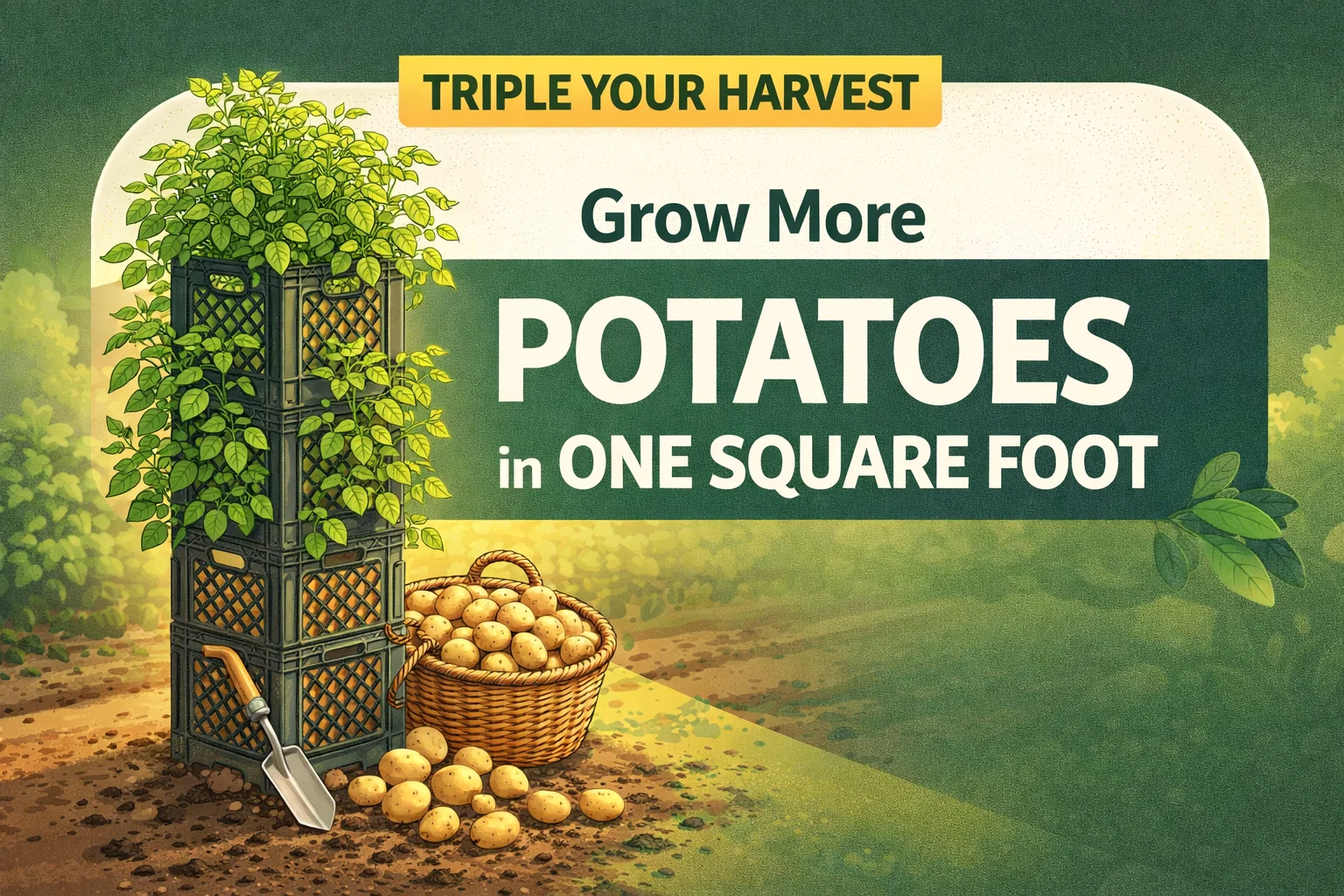
How to Grow Potatoes in Milk Crates Vertical DIY Potato Tower for a Triple Harvest
Growing your own food is one of the most rewarding experiences a homeowner can have, but for many, the dream of a sprawling vegetable patch is cut short by a lack of backyard real estate. If you have ever looked at a tiny patio or a single square foot of soil and wished you could produce a massive harvest of buttery, homegrown potatoes, then the potato tower method is exactly what you have been searching for. This ingenious vertical gardening technique turns traditional farming on its head, allowing you to stack your crops rather than spreading them out. By using simple, repurposed materials like milk crates, you can effectively triple your yield without needing an extra inch of ground space.
The Magic of Vertical Potato Gardening
Traditional potato farming requires long trenches and constant hilling, which can be backbreaking work. Even worse, it takes up a significant amount of garden space that could be used for other crops. The potato tower solves both of these problems simultaneously. By growing upward, you are taking advantage of the potato plant’s natural tendency to send out tubers along its buried stem. The more stem you cover with soil and organic matter as the plant grows, the more potatoes you get.
Using milk crates for this project is a stroke of genius for several reasons. First, they are incredibly sturdy and designed to be stacked, providing a stable structure that won’t topple over in the wind. Second, the mesh sides of a milk crate provide excellent aeration and drainage. Potatoes are prone to rot if they sit in soggy soil, so the built-in ventilation of a crate ensures the root system stays healthy and oxygenated throughout the growing season.
What You Will Need to Build Your Tower
Before you get your hands dirty, it is important to gather the right materials. The beauty of this project is its low cost and accessibility. You likely have some of these items lying around your garage or can find them easily at a local hardware store.
- Three to four heavy-duty milk crates: Ensure they are the interlocking kind so they stay secure when stacked.
- High-quality potting mix: Avoid heavy garden soil. You want a light, fluffy mix that includes peat moss or coconut coir and perlite.
- Seed potatoes: Look for varieties that are known for high yields, such as Yukon Gold, Russet, or Red Pontiac.
- Straw or dried leaves: This acts as a liner to keep the soil from falling through the mesh sides of the crates.
- Organic fertilizer: A balanced, slow-release fertilizer will keep your plants fed for months.
Selecting the Right Seed Potatoes
Not all potatoes are created equal when it comes to vertical growing. While you can technically grow any variety in a tower, late-season or indeterminate varieties often perform best. These types of potatoes continue to grow foliage and tubers as long as you keep adding soil. This allows the plant to climb higher and higher into the stacked crates, filling every level with delicious spuds. Always buy certified disease-free seed potatoes rather than using ones from the grocery store, as store-bought potatoes are often treated with growth inhibitors to prevent sprouting.
Step by Step: Building Your Potato Tower
Setting up your tower is a straightforward process that can be completed in under an hour. Start by choosing a spot that receives at least six to eight hours of direct sunlight every day. Potatoes are sun-lovers, and the more light they get, the bigger your harvest will be. Place your first milk crate directly on the ground or on a sturdy pallet.
Line the bottom and the sides of the first crate with a thick layer of straw. This creates a nest that holds the soil in place while still allowing water to drain out freely. Fill the bottom six inches with your potting mix and a handful of organic fertilizer. Place your seed potatoes on top of this layer, spacing them about four or five inches apart. Cover them with another few inches of soil and a light layer of straw.
Stacking and Growing
As the green sprouts begin to emerge from the soil and reach about six inches in height, it is time to add the next level. Place your second milk crate on top of the first. Again, line the sides with straw and carefully add more soil around the stems of the growing plants, leaving only the very top leaves exposed. This process is called hilling. You will repeat this process for each crate until your tower is three or four levels high. By the time you reach the top, you will have a skyscraper of greenery that is hiding a treasure trove of potatoes underneath.
Maintaining Your Vertical Harvest
Because the potato tower is elevated and has excellent drainage, it will dry out faster than a traditional garden bed. Consistent moisture is the secret to large, uniform potatoes. You should check the soil daily, especially during the heat of summer. Stick your finger a few inches into the soil; if it feels dry, it is time to water. Aim to keep the soil feeling like a wrung-out sponge.
Feeding Your Plants
Potatoes are heavy feeders. While you added fertilizer at the start, a liquid organic fertilizer applied every two weeks will provide the extra boost needed for tuber development. Look for a fertilizer that is lower in nitrogen and higher in phosphorus and potassium. Too much nitrogen will give you beautiful green leaves but very small potatoes. You want the plant to focus its energy on the roots, not just the foliage.
The Easiest Harvest You Will Ever Experience
One of the biggest deterrents to growing potatoes is the harvest. In a traditional garden, you have to carefully dig around the plants with a pitchfork, often accidentally piercing the very potatoes you worked so hard to grow. With the milk crate tower, the harvest is the best part of the entire process. There is no digging required at all.
When the vines at the top of the tower turn yellow and begin to die back, your potatoes are ready. Simply spread a tarp on the ground next to your tower. Lift the top crate and tip it over onto the tarp. The straw and soil will fall away, and the potatoes will tumble out, clean and ready to be gathered. Repeat this for each level until you have reached the bottom. It is like an archaeological dig where everyone wins.
Tips for Success
- Watch for Pests: Keep an eye out for the Colorado potato beetle. Since your tower is small and contained, you can usually manage these by hand-picking them off the leaves.
- Proper Airflow: Don’t crowd your towers. If you are building multiple units, leave a foot of space between them to ensure air can circulate through the mesh sides.
- Curing Your Spuds: Once harvested, let your potatoes sit in a cool, dark, dry place for about two weeks. This allows the skins to toughen up, which helps them last much longer in storage.
Why Every Gardener Needs a Potato Tower
The potato tower represents a shift toward more sustainable and efficient home gardening. It proves that you do not need a farm to be a farmer. By utilizing vertical space, you are maximizing your output and minimizing your effort. This method is perfect for families, as kids love the excitement of tipping over the crates to find the hidden treasure inside. It is also an excellent option for older gardeners or those with mobility issues, as the crates can be placed at a height that eliminates the need for kneeling or bending over.
Beyond the practical benefits, there is a deep sense of satisfaction that comes from eating a potato that was grown just steps from your kitchen. The flavor of a fresh-dug potato is infinitely superior to anything you can buy at a supermarket. They are creamier, more flavorful, and packed with nutrients that begin to degrade the moment a commercial crop is harvested.
Conclusion
Whether you are living in a city apartment with a small balcony or a suburban home with a crowded backyard, the potato tower is a brilliant solution for growing your own food. It is affordable, easy to build, and incredibly productive. By following this simple guide and using the vertical space you already have, you can enjoy a massive harvest of delicious potatoes this season. Grab a few milk crates, some straw, and a bag of seed potatoes, and start building your own garden skyscraper today. You will be amazed at how much you can grow in just one square foot. Happy gardening!