How to Love Yourself the Biblical Way 7 Faith-Based Self-Care Tips Scripture Quotes
Learning to embrace yourself is often portrayed as a journey of bubble baths and luxury vacations, but for those seeking a deeper connection, the most profound form of self-love is found in ancient wisdom. When we look at ourselves through the lens of faith, the narrative shifts from self-obsession to self-stewardship. It is not about being perfect; it is about recognizing that you are a deliberate creation. This perspective offers a sturdy foundation that doesn’t shift when your circumstances change or when your confidence wavers. By aligning your self-image with biblical principles, you can move away from the exhausting cycle of modern comparison and step into a life of peace and purpose.
Seeing Yourself Through the Eyes of the Creator
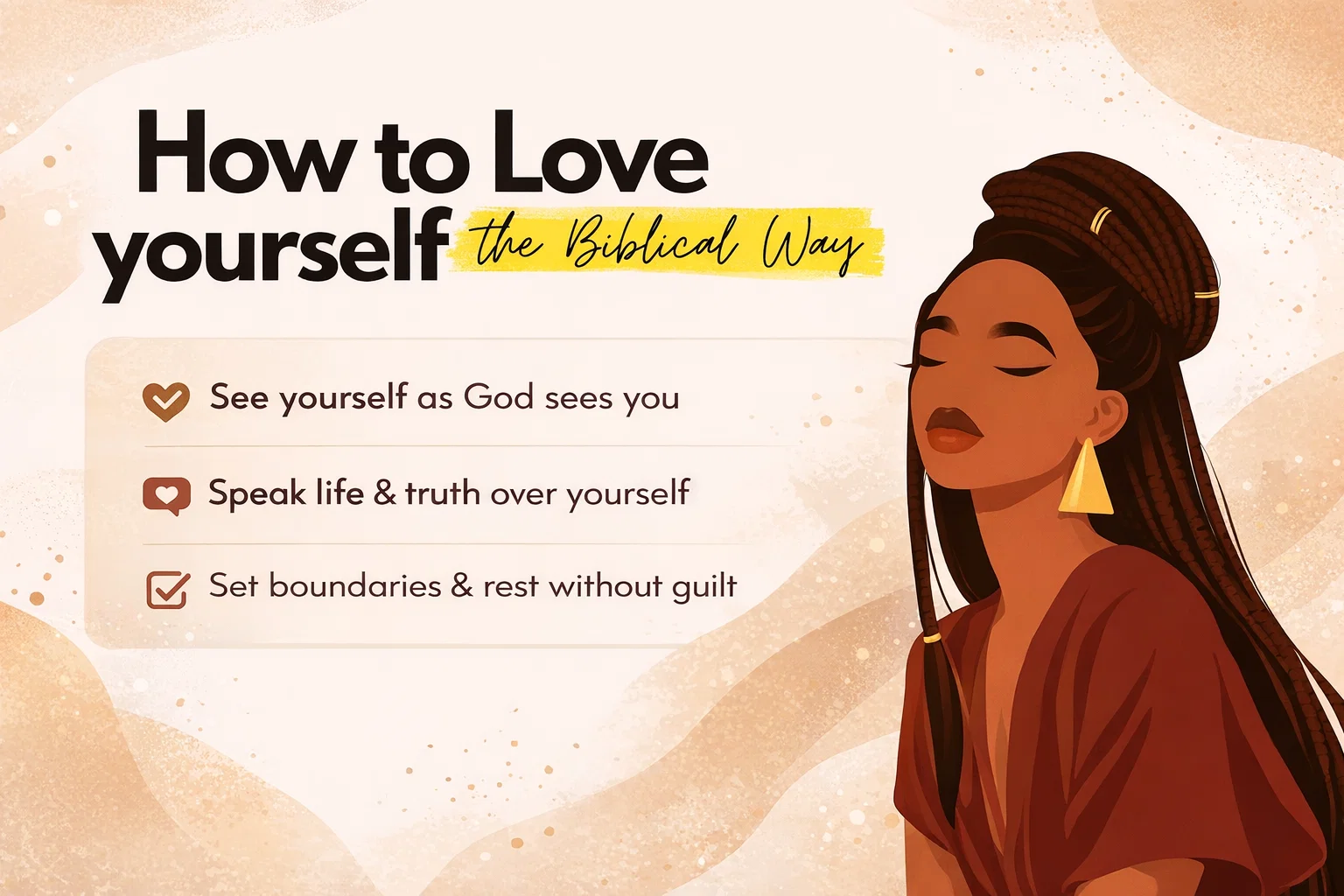
The first step in a biblical approach to self-love is a radical shift in perspective. Instead of focusing on your perceived flaws or the opinions of others, you are invited to see yourself as God sees you. Ephesians 1:4 reminds us that we are chosen, loved, and redeemed. This isn’t a status you earn through good behavior or a high-paying job; it is a gift that was given before the foundations of the world. When you start your day by acknowledging this truth, you stop seeking validation from temporary sources.
Chosen and Set Apart
To be chosen means you are not an accident. Every trait, every quirk, and every part of your story has been woven together with intention. In a world that often treats individuals as replaceable, the biblical truth is that you are unique and necessary. Understanding this allows you to stop competing with others and start celebrating the specific path laid out for you. You are not just a face in the crowd; you are a masterpiece in progress.
The Power of Redemption
Redemption is perhaps the most liberating aspect of faith-based self-worth. It means that your past mistakes do not define your future potential. Loving yourself the biblical way involves accepting that you are a work in progress. You are allowed to move forward without the heavy chains of yesterday’s failures because you have been redeemed. This realization fosters a sense of gratitude that naturally leads to a healthier self-image.
The Power of Your Words: Speaking Life
Proverbs 18:21 tells us that the tongue has the power of life and death. The way you talk to yourself matters more than you might realize. If you constantly repeat lies about your inadequacy, your mind will eventually accept them as facts. Biblical self-love requires you to reject those lies and actively declare the truth over your life. This isn’t just “positive thinking” in a secular sense; it is an active alignment with the word of God.
Rejecting the Lies of the Enemy
Lies often sound like “I am not enough,” “I will never succeed,” or “I am unlovable.” These thoughts are designed to keep you small and fearful. When these thoughts arise, you must meet them with a firm rejection. Replace the lie with a specific scripture. If you feel unlovable, remind yourself of the unconditional love described in the Romans. If you feel weak, remember that strength is found in your faith. By doing this, you build a mental fortress that protects your peace.
Declaring Truth Daily
Speaking life is a daily practice. It involves waking up and deciding that today, you will speak words of encouragement and hope. This impacts how you view your work, your relationships, and your physical body. When you speak life, you are essentially prophesying over your own future, inviting growth and joy into your personal space. It is a transformative habit that changes the atmosphere of your heart.
Your Body as a Temple: A New Standard of Care
In modern culture, we are often told to care for our bodies so we can look a certain way. However, 1 Corinthians 6:19-20 offers a much more powerful motivation: your body is a temple of the Holy Spirit. This shifts the focus from aesthetics to stewardship. Caring for your physical health becomes an act of worship and respect for the one who created you. It is about honoring the vessel that allows you to fulfill your purpose on earth.
Nourishment Over Deprivation
Instead of punishing your body with extreme diets or over-exercising, biblical self-care emphasizes nourishment. This means eating food that gives you energy, staying hydrated, and moving your body in ways that feel good. When you view your body as a temple, you treat it with kindness. You listen to its needs and provide it with the fuel it requires to function at its best. This approach removes the shame often associated with health and fitness.
Physical Health and Spiritual Clarity
There is a strong connection between our physical state and our spiritual clarity. When we are exhausted, poorly nourished, or neglected, it is much harder to feel connected to our faith or to show love to others. By taking care of your physical needs, you are actually sharpening your spiritual tools. Proper rest and nutrition allow you to be more present, more patient, and more capable of serving those around you.
The Sanctity of Boundaries: Saying No as a Holy Act
Many people struggle with the idea of boundaries, fearing that saying “no” is selfish or unloving. However, Proverbs 4:23 encourages us to guard our hearts, for everything we do flows from it. Setting healthy boundaries is actually a way to preserve your capacity to love others effectively. If you are constantly poured out with nothing left for yourself, you will eventually burn out and become resentful.
Guarding Your Heart and Time
Boundaries are the fences that keep the most important parts of your life safe. This might mean saying no to an extra project at work, setting limits on social media usage, or distancing yourself from toxic influences. By guarding your time and energy, you ensure that you have enough to give to the things that truly matter. It is an act of wisdom to recognize your limits and honor them.
The Art of the Holy No
A “holy no” is a refusal that is made with prayerful consideration. It is not about being rude; it is about being honest about your capacity. When you say no to the wrong things, you are creating space to say yes to the right things. This is a vital part of self-love because it prevents you from being over-extended and allows you to live a life of intentionality rather than one of constant obligation.
Nourishing the Mind and Heart
Philippians 4:8 provides a beautiful checklist for what should occupy our minds: things that are true, noble, right, pure, lovely, and admirable. In an age of constant information and social media comparison, it is incredibly easy to fill our minds with junk. Nourishing your mind with scripture and uplifting thoughts is a key component of biblical self-love. It protects you from the poison of comparison and keeps your heart focused on what is truly important.
Moving Beyond Comparison
Comparison is the thief of joy, and in the digital age, it is everywhere. We see the highlight reels of others and compare them to our behind-the-scenes struggles. Biblical self-care encourages us to look away from the screen and back toward the word. When you are grounded in your own identity, the successes of others no longer feel like a threat to your own worth. You can celebrate others while staying content in your own journey.
The Role of Scripture in Mental Health
Scripture acts as a balm for a weary mind. It provides comfort during anxiety, hope during depression, and direction during confusion. By making the reading of scripture a regular part of your routine, you are feeding your soul the highest quality “food” available. This mental nourishment builds resilience and helps you maintain a positive, faith-filled outlook even when life gets challenging.
Celebrating Small Victories and Embracing Growth
Galatians 6:9 reminds us not to become weary in doing good, for at the proper time we will reap a harvest if we do not give up. Personal growth is rarely a fast process; it is a long-term journey of small steps and gradual changes. Part of loving yourself is giving yourself the grace to grow at your own pace. Celebrate the small wins, even if they seem insignificant to others.
The Beauty of the Process
We often get so focused on the destination that we forget to appreciate the process. Every time you choose patience over anger, or peace over worry, you are winning a small victory. These moments add up over time to create lasting character. Recognizing and celebrating these steps reinforces your commitment to your well-being and encourages you to keep going when things get tough.
Patience with Yourself
You wouldn’t expect a seed to become a tree overnight, so don’t expect yourself to reach perfection instantly. Biblical self-love involves having the same patience with yourself that God has with you. Growth takes time, and there will be setbacks. The key is to keep showing up, keep trusting the process, and keep leaning into the grace that is available to you every single morning.
The Gift of Rest: Living Without Guilt
Genesis 2:2-3 shows us that even God rested after his work was finished. If the Creator of the universe deemed rest important, why do we often feel so guilty for taking a break? True self-care includes the ability to rest without feeling like you are falling behind. Rest is not a reward for productivity; it is a fundamental human need and a spiritual discipline.
Rest as an Act of Trust
When you rest, you are essentially saying that the world will not stop turning just because you took a nap or spent a quiet afternoon in reflection. It is an act of trust in the one who sustains all things. By stepping away from the “hustle,” you acknowledge that your worth is not tied to your output. This realization is incredibly healing for the soul and allows you to return to your work with renewed energy and focus.
Finding Your Sabbath
Finding a rhythm of rest is essential for long-term health. This might be a traditional Sabbath day once a week, or it might be smaller pockets of rest throughout your day. Whether it is a quiet walk, a few minutes of meditation, or a night of deep sleep, these moments of stillness are where we often hear the quietest whispers of guidance and comfort. Give yourself permission to be still.
Forgiveness: Letting Go of the Weight
Romans 8:1 declares that there is now no condemnation for those who are in Christ Jesus. If God has already forgiven you, why are you still holding onto your own guilt? Loving yourself means extending the same forgiveness to yourself that you have already received from above. Carrying around self-hatred or shame is like walking with a heavy backpack that you were never meant to carry.
Releasing the Past
Forgiving yourself is a choice to stop bringing up old failures as evidence of your worthlessness. It is about acknowledging the mistake, learning from it, and then leaving it behind. This doesn’t mean you don’t take responsibility; it means you refuse to let the mistake define you. When you release the past, you free up immense amounts of emotional energy to invest in your present and future.
Walking in Freedom
Living in a state of self-forgiveness is true freedom. It allows you to approach life with a light heart and a clear conscience. You become more compassionate toward others because you have experienced the power of grace in your own life. This cycle of forgiveness and grace is the heartbeat of a healthy, faith-filled existence.
Conclusion: A Lifelong Journey of Grace
Biblical self-love is not a destination you reach and then stay at forever. It is a daily practice of returning to the truth. It is about waking up and choosing to see yourself as chosen, speaking life over your circumstances, and treating your body and mind with the respect they deserve as divine creations. As you incorporate these principles into your life, you will find that your self-worth becomes less dependent on the shifting tides of the world and more anchored in the unchanging nature of your faith. Embrace the journey, celebrate your growth, and always remember that you are deeply, unconditionally loved.